
Unveiling the Secrets of Jurinea albicaulis Propagation: A Step-by-Step Guide
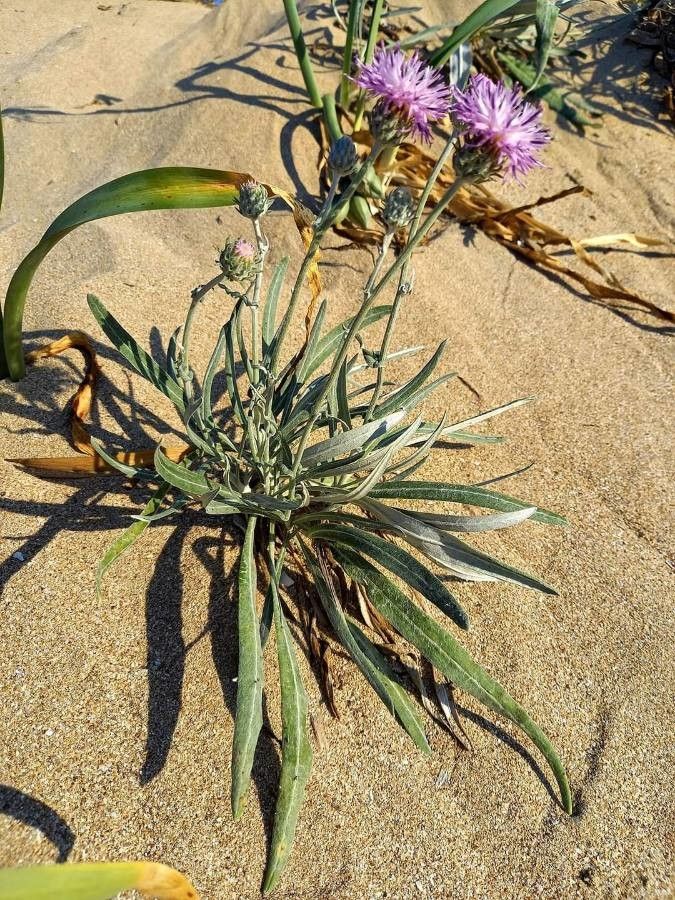
Jurinea albicaulis, with its charming white-stemmed blooms and intriguing spidery seedheads, is a unique addition to any garden that appreciates understated beauty. But if you’re hoping to expand its presence in your landscape, you might be wondering: how exactly do you propagate this captivating plant? Don’t worry, you’ve come to the right place! This guide will demystify the process and provide you with all the knowledge you need to cultivate new Jurinea albicaulis successfully.
Two Paths to Propagation
Like many plant species, Jurinea albicaulis can be propagated through two primary methods: seed sowing and basal cuttings. Each approach has its pros and cons, and the best choice for you depends on your individual preferences and resources.
1. Seed Sowing: A Journey of Patience and Reward
Propagating Jurinea albicaulis from seed is a rewarding experience that connects you directly to the plant’s life cycle. However, it’s a longer process requiring patience and careful observation. Here’s a step-by-step guide:
- Seed Collection: Harvest mature seeds from dried flower heads in the late summer or early fall. Look for plump, dark seeds that are easily detached.
- Stratification: Jurinea albicaulis seeds benefit from cold stratification, which mimics natural winter conditions. Store seeds in a moist paper towel inside a sealed plastic bag in your refrigerator (around 40°F) for 4-6 weeks.
- Sowing: Sow seeds in a well-draining seed starting mix. Lightly press them into the surface and cover them with a thin layer of vermiculite or fine sand.
- Watering: Water gently from the bottom or mist the soil surface regularly, ensuring consistent moisture without waterlogging.
- Light: Place the seed tray in a brightly lit location but out of direct sunlight.
- Germination: Be patient! Germination can be erratic and may take several weeks or even months.
- Transplanting: Once seedlings have developed a few sets of true leaves, carefully transplant them into individual pots with well-draining soil.
2. Basal Cuttings: A Faster Path to New Plants
If you’re looking for a quicker method with potentially faster results, propagating Jurinea albicaulis from basal cuttings is a viable alternative. Follow these steps for success:
- Timing: Take cuttings in the spring when the plant is actively growing.
- Selection: Choose healthy, non-flowering stems at the base of the plant.
- Cutting: Using a clean, sharp knife or pair of shears, cut a 3-4 inch section of stem just above a leaf node.
- Preparation: Remove the lower leaves from the cutting, leaving 2-3 leaves at the top.
- Rooting Hormone (Optional): While not strictly necessary, dipping the cut end in rooting hormone can encourage faster root development.
- Planting: Plant the cutting in a pot filled with a well-draining, sterile potting mix. Bury the bottom node, where the leaves were removed.
- Humidity: Cover the pot with a clear plastic bag or use a humidity dome to create a warm, moist environment.
- Watering: Keep the potting mix consistently moist but not soggy.
- Rooting: Roots should develop within 4-6 weeks. Once new growth appears, you can carefully transplant your rooted cutting into a larger pot or your garden.
Nurturing Your Jurinea albicaulis
Jurinea albicaulis thrives in sunny locations with well-drained soil and good air circulation. Water it regularly during its first growing season to establish a robust root system, and then enjoy its drought-tolerant nature once established.
Whether you choose the journey of seed sowing or the efficiency of basal cuttings, propagating your Jurinea albicaulis is a fulfilling experience that allows you to multiply these beautiful blooms in your garden. With patience, care, and the right knowledge, you’ll be rewarded with thriving plants that bring unique beauty and intrigue to your outdoor haven.