
Multiply Your Joy: Easy Propagation Techniques for the Striking Justicia Capensis
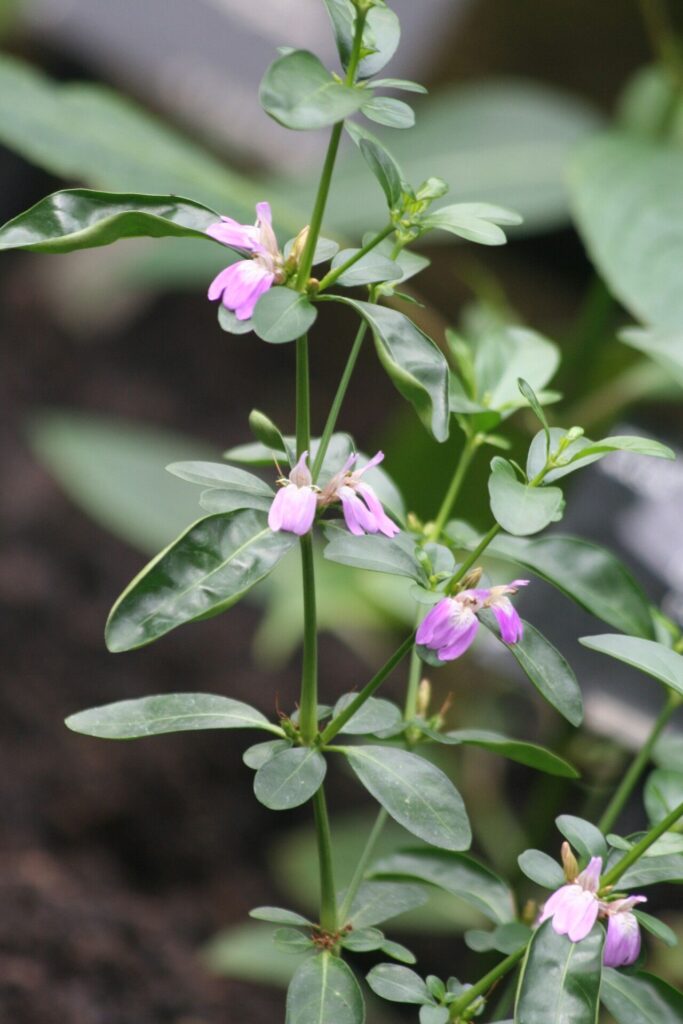
The Justicia capensis, more affectionately known as the Honey Bush or Firecracker Plant, is a captivating addition to any garden. With its vibrant orange flowers erupting against glossy green foliage, this South African native is a surefire way to attract pollinators and bring a burst of color to your outdoor space. But did you know that you can easily create more of these botanical beauties? Propagating Justicia capensis is surprisingly straightforward and a rewarding way to expand your collection or share the joy with fellow plant lovers.
Understanding the Options:
While Justicia capensis can be grown from seed, cuttings are the preferred method for a few key reasons:
- Faster Results: Cuttings develop into mature plants much faster than those grown from seed, often flowering within the same year.
- Replica Plants: Cuttings are essentially clones of the parent plant, guaranteeing you an identical bloom color and growth habit.
- Year-Round Potential: While seeds require specific timing, cuttings can often be taken throughout the growing season.
The Cutting Edge: A Step-by-Step Guide
1. Timing is Key:
The ideal time for taking cuttings is during the active growing season, typically spring or early summer. Look for healthy, non-flowering stems that are about 4-6 inches long.
2. Gather your Tools:
You’ll need:
- Sharp, clean pruning shears or scissors
- A small pot or seed tray
- Well-draining potting mix
- Rooting hormone (optional but recommended)
3. Make the Cut:
Using your sharp shears, make a clean cut just below a leaf node (the point where a leaf emerges from the stem). Remove any leaves from the bottom inch or two of the cutting.
4. Hormone Boost (Optional):
Dipping the cut end in rooting hormone can speed up the process and increase the success rate.
5. Plant Your Cutting:
Insert the cutting into the prepared potting mix, burying the bottom node. Gently firm the soil around the cutting.
6. Creating a Humid Environment:
Cover the pot with a plastic bag or humidity dome to create a warm, moist environment crucial for root development.
7. Patience is a Virtue:
Place the pot in a bright spot, out of direct sunlight. Keep the soil consistently moist but not waterlogged. Roots should start forming within a few weeks. You can test for root development by gently tugging on the cutting. Resistance indicates roots have formed.
8. Transplanting Success:
Once a strong root system has developed (usually within 6-8 weeks), you can transplant your rooted cutting into a larger pot or your garden bed.
Caring for Your New Additions:
Justicia capensis prefers well-drained soil and a sunny to partially shaded location. Water regularly, allowing the soil to dry slightly between waterings. Regular pinching back of stems will encourage bushier growth and more abundant blooms.
Propagation is a rewarding way to connect with your plants on a deeper level. With these simple techniques, you’ll soon have a flourishing family of Justicia capensis, bringing joy and vibrant color to your surroundings for years to come!