
Unlocking the Secrets of Keteleeria Fortunei Propagation: A Guide for Every Gardener
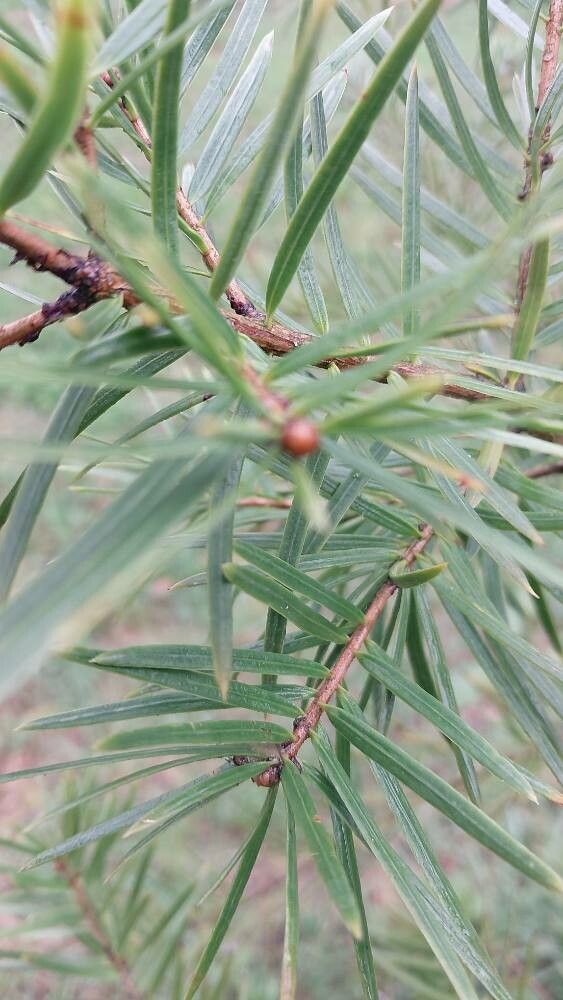
Keteleeria fortunei, also known as the Fortune’s Fir, is a majestic evergreen conifer prized for its elegant pyramidal form, bluish-green needles, and distinctive, attractive cones. Native to the mountainous regions of China, this impressive tree can reach towering heights, adding a touch of grandeur to any landscape.
While admiring mature Keteleeria fortunei in arboretums or gardens is a treat, have you ever considered growing your own? While propagating this conifer requires a bit of patience and finesse, it’s a rewarding endeavor for dedicated gardeners.
Two Paths to Propagation:
1. Seed Propagation: A Journey of Patience and Reward
Growing Keteleeria fortunei from seed is the most common method, but be prepared for a long-term commitment. Here’s how to do it:
- Seed Collection & Stratification: Collect mature cones in autumn and allow them to dry thoroughly. Extract the seeds and place them in a moist paper towel within a sealed plastic bag. Store this bag in the refrigerator (around 4°C or 39°F) for 4-8 weeks to mimic winter conditions – a process called stratification which encourages germination.
- Sowing the Seeds: In early spring, sow the stratified seeds in a well-draining seed-starting mix. Lightly cover the seeds with the mix and keep the soil consistently moist but not waterlogged.
- Nurturing the Seedlings: Patience is key! Germination can take several weeks to months. Provide the seedlings with bright, indirect light and maintain a cool, humid environment. Transplant the seedlings into individual pots once they are large enough to handle, and gradually acclimate them to outdoor conditions before planting in their permanent location.
2. Semi-Hardwood Cuttings: A Quicker Route with its Own Challenges
Propagating Keteleeria fortunei from cuttings offers a faster option but requires careful timing and technique:
- Timing is Key: Take semi-hardwood cuttings (cuttings from current year’s growth that have started to harden) in late summer or early fall.
- Selecting the Right Cuttings: Choose healthy, vigorous shoots from the current year’s growth. Make a clean cut just below a node (where the leaves are attached) with a sharp, sterilized knife or pruning shears.
- Preparing the Cuttings: Remove the lower needles, leaving only a few at the tip. Wound the base of the cutting slightly by making a small cut or scrape to expose the cambium layer (the layer of actively growing cells).
- Hormones for a Helping Hand: Dip the wounded end in a rooting hormone powder or liquid to encourage root development.
- Creating the Right Environment: Plant the cuttings in a well-draining potting mix specially formulated for cuttings. Keep the cuttings moist and provide them with bright, indirect light. Using a humidity dome or covering the pot with a plastic bag can help maintain optimal moisture levels.
- Transplanting: Root development can take several weeks. Once roots have formed, carefully transplant the cuttings into individual pots and continue caring for them until they are strong enough to be planted in their permanent location.
Tips for Success:
- Patience is Paramount: Keteleeria fortunei is a slow-growing tree. It can take several years for a seedling or cutting to reach a significant size.
- Well-Draining Soil is Crucial: This species is susceptible to root rot, so ensure excellent drainage in both the starting mix and the permanent planting location.
- Protection from Extremes: Provide young trees with shelter from strong winds and scorching sun, especially during the first few years.
Growing your own Keteleeria fortunei is a labor of love, but watching this magnificent tree thrive in your own backyard makes the effort worthwhile. Whether you choose the route of seed or cuttings, each successful step brings you closer to enjoying the timeless beauty of this remarkable conifer.