
Propagating Klasea algarbiensis: A Gardener’s Guide to a Rare Delight
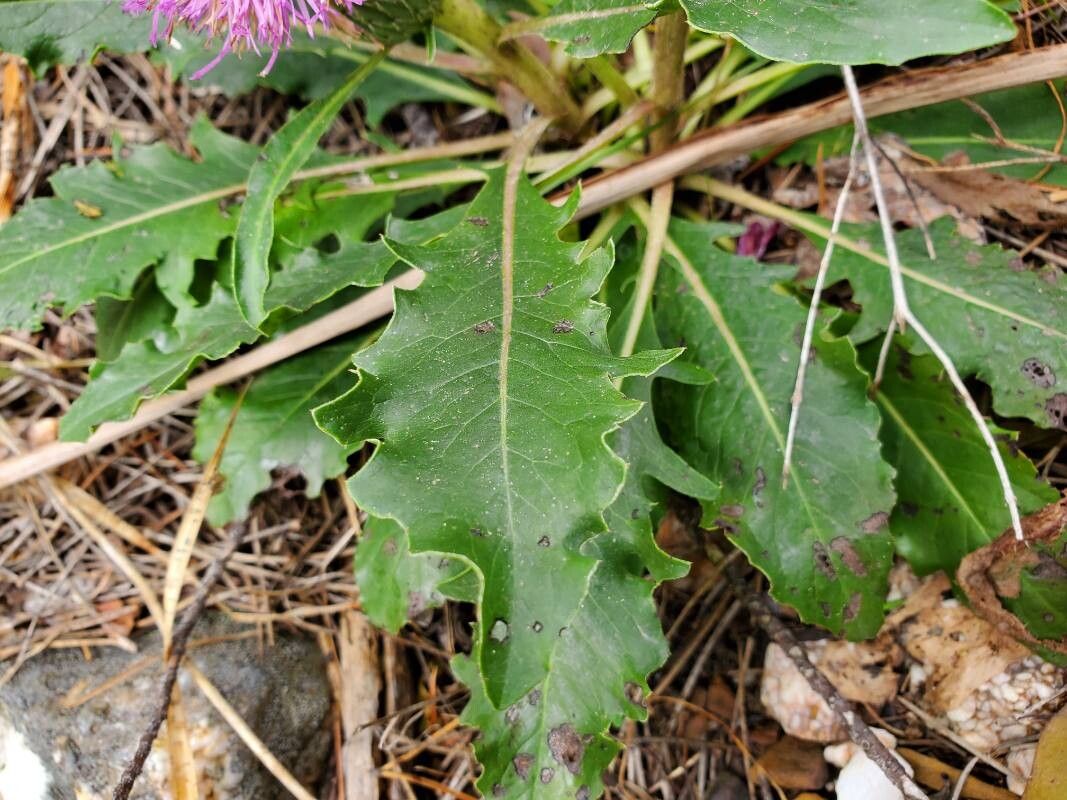
Klasea algarbiensis, also known as Algarve thistle, is a striking and rare plant endemic to the Algarve region of southern Portugal. Characterized by its spiky, silvery leaves and vibrant purple flowers, this thistle holds a special place in the hearts of plant enthusiasts. Its unique beauty and challenging cultivation make successful propagation a rewarding endeavor, albeit one that requires patience and attention to detail. Its limited distribution and specialized habitat contribute to its popularity amongst gardeners seeking unique and challenging additions to their collections.
Seed Germination:
Currently, there are no known reliable methods for seed germination propagation of Klasea algarbiensis. While the plant does produce seeds, germination rates have proven extremely low, even under optimal laboratory conditions. Further research is needed to determine if specific pre-treatment methods (such as stratification or scarification) could improve germination success. The lack of readily available seeds also presents a significant hurdle.
Cuttings:
Propagating Klasea algarbiensis from cuttings offers a more promising approach than seed germination.
- Challenges: The success rate depends significantly on the timing (ideally taking cuttings from new, healthy growth in spring or early summer) and the use of rooting hormone. The cuttings are also susceptible to rotting if not kept in a well-ventilated, humid environment.
- Practical Tips: Take semi-hardwood cuttings, approximately 10-15cm long, removing lower leaves to prevent rotting. Dip the cut ends in rooting hormone and plant in a well-draining mix, such as perlite and vermiculite. Maintain high humidity using a propagator or by covering the cuttings with a plastic bag (ensure good ventilation). Keep the cuttings moist but not waterlogged.
- Rewards: Cuttings offer a relatively quick method to produce new plants, preserving the genetic characteristics of the mother plant.
Division:
Division of established Klasea algarbiensis plants presents another possibility, though it is infrequently practiced due to the rarity and often solitary growth habit of this species.
- Challenges: The plant’s root system may be delicate and susceptible to damage during division. Successful division requires careful handling and a well-established, healthy mother plant. The success rates are generally low.
- Practical Tips: Division should only be attempted on mature plants after flowering. Dig up the plant carefully, ensuring minimal root disruption. Divide the root system into sections, each containing healthy roots and shoots. Replant immediately, using a well-draining soil mix.
- Rewards: This method can contribute to increasing the number of plants, provided the plant is large enough and is treated delicately.
Tissue Culture:
Tissue culture offers a potential, albeit advanced, method for large-scale propagation of Klasea algarbiensis.
- Challenges: This method requires specialized equipment, sterile conditions, and expertise in plant tissue culture techniques. Developing a successful protocol for Klasea algarbiensis would require experimentation and research. The cost associated with equipment and expertise could be high.
- Practical Tips: This approach would involve establishing aseptic cultures from plant tissues (e.g., shoot tips or leaf segments), followed by multiplication and rooting in a controlled environment.
- Rewards: Tissue culture offers the potential for mass propagation, allowing for efficient and rapid production of numerous genetically identical plants. It could also be used to conserve genetic diversity and ensure the long-term survival of this rare species.
Conclusion:
Propagating Klasea algarbiensis presents a variety of challenges, primarily attributable to its rarity and specialized needs. While seed germination remains unreliable, cuttings offer a relatively more accessible, albeit not always successful, technique for propagation. Division is limited by the plant’s growth habit, and tissue culture, although promising for mass production, requires specialized knowledge and facilities. The rewards, however, are significant: the cultivation of this unique plant brings immense satisfaction, a testament to the gardener’s perseverance and dedication. Whether choosing the careful nurturing of cuttings or embarking on the complexities of tissue culture, the journey to successfully propagating Klasea algarbiensis is a testament to the power of passion and patience in the horticultural world. For aspiring propagators, we encourage persistence and thorough research; every successful propagation contributes to securing the future of this remarkable plant.
