
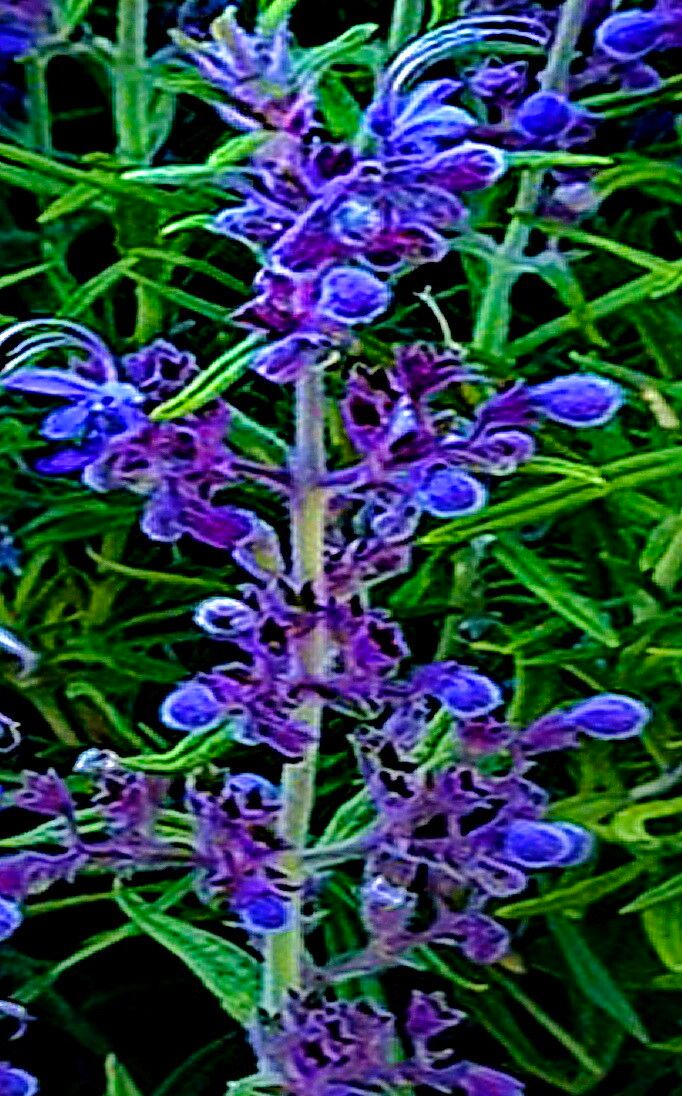
Propagating Parish’s Bluecurls (Trichostema parishii): A Gardener’s Challenge
Introduction
Trichostema parishii, commonly known as Parish’s bluecurls, is a captivating California native plant prized for its vibrant blue flowers and unique, curled stamens. Its striking appearance makes it a sought-after addition to drought-tolerant gardens and native plant landscapes. However, its propagation presents unique challenges, making successful cultivation a rewarding endeavor for the dedicated gardener. Its relatively restricted range and specific habitat requirements contribute to its appeal and the complexities of its propagation.
Seed Germination:
Currently, there are no known reliable methods for seed germination propagation of Trichostema parishii. While seeds may be produced, they appear to have a very low germination rate, and successful germination has not been consistently replicated under various conditions. Further research is needed to determine if specific stratification techniques or other treatments could improve germination success.
Cuttings:
Cuttings offer a more promising method for propagating Trichoshoma parishii.
Challenges: Rooting success can be variable and depends heavily on timing and technique. Taking cuttings during the active growing season (spring or early summer) is crucial. The use of rooting hormone is highly recommended.
Practical Tips: Take semi-hardwood cuttings, approximately 4-6 inches long, from the non-flowering stems. Remove lower leaves to prevent rot. Dip the cut ends in rooting hormone and plant in a well-draining rooting medium (e.g., a mix of perlite and peat moss). Maintain high humidity (using a plastic bag or humidity dome) and consistent moisture, but avoid overwatering. A bottom heat mat can also improve rooting success.
Rewards: Cuttings offer a reliable method for creating genetically identical copies of a desirable mother plant, preserving its unique characteristics. This method is relatively straightforward compared to other propagation methods.
Division:
Division is a viable method for propagating established Trichostema parishii plants.
Challenges: This method is only suitable for mature plants with well-established root systems. Care must be taken to avoid damaging the roots during division, which can severely stress the plant and reduce survival rates.
Practical Tips: Divide the plant in spring or early fall, when the plant is actively growing or beginning its dormant period. Ensure each division has a healthy portion of roots and stems. Plant the divisions immediately in well-drained soil, providing adequate watering and protection from direct sunlight until they are established.
Rewards: Division allows for the rapid increase in the number of plants and is a relatively low-tech and cost-effective method.
Tissue Culture:
Tissue culture is a potentially viable but complex method for propagating Trichostema parishii.
Challenges: This method requires specialized equipment, sterile conditions, and expertise in plant tissue culture techniques. Establishing appropriate culture media and protocols for Trichostema parishii would require significant research and experimentation.
Practical Tips: This is not a beginner’s method and is best left to experienced tissue culture laboratories. Success will depend on careful selection of explant material, appropriate media composition, and maintaining aseptic conditions.
Rewards: Tissue culture offers the potential for large-scale propagation, the creation of disease-free plants, and the preservation of rare or endangered genotypes.
Conclusion:
Propagating Trichostema parishii presents unique challenges across all methods. While seed germination currently seems impractical, cuttings and division offer achievable avenues for successful propagation for most gardeners. Tissue culture presents a more advanced option with significant potential but requires specialized expertise. The rewards, however, make the effort worthwhile. Successfully cultivating this beautiful native plant, despite the hurdles, offers a unique sense of accomplishment and satisfaction, reminding us of the inherent challenges and ultimate rewards of working with nature. For aspiring propagators, patience, persistence, and meticulous attention to detail are key to success. Don’t be discouraged by initial setbacks; continue to learn and experiment, and the beauty of Parish’s bluecurls will reward your dedication.