
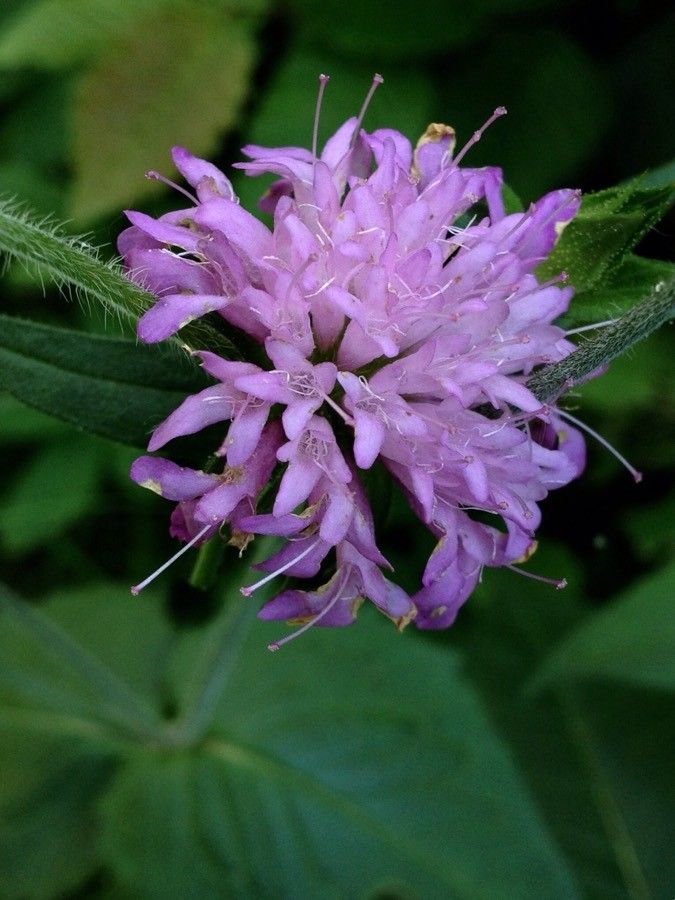
From One to Many: Propagating the Stunning Knautia dipsacifolia
Knautia dipsacifolia, with its vibrant blooms and delicate, airy foliage, is a beloved addition to any garden. This hardy perennial, often called “Knautia macedonica” or “Scabiosa,” not only adds a dash of color but attracts beneficial pollinators like bees and butterflies. But what if you want to create a whole field of these beautiful plants? That’s where propagation comes in, and it’s easier than you might think!
Seeds: The Simple Start
The most common and straightforward way to propagate Knautia dipsacifolia is through seed. This method, while requiring patience, allows you to enjoy a large number of new plants at a relatively low cost.
- Direct Sowing: In warmer regions, you can directly sow seeds outdoors in spring after the last frost. Prepare the soil, sprinkle seeds on the surface, lightly cover them, and water generously.
- Starting Indoors: For a head start or in cooler regions, sow seeds indoors 6-8 weeks before the last frost. Use seed trays or pots filled with seed-starting mix. Place the tray in a bright, warm location, and keep the soil consistently moist. Once seedlings have a few true leaves, you can transplant them outdoors.
Division: Quick and Easy Multiplication
Division is a quick and easy method for rapidly multiplying existing Knautia plants. This method involves separating the plant into individual sections, each with its own roots and shoots, and planting them separately.
- Best Time: The best time to divide Knautia dipsacifolia is in spring or early fall.
- Procedure: Carefully dig up the mature plant and gently separate the clump into individual sections. Each division should have a healthy root system and several stems. Replant the divisions in fresh soil, ensuring adequate space for their growth.
Cuttings: A Less Common Approach
Propagation by cuttings is less common for Knautia dipsacifolia compared to seeds or division. However, it can be a viable option for specific varieties or individual plants you want to preserve.
- Softwood Cuttings: This method involves taking cuttings from new, soft growth in spring or early summer. Cuttings should be about 4-6 inches long, with several leaf nodes.
- Rooting Medium: Use a well-draining potting mix or a mixture of peat moss and perlite.
- Hormone: Applying a rooting hormone powder or gel can increase the success rate.
- Care: Keep the cuttings in a bright, humid environment with indirect sunlight. Mist them regularly to maintain moisture levels.
Tips for Success:
- Location is Key: Choose a sunny spot with well-drained soil for your Knautia plants.
- Water Wisely: Knautia dipsacifolia prefers consistent moisture but can tolerate some drought. Water deeply when the soil feels dry.
- Fertilize Regularly: Feed your plants with a balanced liquid fertilizer every few weeks during the growing season.
- Deadheading: Deadheading spent blooms encourages new flower production and promotes bushier growth.
Enjoy Your Knautia Abundance:
With a little effort and the right techniques, propagating Knautia dipsacifolia is a fulfilling experience. Enjoy the satisfaction of creating a flourishing garden full of these captivating flowers, attracting pollinators and adding vibrant color to your landscape.