
Propagating Kniphofia ensifolia: A Gardener’s Guide to the Red Hot Poker
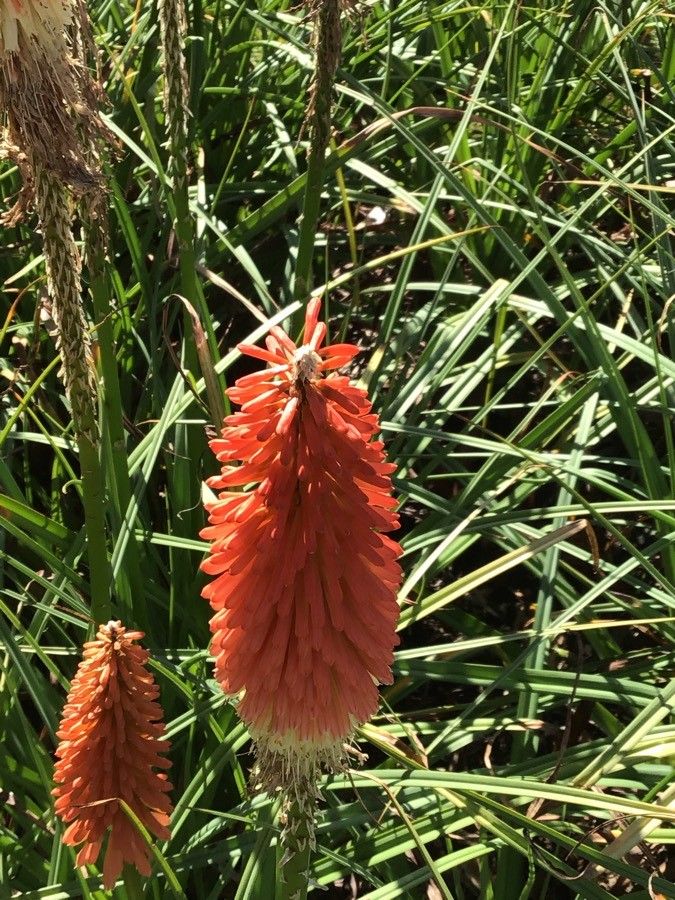
Kniphofia ensifolia, commonly known as the red hot poker (though this common name is shared across many Kniphofia species), is a striking succulent perennial prized for its vibrant, upright flower spikes. These fiery blooms, ranging in color from fiery orange and yellow to deep red, attract pollinators and add a dramatic focal point to any garden. Its sword-like leaves further contribute to its architectural beauty, making it a popular choice amongst gardeners. However, its propagation can present some unique challenges.
Seed Germination:
Currently, there are no known reliable methods for seed germination propagation of Kniphofia ensifolia. While the plant does produce seeds, germination rates are notoriously low, and even under ideal conditions, success is unpredictable. The dormancy mechanisms are poorly understood, and factors like temperature and light requirements for successful germination remain inadequately researched. Therefore, seed propagation is not a practical method for this species.
Cuttings:
Propagating Kniphofia ensifolia via cuttings is a more reliable method than seed germination.
Challenges: Rooting success can be variable, dependent on factors such as the age and health of the parent plant, the time of year, and the cutting technique used. Proper sanitation to prevent rot is crucial.
Tips: Semi-hardwood cuttings taken in late spring or early summer typically show the best rooting success. Cuttings should be approximately 4-6 inches long, with the lower leaves removed to prevent rot. Dip the cut ends in a rooting hormone powder before planting in a well-draining, moist propagation mix. High humidity and bright, indirect light are beneficial. Propagation under mist or in a humidity dome can significantly increase success rates.
Rewards: Cuttings offer a relatively quick method of producing genetically identical plants to the mother plant, preserving desirable traits.
Division:
Division is a straightforward and highly effective method for propagating Kniphofia ensifolia.
Challenges: The process is best undertaken in spring or autumn when the plant is actively growing but not under extreme heat stress. Care must be taken to avoid damaging the roots during the division process. Each division ideally requires a substantial root system to ensure successful establishment.
Tips: Carefully dig up the mature clump and gently separate it into smaller clumps, ensuring each division has healthy roots and several growing points. Replant the divisions immediately, ensuring they are watered well but not overwatered.
Rewards: Division produces multiple plants quickly, ideal for large-scale propagation or for sharing with fellow gardeners. It is also a relatively low-skill method offering high success rates.
Tissue Culture:
Tissue culture offers a potentially high-yield method for propagating Kniphofia ensifolia, but it requires specialized equipment and expertise.
Challenges: This method is expensive and requires a sterile laboratory environment and specialized knowledge of plant tissue culture techniques. Establishing aseptic conditions and overcoming potential contamination issues are major hurdles.
Tips: Sterile techniques are paramount. Appropriate media and growth regulators are crucial for successful shoot multiplication and rooting.
Rewards: Tissue culture allows for rapid multiplication of desirable genotypes and can produce a large number of disease-free plants in a short time. It is the most efficient method, although it has a higher initial investment cost.
Conclusion:
While seed propagation is impractical for Kniphofia ensifolia, cuttings and division offer reliable and accessible methods for home gardeners. Tissue culture offers a high-yield, albeit more technically demanding, alternative. Successfully propagating this striking plant, regardless of the method chosen, offers a unique sense of accomplishment. The challenges involved—whether avoiding rot in cuttings, handling delicate roots during division, or mastering sterile techniques in tissue culture—add to the satisfaction of witnessing these fiery blooms emerge from your own propagation efforts. So, gather your supplies, choose your preferred method, and embark on the rewarding journey of cultivating your own Kniphofia ensifolia – the results will be well worth the effort.