
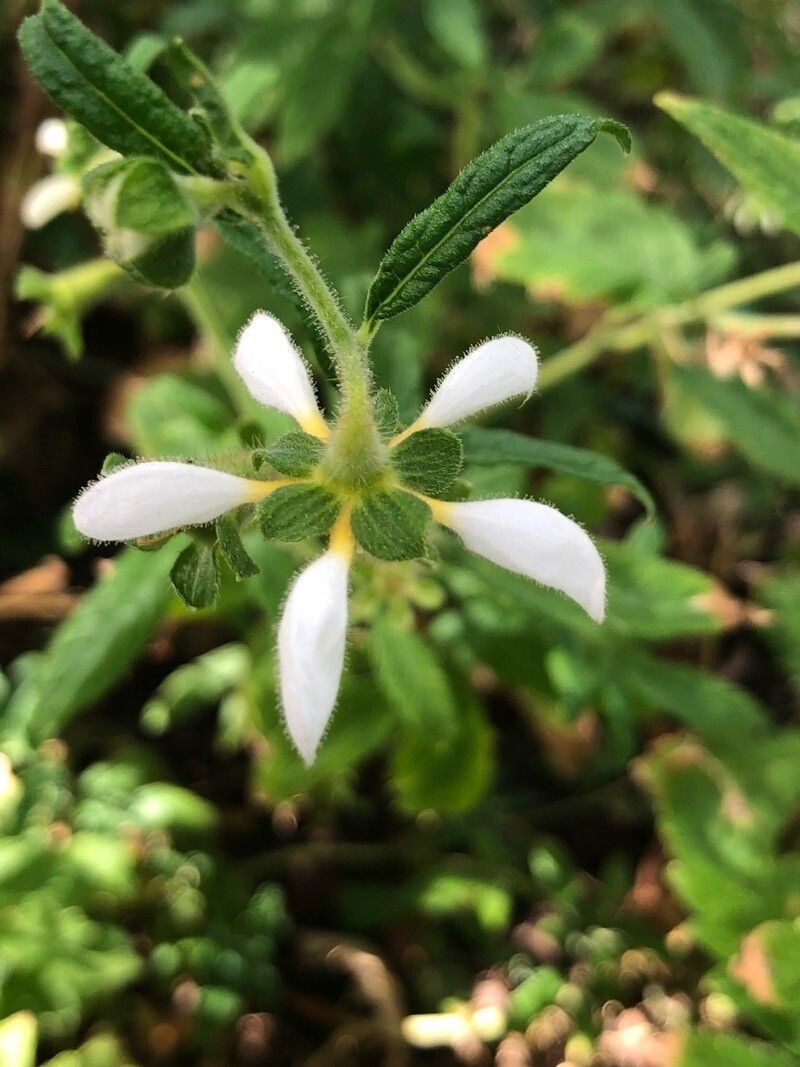
Propagating Blumenbachia hieronymi: A Gardener’s Guide to the Chilean Lantern Flower
Introduction:
Blumenbachia hieronymi, also known as the Chilean Lantern Flower, is a captivating annual or short-lived perennial boasting delicate, lantern-shaped flowers in shades of white, pink, and purple. Its charming, sprawling habit and relatively low maintenance requirements have earned it a place in the hearts of many gardeners. Unlike some plants easily propagated, Blumenbachia hieronymi presents unique challenges, making its successful propagation a rewarding experience for the dedicated cultivator. Its relative rarity in cultivation also adds to its allure, and understanding propagation techniques will allow for wider enjoyment of this unique species.
Seed Germination:
Seed germination for Blumenbachia hieronymi is viable, though it can be challenging. The primary hurdle lies in the seed’s relatively low germination rate and the sensitivity of seedlings to fungal diseases.
Challenges: Low germination rate, susceptibility to damping-off (a fungal disease affecting seedlings).
Tips: Sow seeds thinly in a well-draining seed-starting mix, ideally in individual pots to avoid overcrowding and fungal spread. Maintain consistent moisture but avoid overwatering, which could lead to damping-off. A warm (20-24°C) and bright location, but not direct sunlight, is ideal. While stratification (cold treatment) isn’t strictly necessary, it may improve germination rates for some batches of seeds. Consider using a fungicide preventative early in the process.
Rewards: High genetic diversity among seedlings, potential for large-scale propagation if germination is successful, and the satisfaction of growing the plant from seed.
Cuttings:
Propagating Blumenbachia hieronymi from cuttings is a more reliable method than seed germination.
Challenges: Cuttings can be slow to root and may be prone to rotting if not kept in consistently humid conditions with adequate airflow.
Tips: Take semi-hardwood cuttings (partially mature stems) in spring or summer. Remove lower leaves to prevent rotting and dip the cut ends in rooting hormone before planting in a moist, well-draining propagating mix. Cover the cuttings with a humidity dome or plastic bag to maintain high humidity, ensuring good ventilation to prevent fungal growth. Bottom heat can aid rooting. Patience is key; rooting can take several weeks.
Rewards: Higher success rate compared to seed germination, quicker propagation of desirable cultivars compared to seed.
Division:
Division is generally not a practical method for propagating Blumenbachia hieronymi. Its relatively shallow root system and delicate nature make it difficult to divide without causing significant damage to the plant.
Tissue Culture:
Currently, there are no widely published or readily available protocols for tissue culture propagation of Blumenbachia hieronymi. This method, while potentially offering the highest success rate and large-scale production, remains unexplored for this specific plant.
Conclusion:
Propagating Blumenbachia hieronymi presents unique challenges, with cuttings offering a more reliable method than seed germination. While seed propagation holds the potential for greater genetic diversity, its lower success rate demands patience and attention to detail. The absence of established tissue culture protocols limits large-scale propagation for now. Despite the difficulties, the unique beauty of the Chilean Lantern Flower and the satisfaction of successfully cultivating it from seed or cuttings makes the effort worthwhile. For aspiring propagators, patience, attention to hygiene (to prevent fungal disease), and a keen eye for detail are crucial for success. Embrace the challenge, and the reward of flourishing Blumenbachia hieronymi plants will make the effort truly worthwhile.