
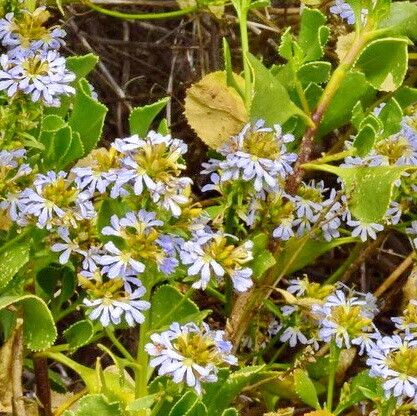
Propagating the Fan Flower: A Guide to Cultivating Scaevola crassifolia
Scaevola crassifolia, commonly known as the fan flower or coastal fan flower, is a captivating succulent shrub prized for its vibrant, fan-shaped flowers and tolerance of harsh coastal conditions. Its cascading habit and profuse blooming make it a popular choice for hanging baskets, rock gardens, and coastal landscaping. However, its propagation presents unique challenges and rewards for the dedicated gardener. This article explores various methods, highlighting both the difficulties and the satisfaction of successfully cultivating this desirable plant.
Seed Germination:
Currently, there are no known reliable methods for seed germination propagation of Scaevola crassifolia. While the plant does produce seeds, germination rates are extremely low, and successful emergence into viable seedlings is exceptionally difficult under typical horticultural conditions. Further research into specific germination requirements, such as specific temperature and light conditions, and perhaps hormonal treatments, might be needed to unlock the potential of seed propagation for this species.
Cuttings:
Cuttings offer a significantly more reliable method for propagating Scaevola crassifolia.
Challenges: The success rate can vary depending on the timing and technique used. Older, woody cuttings are less likely to root.
Practical Tips: Semi-hardwood cuttings taken in spring or summer are ideal. Cuttings should be approximately 4-6 inches long, with the lower leaves removed to prevent rotting. Dip the cut ends in rooting hormone before planting in a well-draining, moist propagation mix (e.g., a mix of perlite and vermiculite). Maintain high humidity (using a humidity dome or plastic bag) and warmth (around 70-75°F) to encourage root development. Mist regularly to keep the cuttings moist but not waterlogged. Rooting typically takes several weeks.
Rewards: High success rate compared to seed propagation; allows for rapid multiplication of desirable cultivars.
Division:
Division of established Scaevola crassifolia plants is a straightforward and effective propagation method.
Challenges: This method is only feasible for mature, well-established plants. Dividing too frequently can stress the plant.
Practical Tips: This is best done in spring or early autumn. Carefully dig up the plant and gently separate the crowns into smaller sections, ensuring each division has sufficient roots and foliage. Replant the divisions immediately into well-drained soil and water thoroughly.
Rewards: Quick establishment of new plants; preserves the genetic characteristics of the mother plant.
Tissue Culture:
Tissue culture offers the potential for large-scale propagation of Scaevola crassifolia, particularly for commercial purposes.
Challenges: Requires specialized equipment, laboratory facilities, and expertise in sterile techniques. It is a more expensive and technically complex method compared to cuttings or division.
Practical Tips: This method involves establishing sterile cultures from small plant segments on nutrient-rich media. Precise control of environmental factors (light, temperature, humidity) is crucial.
Rewards: Allows for rapid multiplication of plants, disease-free propagation, and the preservation of rare or desirable cultivars.
Conclusion:
Propagating Scaevola crassifolia presents a unique blend of challenges and rewards. While seed germination remains unreliable, cuttings and division provide accessible methods for the home gardener. Tissue culture offers a commercial-scale solution, though it requires significant expertise and resources. The satisfaction of nurturing a cutting into a thriving fan flower, overcoming the potential hurdles, is deeply rewarding. For aspiring propagators, patience, attention to detail, and a willingness to experiment will pave the way to success in cultivating this beautiful and resilient coastal plant. Don’t be discouraged by initial setbacks; persistent effort will ultimately yield the beautiful blooms of Scaevola crassifolia.