
Unlocking the Secrets of Koeleria caudata Propagation: From Seed to Success
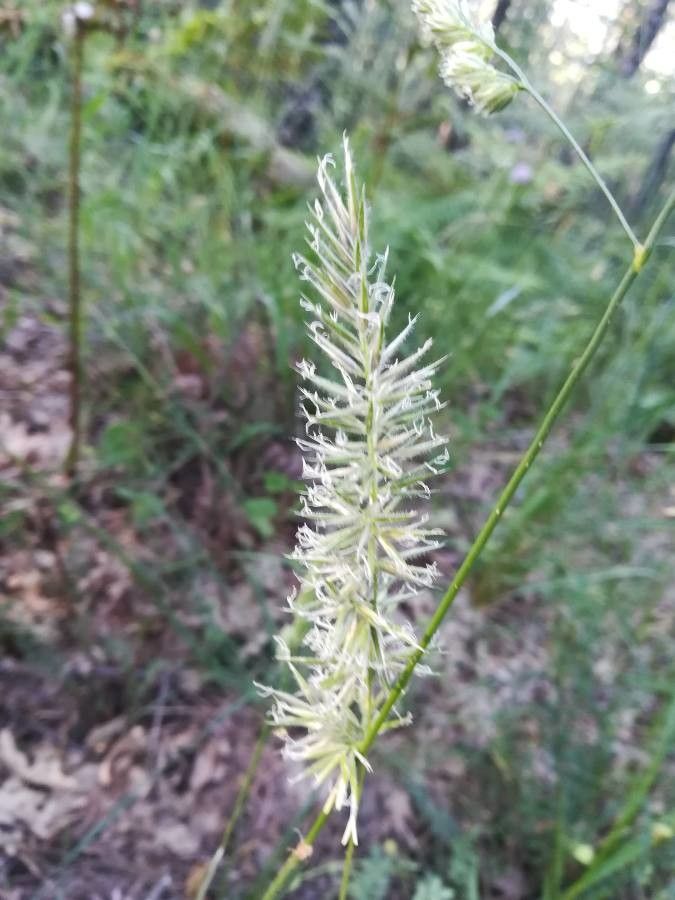
Koeleria caudata, the graceful and delicate “hairy-tailed meadow grass,” adds a touch of natural beauty to any garden. But how do you get more of this captivating grass? Propagation is the key! This article will guide you through the fascinating world of propagating Koeleria caudata, demystifying the process and helping you achieve flourishing new plants.
Two Primary Paths to Propagation:
Koeleria caudata, like many grasses, offers two primary methods of propagation:
- Seed Propagation: This method mimics nature’s cycle. It is relatively simple and can be cost-effective, especially if you are looking to grow a large number of plants.
- Division: This technique involves separating established plants into smaller divisions, each with its own root system. It’s a faster way to get new plants but requires a bit more effort.
Seed Propagation: A Journey from Seed to Sprout
-
Timing is Key: The ideal time for sowing Koeleria caudata seeds is in early spring or late summer. These seasons offer favorable temperatures and moisture levels for germination.
-
Sowing the Seed: Choose a well-drained soil mix, ideally a mix of potting soil and sand. Sow the seeds thinly on the surface, and lightly cover them with soil. The seeds require light for germination, so don’t bury them too deep.
-
Moisture and Light: Keep the soil consistently moist but avoid overwatering. Cover the seed tray with a plastic dome or wrap to maintain humidity. Place the container in a bright, warm location with indirect light.
-
Germination: Koeleria caudata seeds typically take 1-2 weeks to germinate. Once the seedlings emerge, remove the plastic cover and ensure they receive adequate sunlight.
- Thinning and Transplanting: Once the seedlings have developed a few true leaves, thin them to provide space for healthy growth. Once the seedlings are a few inches tall, they can be transplanted to their permanent location in the garden.
Division: A Faster Path to Plant Expansion
-
Choosing the Right Time: The best time for dividing Koeleria caudata is in early spring or late summer. The plant should be actively growing during this period.
-
Preparing for Division: Carefully dig around the plant, ensuring you don’t damage the root system. Gently lift the plant from the ground.
-
Dividing the Clump: Using a sharp knife or spade, divide the clump into smaller sections, each containing a healthy root system and several shoots.
- Replanting the Divisions: Plant the divisions in fresh, well-drained soil, ensuring the crown of the plant is just above the soil level. Water them thoroughly to help them establish.
Nurturing Your New Koeleria caudata Plants:
No matter your propagation method, Koeleria caudata requires a few essential care requirements to thrive:
- Sunlight and Water: This grass prefers full sun to partial shade and well-draining soil. Water regularly, especially during dry periods.
- Fertilization: A light application of balanced fertilizer in spring can encourage healthy growth.
- Deadheading: Regularly remove any spent flower heads to promote new growth and a tidy appearance.
Conclusion:
Propagating Koeleria caudata is a rewarding experience that allows you to expand your garden with this captivating grass. Whether you choose the classic method of seed propagation or the time-saving technique of division, adhering to the steps outlined will give you the best chance at success. Enjoy the beauty and tranquility this elegant grass brings to your landscape for years to come!