
From Seed to Bloom: Your Guide to Propagating Kosteletzkya pentacarpos
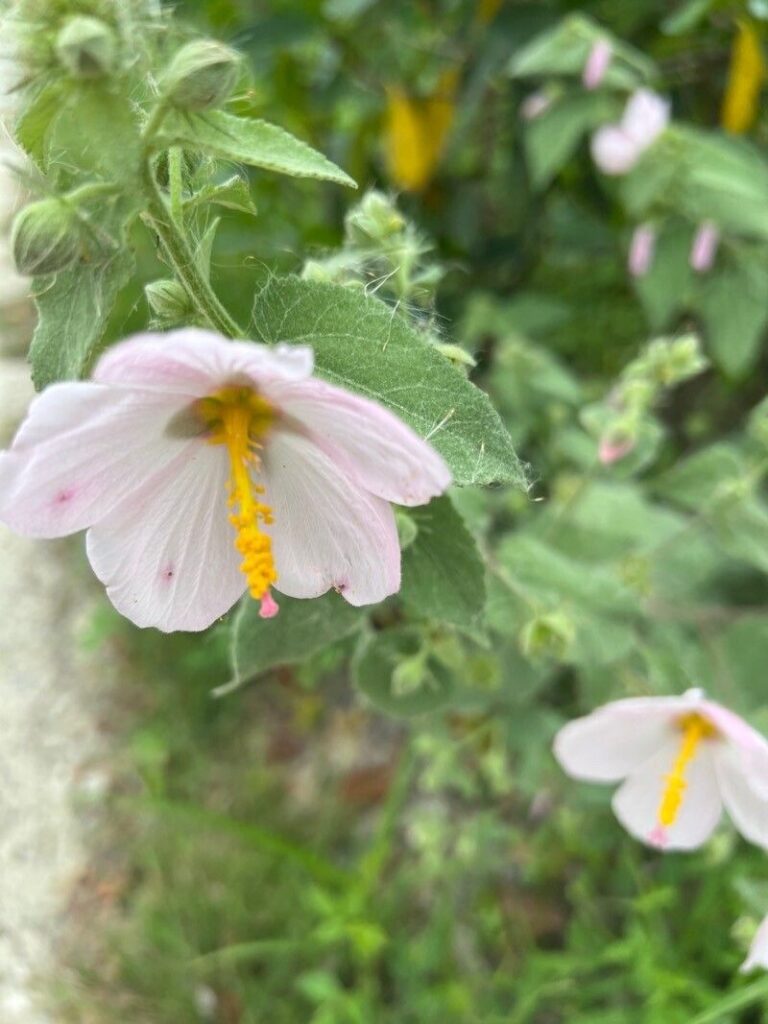
The Kosteletzkya pentacarpos, commonly known as Sea Hibiscus or Coast Rosemallow, is a stunning coastal plant boasting vibrant pink blooms. Attracting pollinators and providing a beautiful splash of color, these plants are becoming increasingly popular for gardens and landscapes. But how can you share this beauty with others or expand your own collection? The answer lies in propagation!
Understanding the Method: Seeds vs. Cuttings
There are two primary ways to propagate Kosteletzkya pentacarpos: through seeds and through cuttings. Each method has its pros and cons, allowing you to choose the best approach for your situation.
1. Seed Propagation: Embracing Nature’s Cycle
Starting with seeds is like starting a new chapter in the plant’s life. Here’s how it works:
- Collecting Seeds: Wait for the seed pods to ripen and turn brown, then gently collect them.
- Preparing the Seeds: Remove the seeds from the pods and let them dry completely.
- Sowing Seeds: Sow the seeds directly in the garden in spring or start them indoors in seed trays a few weeks before the last frost.
- Germination: Seeds require warm temperatures (around 70-75°F) and sunlight to germinate. Expect seedlings to emerge within 1-2 weeks.
- Thinning and Transplanting: Once seedlings have a few true leaves, thin them out to give them space to grow. Once the weather warms, transplant them outdoors.
Advantages of Seed Propagation:
- Easy and Cost-Effective: Seeds are readily available and relatively inexpensive.
- Genetic Diversity: Seeds allow for the potential development of new and unique variations.
- Large Number of Plants: You can propagate a large number of plants from a single seed pod.
Disadvantages of Seed Propagation:
- Slower Growth Rate: Seedlings take longer to reach maturity compared to plants grown from cuttings.
- Potential for Genetic Variation: Seeds may not produce offspring identical to the parent plant.
2. Cutting Propagation: A Faster Route to Blooms
Cutting propagation offers a quicker way to enjoy the beauty of Kosteletzkya pentacarpos, creating new plants from existing ones.
- Taking Cuttings: Choose healthy, non-flowering stems and make a clean cut just below a node (where leaves sprout).
- Preparing Cuttings: Remove lower leaves and dip the cut end in rooting hormone for enhanced success.
- Planting Cuttings: Insert the cuttings into a well-draining potting mix and keep them moist.
- Rooting: With proper care, your cuttings should root within 4-6 weeks.
- Transplanting: Once roots develop, carefully transplant the rooted cuttings into their permanent location.
Advantages of Cutting Propagation:
- Faster Growth: Cuttings develop into mature plants more quickly than seedlings.
- Genetic Identity: Cuttings will produce plants identical to the parent plant.
Disadvantages of Cutting Propagation:
- Less Plant Material: You are limited to the number of cuttings you can take from the parent plant.
- Less Genetic Diversity: Cuttings will not introduce new variations into your collection.
Choosing the Right Method for You
The best method for propagating Kosteletzkya pentacarpos depends on your preference and resources. If you want a fast and consistent method that preserves the parent plant’s characteristics, opt for cuttings. If you’re looking for more cost-effective and less resource-intensive approach, and are open to potential variations, go for seed propagation.
Regardless of your chosen method, remember to provide your new plants with good sunlight, fertile soil, regular watering, and adequate space to thrive. With a little care and attention, you can soon enjoy the vibrant beauty of Kosteletzkya pentacarpos in your own garden!