
Unlocking the Secrets to Growing More Lambertia multiflora: A Guide to Propagation
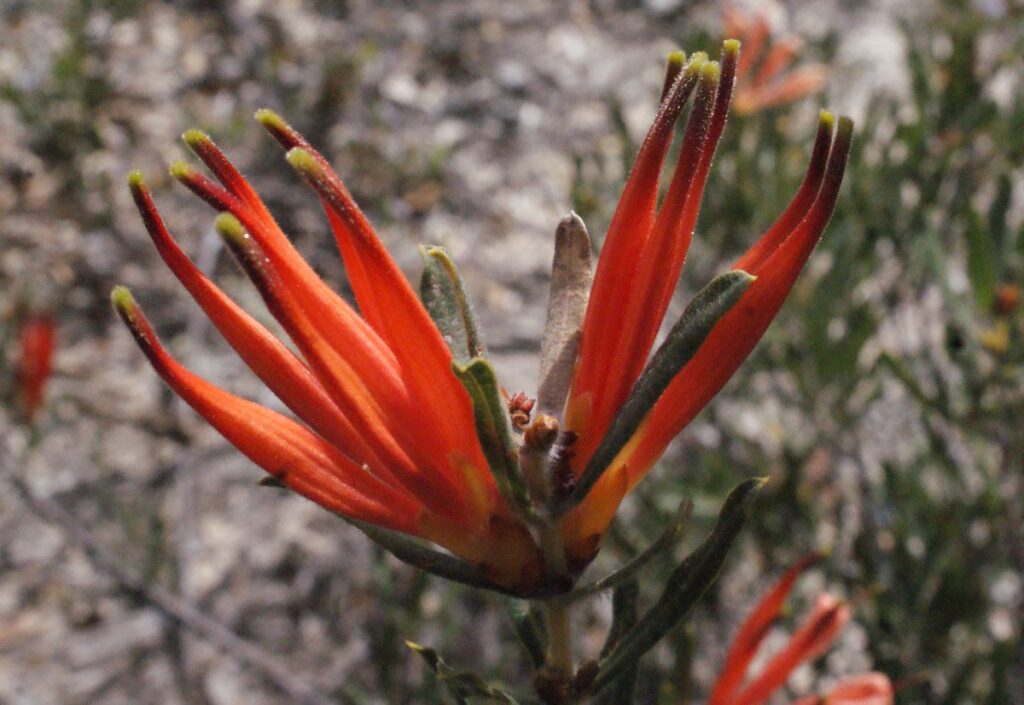
Lambertia multiflora, also known as the “Honey Flower,” is a stunning Australian native with vibrant, crimson-red blooms and a fascinating, almost spiky appearance. If you’re captivated by its unique beauty and want to share it with your garden, you’re likely wondering how to get more of these captivating plants. The good news is, propagation isn’t as intimidating as it might seem! This blog post will delve into the world of Lambertia multiflora propagation, offering you a comprehensive guide to successfully bringing new life from your existing plants.
Understanding Lambertia multiflora: A Tough but Rewarding Plant
Lambertia multiflora thrives in the harsh, dry conditions of its native Australian habitat. This resilient species is known for its slow growth and adaptation to a multitude of soil types. However, it’s important to note that it’s not a plant for the impatient gardener. Propagation can take time and patience, but the reward of seeing these striking flowers in your garden is well worth it.
Propagation Methods: Two Main Approaches
There are two primary methods for propagating Lambertia multiflora:
- Seed propagation: This is the most common and accessible method, offering the chance to grow multiple plants from a single batch of seeds. While it can be slower than other methods, starting from seed allows for greater genetic diversity.
- Cuttings: This technique involves taking cuttings from established Lambertia multiflora plants and encouraging them to develop new root systems. While it may require more specialized knowledge and practice, cuttings can often result in faster growth and a more exact replica of the parent plant.
Step-by-Step Guide to Seed Propagation:
- Collecting Seeds: Collect ripe seed pods from your mature Lambertia multiflora. The best time to collect them is usually in late summer or early autumn. Look for pods that are dark brown and slightly dry.
- Preparing the Seeds: Extract the seeds from the pods and clean them thoroughly. You might need to gently rub off any remaining fruit or debris.
- Sowing Time: The ideal time to sow Lambertia multiflora seeds is in late winter or spring. This timing allows the seeds to germinate in warmer temperatures and establish themselves before the hot summer months.
- Choosing the Right Medium: Use a well-draining seed-raising mix. A mix of sand, perlite, and composted bark provides excellent drainage and aeration.
- Sowing the Seeds: Sow the seeds directly into the seed-raising mix, ensuring they are lightly covered with soil. Water them gently, allowing the water to drain freely.
- Germination Journey: Place the sown pots in a bright, sunny spot. Maintaining a temperature between 20-25 degrees Celsius can aid in germination, which can take anywhere from weeks to months.
- Pricking Out and Transplanting: Once your seedlings have a couple of true leaves, carefully prick them out and transplant them into individual pots.
- Hardening Off: Gradually acclimate your seedlings to the outdoor conditions by placing them in a sheltered spot for increasing periods each day.
Propagation Success Tips:
- Patience is Key: Lambertia multiflora is a slow-growing plant, so don’t become disheartened if you don’t see immediate results.
- Water Wisely: Avoid overwatering your seedlings as they can be susceptible to root rot. Let the soil dry out slightly between waterings.
- Ensure Good Drainage: Use a free-draining potting mix and pots with drainage holes.
- Provide Sunlight: Lambertia multiflora thrives in full sun, so ensure your seedlings get adequate sunlight.
Final Thoughts: A Rewarding Journey
Propagating Lambertia multiflora is an enriching experience. By following these guidelines, you can unlock the secrets to successful propagation and enjoy the vibrant, unique beauty of these Australian natives in your own garden. Remember, patience and a little care are essential for success, but the results, once achieved, offer a sense of accomplishment and a thriving slice of Australian flora in your own backyard.