
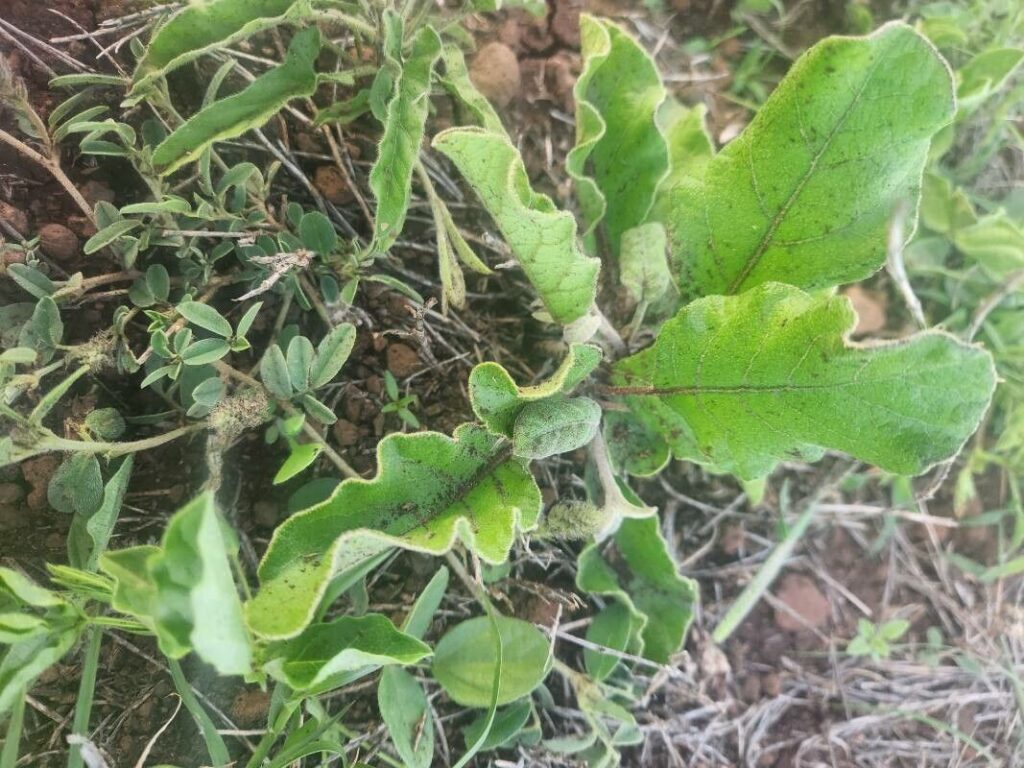
Unveiling the Secrets of Lannea Rivae: A Propagation Guide
Lannea rivae, also known as the River Lannea, is a majestic African tree celebrated for its striking appearance and myriad uses in traditional medicine. With its elegant, spreading canopy and distinctive bark, this deciduous wonder adds a touch of the wild to any landscape. But propagating Lannea rivae can seem like a daunting task. Fear not, fellow plant enthusiasts! This guide will unveil the secrets to successfully propagating this remarkable species, allowing you to welcome its unique charm into your own garden.
Decoding Lannea Rivae: A Closer Look
Before we delve into the how-to, let’s understand what we’re dealing with. Lannea rivae thrives in tropical climates, boasting a resilience that makes it relatively low-maintenance. However, when it comes to propagation, patience is key. Unlike some plants that readily sprout from cuttings, Lannea rivae prefers the traditional route – seeds.
The Art of Propagation: Seeds of Success
1. Seed Selection and Preparation:
- Source: Obtaining seeds from reputable sources is crucial. Look for online nurseries specializing in exotic seeds or connect with botanical gardens for potential seed exchanges.
- Viability: Fresh seeds offer the highest chance of germination. Look for plump, undamaged seeds. Avoid any that appear shriveled or discolored.
- Pre-treatment: While not mandatory, soaking the seeds in lukewarm water for 24 hours can help soften the outer shell and encourage quicker germination.
2. Planting the Seeds:
- Soil: Opt for a well-draining seed-starting mix that mimics the slightly acidic soil conditions preferred by Lannea rivae.
- Sowing Depth: Sow the seeds at a depth of about 1cm (half an inch). Gently press the soil to ensure good seed-to-soil contact.
- Watering: Water the seeds generously after sowing, ensuring the soil is moist but not waterlogged.
- Environment: Place the seed tray in a warm, brightly-lit location, away from direct sunlight. Maintaining a consistent temperature of around 25-28°C (77-82°F) is ideal for germination.
3. Patience, Young Padawan:
- Germination Time: Be prepared to wait. Lannea rivae seeds can take anywhere from a few weeks to several months to germinate.
- Care During Germination: Keep the soil consistently moist but avoid overwatering, which can lead to fungal diseases.
- Transplanting: Once the seedlings develop a strong root system and have a few sets of true leaves, they can be carefully transplanted into individual pots or directly into the ground, ensuring a sunny location with well-drained soil.
Beyond Seeds: Exploring Other Avenues
While seed propagation remains the most common method for Lannea rivae, other avenues, like air layering, are possible but less reliable. Air layering involves encouraging root development on a branch still attached to the parent plant. However, this method requires specific expertise and often yields inconsistent results for this species.
Reap the Rewards: A Legacy of Growth
Propagating Lannea rivae is a rewarding endeavor, allowing you to contribute to the preservation of this magnificent species. While it requires patience and dedication, the sight of those first delicate seedlings breaking through the soil makes it all worthwhile. By mastering these propagation techniques, you can help ensure that the legacy of Lannea rivae continues to grace gardens and landscapes for generations to come.