
Beyond the Bloom: Multiplying Your Lantana Involucrata
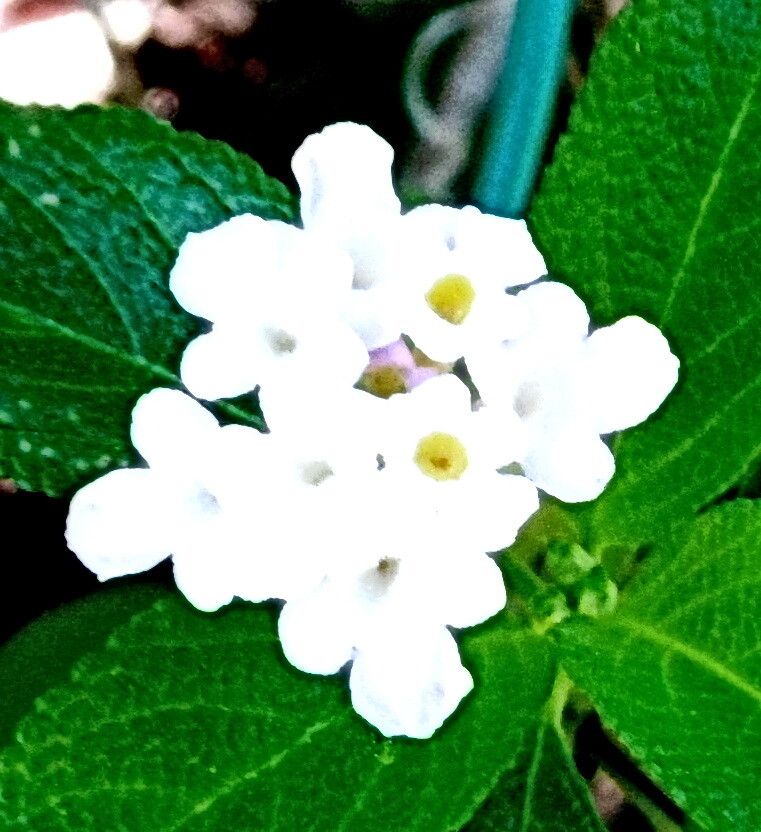
The Lantana involucrata, also known as the buttonsage, is a captivating shrub revered for its delicate beauty and resilience. This Florida native boasts clusters of tiny, fragrant flowers that transition from white to pale pink, attracting butterflies and hummingbirds to your garden. But did you know that the magic of the buttonsage extends beyond its blooms? Propagating your own Lantana involucrata is a rewarding experience that allows you to expand your garden with ease.
This guide explores the two most effective propagation methods for this charming plant:
1. Seed Propagation: A Journey from Tiny Specks to Vibrant Shrubs
Don’t discard those small, black berries that appear after the Lantana involucrata flowers! Within those fruits lie the seeds that hold the potential for new life. Here’s how to nurture them:
- Collection and Preparation: Collect mature berries and gently crush them to extract the seeds. Rinse the seeds to remove any pulp residue.
- Sowing: Plant the seeds in a seed-starting mix, lightly pressing them into the damp soil.
- Environment: Place the seed tray in a warm, brightly lit area, but away from direct sunlight. Maintain consistent moisture in the soil.
- Transplanting: Once the seedlings develop a strong root system and several sets of true leaves (approximately 6-8 weeks), they are ready to be transplanted into individual pots or your garden.
Advantages:
- Cost-effective: Starting from seed is a budget-friendly way to increase your Lantana involucrata collection.
- Rewarding Experience: Witnessing the entire life cycle, from seed to flower, provides a unique sense of accomplishment.
2. Cutting Propagation: Replicating Beauty with Stems
If patience isn’t your strong suit, then propagating Lantana involucrata from cuttings might be your method of choice. This technique offers quicker results and ensures that the new plants retain the characteristics of the parent plant.
- Taking Cuttings: Select healthy, non-flowering stems from the current year’s growth. Using clean, sharp shears, take cuttings that are about 4-6 inches long. Remove the leaves from the bottom third of the cutting.
- Rooting Hormone (Optional): While not mandatory, dipping the cut end in rooting hormone can accelerate root development.
- Planting the Cuttings: Insert the cuttings into a well-draining potting mix. Ensure the bottom node (where the leaves were removed) is buried in the soil.
- Creating a Humid Environment: Cover the pot with a clear plastic bag or use a humidity dome to maintain moisture.
- Transplanting: Once the cuttings develop a strong root system (about 4-6 weeks), they are ready to be transplanted into larger pots or your garden.
Advantages:
- Faster Results: Cuttings mature faster than seeds, allowing you to enjoy new plants sooner.
- Clonal Replication: You can be sure that the new plants will exhibit the same traits as the parent plant, including flower color and growth habit.
No matter which method you choose, propagating your Lantana involucrata is a fulfilling endeavor that connects you deeper to the wonders of nature. With a little patience and care, you can easily multiply this vibrant and charming plant, filling your garden with a bounty of beautiful blooms.