
Taming the Western Stickseed: A Guide to Propagating Lappula occidentalis
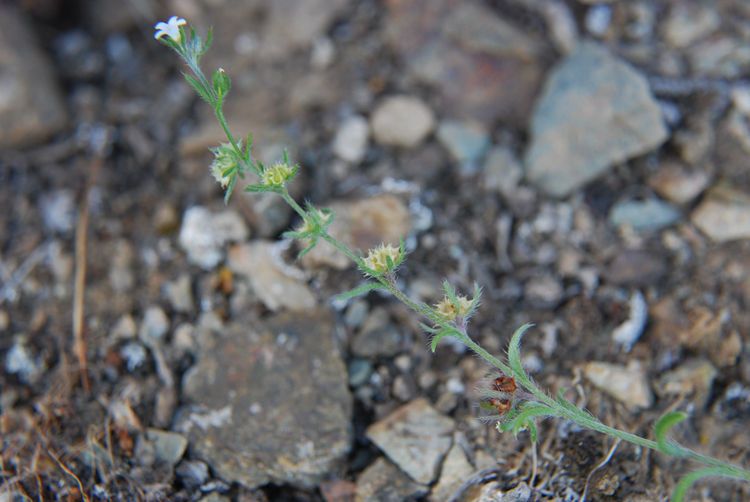
The Western Stickseed (Lappula occidentalis), with its delicate blue flowers and intriguing seed pods, might not be the first plant that comes to mind when you think of cultivating a wildflower garden. But this often-overlooked native beauty boasts a subtle charm and hardiness that make it a rewarding addition to any wildflower enthusiast’s collection. If you’re intrigued by the prospect of growing this unique plant, you’ll find that understanding Lappula occidentalis propagation is key to success.
Embracing the Wild Side: Understanding Lappula occidentalis
Before we delve into the specifics of propagation, it’s helpful to understand the nature of this fascinating plant. Native to western North America, Lappula occidentalis is a biennial, meaning it completes its lifecycle within two years. During the first year, it focuses on establishing a strong root system and developing a rosette of hairy, grayish-green leaves. The second year brings forth the flowering stalks adorned with dainty, blue, forget-me-not-like blossoms. These flowers later develop into the characteristic “stickseed” pods that cling to fur and clothing, effectively aiding in seed dispersal.
Seed Starting: The Pathway to Propagation
Lappula occidentalis propagation relies primarily on seeds, offering a straightforward yet rewarding experience for plant enthusiasts of all levels:
1. Source Your Seeds:
The easiest way to begin is by acquiring seeds from a reputable supplier specializing in native plants. However, if you’re lucky enough to have access to a wild population (remember to harvest ethically and sustainably!), you can collect seeds directly from mature plants.
2. Time Your Sowing:
Fall is the ideal time to sow Lappula occidentalis seeds directly outdoors. This mimics the plant’s natural lifecycle, allowing the seeds to experience winter stratification – a period of cold temperatures that triggers germination.
3. Prepare Your Seedbed:
Choose a sunny or partially shaded location with well-drained soil. While Lappula occidentalis can tolerate a variety of soil types, good drainage is essential. Scatter the seeds on the soil surface, lightly pressing them in without burying them deeply.
4. Patience, Young Padawan:
Germination will take place in the spring. Once seedlings emerge, thin them to provide adequate spacing for growth.
Beyond Seed Starting: Alternative Propagation Methods
While seed starting is the most common method, there are alternative approaches to propagating Lappula occidentalis:
- Root Cuttings: Although less common, taking root cuttings from established plants in late fall or early spring offers another propagation route.
- Division: In the fall, you can carefully divide larger plants, ensuring each division has a healthy root system. Transplant the divisions immediately to their new locations.
Caring for Your Wildflower Bounty
Lappula occidentalis is relatively low-maintenance. Provide regular watering during the first year to encourage root establishment, but be mindful of overwatering. Once established, the plants are fairly drought-tolerant.
A Wildflower Worth Welcoming
Propagating Lappula occidentalis is more than just a gardening endeavor; it’s a chance to connect with the beauty of native flora and contribute to biodiversity. Incorporating this unique wildflower into your garden not only introduces subtle charm but also provides valuable habitat and resources for pollinators. So why not embrace the challenge and witness the delicate beauty of the Western Stickseed unfold in your own backyard?