
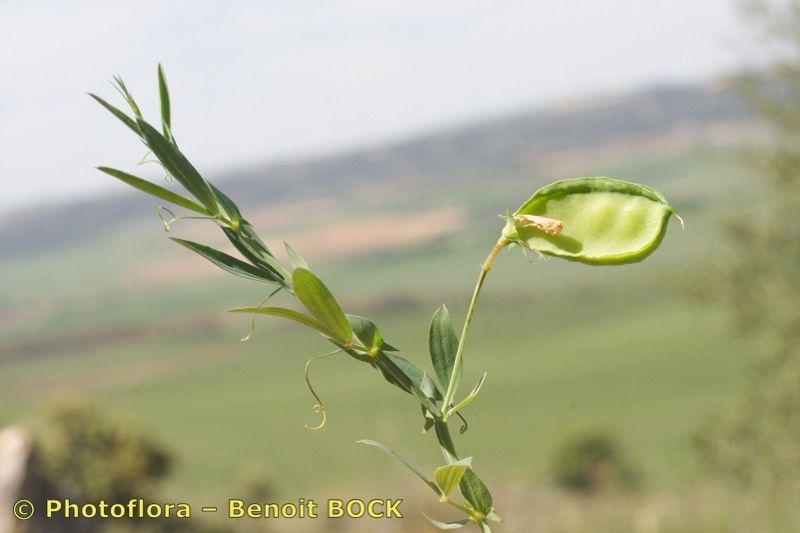
The Mystery of the Underground Pea: Propagating Lathyrus amphicarpos
Have you ever heard of a plant that produces flowers above ground and fruits below? Introducing Lathyrus amphicarpos, also known as the subterranean pea or peanut pea, a botanical marvel that piques the curiosity of plant enthusiasts. This fascinating annual, native to the Mediterranean region, has developed a unique survival strategy – producing edible pods both above and below the ground. Intrigued? Let’s delve into the world of this unusual plant, focusing on how you can propagate it in your own garden.
Cracking the Code: Propagation Methods
Lathyrus amphicarpos can be propagated in two ways: by seed, and surprisingly, by those very underground pods.
1. Seed Starting: A Straightforward Approach
- Sourcing Seeds: You might find seeds for this rare beauty at specialty nurseries or online retailers specializing in unusual or heirloom seeds.
- Scarification for Success: The seeds have a hard outer coating that requires scarification to encourage germination. Use a file or sandpaper to gently nick the seed coat before sowing.
- Sowing Time: Sow seeds directly outdoors after the danger of frost has passed or start them indoors 4-6 weeks before the last frost.
- Soil and Sowing Depth: Use a well-draining seed starting mix or garden soil. Plant seeds about 1-2 inches deep.
- Sunlight and Watering: Provide consistent moisture and place the pots in a sunny location.
- Transplanting Time: Harden off seedlings before transplanting them outdoors after the last frost.
2. Underground Pods: A Unique Opportunity
This is where Lathyrus amphicarpos truly sets itself apart. The plant produces small, pea-like podsunderground, capable of generating new life.
- Harvesting Pods: Carefully dig around the base of the plant in late summer or early fall to locate the underground pods. They’ll be attached to the roots.
- Storage and Planting: Store the pods in a cool, dry place until spring. Plant them about 2 inches deep in well-draining soil.
- Patience is Key: Underground pod propagation can be slower than seed starting, so be patient and don’t be surprised if it takes some time for sprouts to emerge.
Caring for Your Subterranean Surprise
- Sunlight Requirements: Lathyrus amphicarpos thrives in full sun to partial shade.
- Watering Needs: Water regularly, especially during dry periods. The soil should be moist but not waterlogged.
- Soil Preference: Well-drained soil is crucial. Amend heavy clay soils with compost or sand to improve drainage.
- Support System: Like most Lathyrus species, the peanut pea is a climber. Provide a trellis, fence, or other support structures for the vines to climb.
A Rewarding Experience
While requiring a little extra attention, propagating Lathyrus amphicarpos offers a unique and fulfilling experience. This botanical oddity, with its intriguing life cycle and underground surprises, will undoubtedly become a conversation starter in your garden. So, why not give it a try? You might just discover the joys of cultivating this fascinating plant that marches to the beat of its own drum – or perhaps, its own root!