
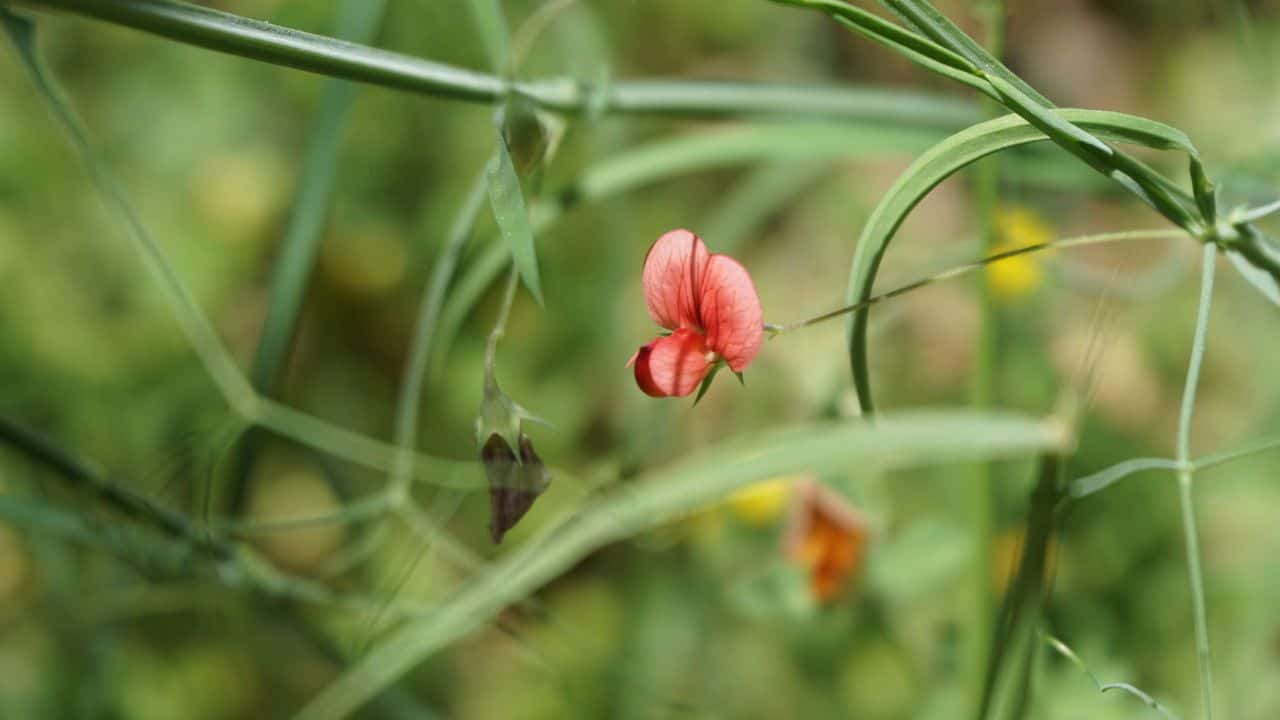
Taming the Wild Pea: How to Propagate Lathyrus cicera
The Lathyrus cicera, also known as the red pea or chickling pea, might not be a household name like its cousin the sweet pea, but this wildflower packs a punch in the garden. Boasting delicate red blooms and a charmingly unruly habit, Lathyrus cicera is perfect for adding a touch of effortless beauty to cottage gardens, wildflower meadows, and even your vegetable patch. Intrigued? The best part is, propagating this hardy annual is a surprisingly simple process!
Two Paths to Lathyrus cicera Glory: Seed vs. Cuttings
There are two main methods to propagate Lathyrus cicera: seeds and cuttings. Each offers unique advantages, so let’s dive into the details:
1. Starting from Seed: A Rewarding Journey from Scratch
Growing Lathyrus cicera from seed is a rewarding experience, offering a front-row seat to the plant’s full life cycle. Plus, seeds are readily available and offer an economical option for filling your garden.
Here’s your step-by-step guide to seed propagation:
- Scarification: Lathyrus cicera seeds have a hard outer coating that benefits from scarification, a process that makes it easier for water to penetrate and kickstart germination. Use a nail clipper to nick the seed coat or gently rub it with sandpaper.
- Soaking: Soak the scarified seeds in lukewarm water for 12-24 hours. This further aids in softening the seed coat and encourages quicker germination.
- Sowing: Lathyrus cicera prefers a sunny spot with well-drained soil. You can sow seeds directly into your garden bed after the last frost, or start them indoors 4-6 weeks before the last expected frost.
- Planting Depth: Sow seeds about 1 inch deep and space them 6-8 inches apart to give them room to flourish.
- Watering: Keep the soil consistently moist but not waterlogged, and be patient! Germination can take anywhere from 1-3 weeks.
2. Cuttings: Cloning Your Favorites
The cuttings method lets you create exact replicas of your favorite Lathyrus cicera plants. This is especially useful if you have a particular plant with desirable traits like flower color or growth habit.
Here’s how to propagate using cuttings:
- Timing is Key: Take cuttings in the spring when the plant is actively growing.
- Selecting the Cuttings: Choose healthy, non-flowering stems that are about 4-6 inches long.
- Preparing the Cuttings: Using a sharp, clean knife or pruning shears, make a diagonal cut just below a leaf node. Remove the lower leaves, leaving 2-3 pairs at the top.
- Rooting Hormone (Optional): While not essential, dipping the cut end in rooting hormone can encourage faster and more successful rooting.
- Planting: Plant the cuttings in a well-draining potting mix and keep them consistently moist and in a warm, bright location out of direct sunlight.
- Patience is Key: It can take several weeks for cuttings to develop roots. Once new growth appears, you’ll know your cuttings are thriving and ready to be transplanted.
A Few Final Tips for Success
- Support System: Lathyrus cicera is a climbing plant, so provide support like a trellis, fence, or other plants for it to climb on.
- Deadheading: Regular deadheading – removing spent flowers – will encourage more blossoms and prevent the plant from putting energy into seed production.
- Enjoy the Bounty: Lathyrus cicera is edible! Young pods can be enjoyed raw or cooked, adding a unique flavor to salads and stir-fries.
With a little effort, you can successfully propagate Lathyrus cicera and enjoy its delicate beauty and charming personality in your own garden. So why not give it a try? You might just discover your new favorite garden gem!