
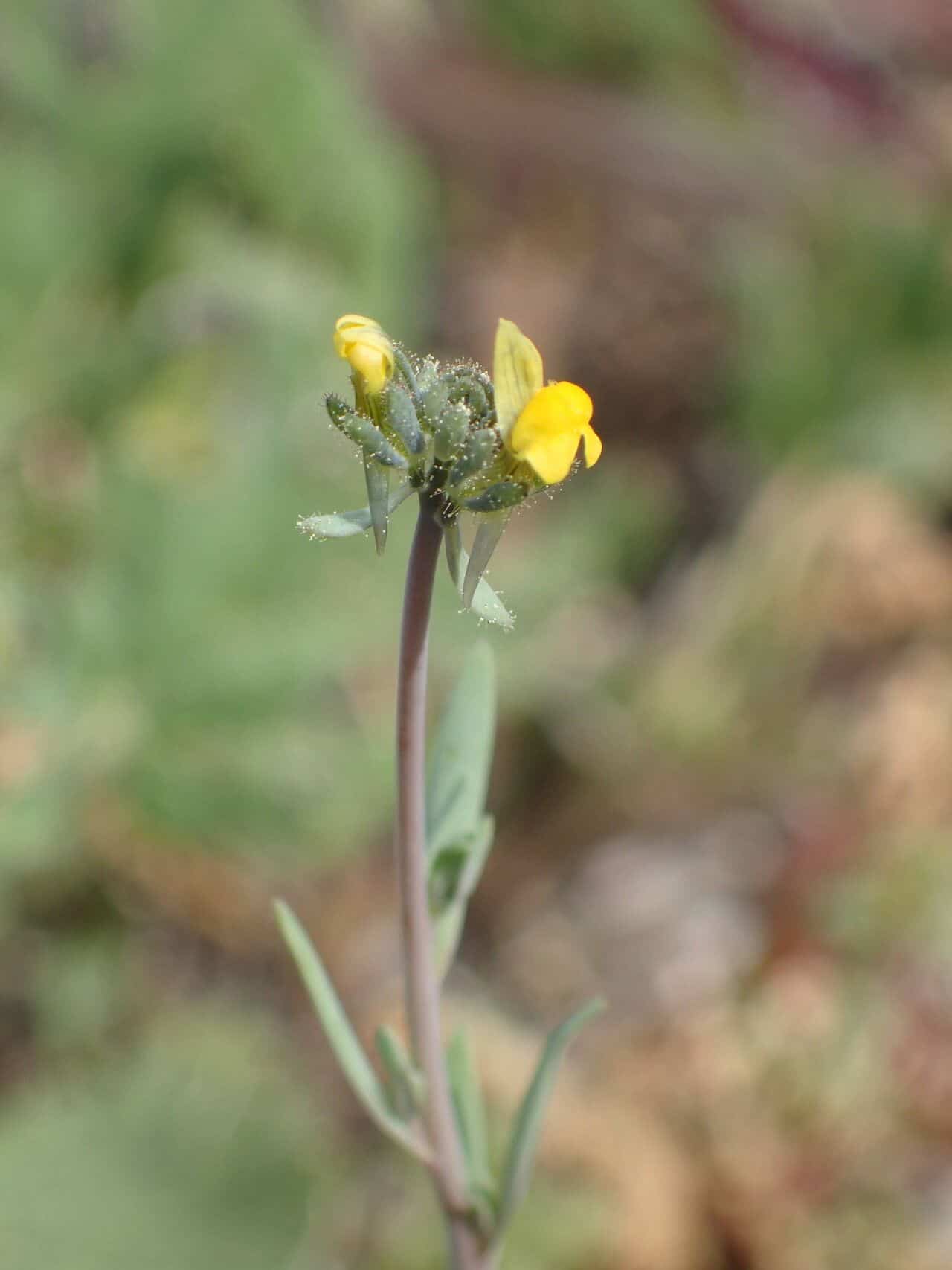
Tiny Blooms, Big Impact: Mastering Linaria Simplex Propagation
Linaria simplex, also known as the Butter-and-Eggs or Pale Toadflax, might seem unassuming at first glance. However, this charming wildflower, with its delicate yellow and white blooms, can bring a touch of whimsical beauty to any garden. And the best part? Propagating Linaria simplex is a breeze, even for beginners!
This guide explores two effective methods:
1. Seed Propagation: Embracing the Cycle of Life
Linaria simplex readily self-seeds, making this the most straightforward propagation method. However, for those who prefer a more controlled approach, here’s how to propagate from seed:
- Timing is Key: Aim to sow your Linaria simplex seeds either in late fall (for a headstart in spring) or early spring after the last frost.
- Preparing the Seedbed: Choose a well-drained location with full sun to partial shade. Lightly rake the soil and remove any debris.
- Sowing the Seeds: Sprinkle the tiny seeds thinly over the soil surface. Since Linaria simplex seeds need light to germinate, press them gently into the soil without burying them.
- Patience is a Virtue: Keep the soil consistently moist but not soggy. Germination can take anywhere from two weeks to a couple of months, depending on the temperature.
- Thinning the Seedlings: Once your seedlings are a few inches tall, thin them out to allow for proper air circulation and growth. Aim for a spacing of 6-8 inches between plants.
2. Cuttings: Cloning Your Floral Favorites
For those who want to reproduce the exact traits of a particular Linaria simplex plant, taking cuttings is an excellent option:
- When to Take Cuttings: The best time for taking cuttings is in late spring or early summer when the plant is actively growing.
- Choosing the Right Material: Look for healthy, non-flowering stems about 3-4 inches long.
- Making the Cut: Use a sharp, clean knife or pair of pruning shears to make a clean cut just below a leaf node. Remove the lower leaves from the cutting, leaving 2-3 leaves at the top.
- Encouraging Root Development: Dip the cut end of the stem in rooting hormone (optional but beneficial). Plant the cutting in a pot filled with a well-draining, seed-starting mix.
- Creating a Humid Environment: Cover the pot with a plastic bag or use a propagation dome to maintain high humidity. Place the cutting in indirect sunlight.
- Transplanting Time: After about 4-6 weeks, gently tug on the cutting to check for resistance. Resistance indicates successful root development. Once your cuttings have a good root system, transplant them into individual pots or into your desired garden location.
Tips for Success:
- Well-Drained Soil is Crucial: Soggy soil can lead to root rot, so ensure your chosen location or potting mix drains well.
- Don’t Overwater: Linaria simplex is relatively drought-tolerant once established. Water deeply when the soil is dry to the touch.
- Deadheading Encourages More Blooms: Regularly remove spent flowers to encourage a continuous display of blooms throughout the season.
Enjoy the Fruits of Your Labor!
With its easy-going nature and charming beauty, Linaria simplex is a rewarding plant to propagate. By following these simple steps, you’ll soon have a flourishing colony of these lovely wildflowers gracing your garden with their delicate charm.