
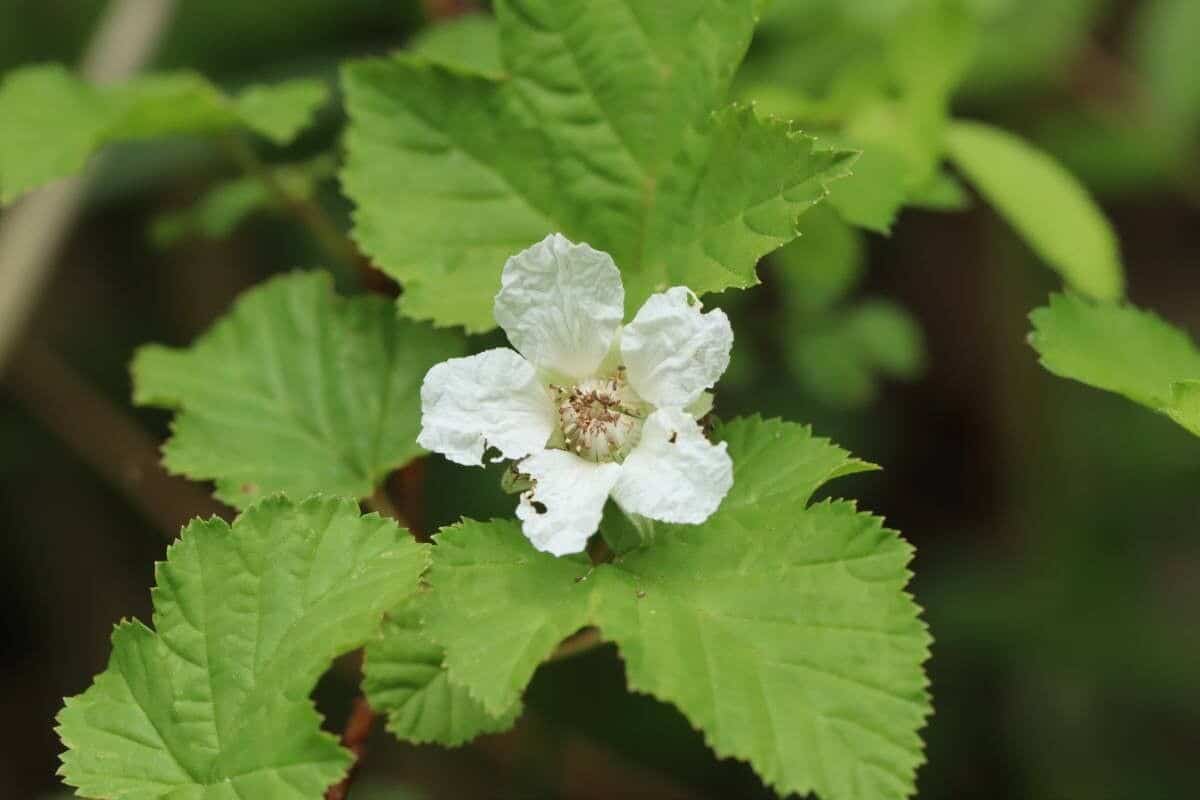
Taming the Wild Raspberry: A Guide to Propagating Rubus crataegifolius
The Rubus crataegifolius, also known as the Korean raspberry or Asian hawthorn raspberry, is a fascinating plant with delicious berries and striking foliage. While not as commercially popular as its cultivated cousins, this wild raspberry species, native to Asia, holds immense appeal for adventurous gardeners seeking unique additions to their landscapes.
If you’re intrigued by this intriguing fruit-bearing beauty and want to multiply your harvest (and who wouldn’t?), this guide provides a comprehensive look at propagating Rubus crataegifolius.
Methods of Propagation
There are three main methods for propagating this hardy species:
1. Seed Propagation: Embracing the Wild Side
Propagating from seed is the most unpredictable method, often resulting in variations from the parent plant. However, it offers a chance to witness the wonder of nature’s own design:
- Collecting Seeds: Harvest ripe berries in late summer or early fall. Crush the fruits, separate the seeds, and rinse them thoroughly.
- Stratification (Nature’s Cold Nap): Rubus crataegifolius seeds require a period of cold stratification to mimic natural winter conditions and break dormancy. Mix seeds with damp sand or peat moss, seal them in a plastic bag, and store in the refrigerator for 60-90 days.
- Sowing: In spring, sow the stratified seeds in a seed-starting mix, barely covering them with soil. Keep the soil consistently moist and place the container in a bright location but out of direct sunlight.
- Patience is Key: Germination can be erratic and may take several weeks or even months.
2. Cutting Propagation: A Faster Route to Fruition
Taking cuttings is a faster and more reliable method for replicating the characteristics of the parent plant:
- Timing is Everything: Take softwood cuttings in late spring or early summer when new growth is pliable.
- Choosing the Right Cuttings: Select healthy stems that are about 4-6 inches long and have several sets of leaves.
- Promoting Root Development: Remove the lower leaves and wound the base of the cutting slightly to encourage root formation. Dip the cut end in rooting hormone powder for added insurance.
- Planting and Care: Plant the cuttings in a well-draining potting mix, burying at least one node. Keep the soil consistently moist and provide indirect sunlight.
- Transplant Time: Once the cuttings show signs of new growth, typically in a few weeks, they can be transplanted into individual pots or directly into the garden.
3. Suckering: Utilizing Nature’s Clones
Rubus crataegifolius readily produces suckers – new shoots that emerge from the base of the parent plant. This natural cloning process makes propagation incredibly easy:
- Identifying Suckers: Look for healthy suckers that have developed their own root system.
- Separation Anxiety: Carefully separate the sucker from the parent plant using a sharp spade or knife, ensuring you get a good portion of the roots.
- Ready to Roll: Plant the sucker in its new location with similar growing conditions as the parent plant.
Tips for Success
- Well-Draining Soil: Rubus crataegifolius prefers well-draining soil that is slightly acidic to neutral in pH.
- Sunlight Requirements: Aim for a location that receives at least 6 hours of sunlight per day for optimal growth and fruit production.
- Watering Wisely: Keep the soil consistently moist, but avoid overwatering, which can lead to root rot.
- Pest and Disease Control: Be vigilant about monitoring for common raspberry pests and diseases.
Reaping the Rewards
Whichever propagation method you choose, successfully multiplying your Rubus crataegifolius plants will reward you with a bountiful harvest of delicious, tangy berries. With a little patience and care, you can enjoy the unique flavors and beauty of this wild raspberry for years to come.