
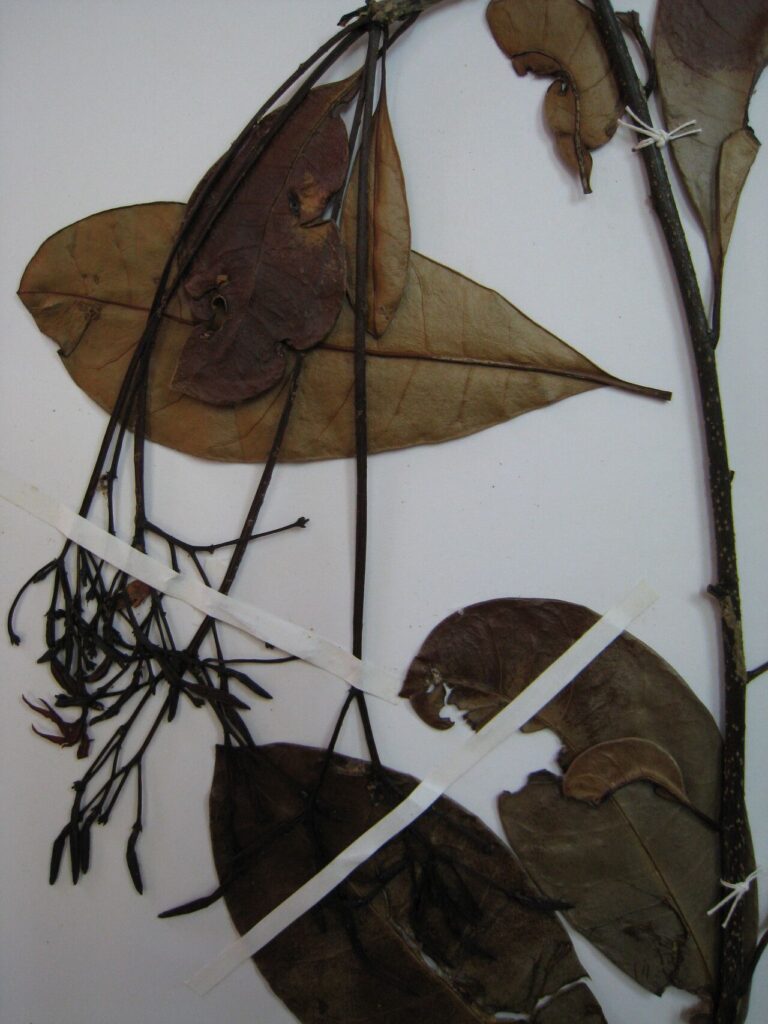
Unleashing the Beauty of Laxoplumeria baehniana: A Guide to Propagation
The Laxoplumeria baehniana, sometimes known by its more pronounceable common name, the Lesser Frangipani, is a tropical treat for the eyes and nose. This small tree, boasting fragrant white blossoms with sunny yellow centers, can transform any garden into a tropical paradise. Have your eyes set on adding this beauty to your landscape? While finding Laxoplumeria baehniana for sale can be tricky, propagating your own is a rewarding endeavor. Let’s explore two effective methods:
1. Propagating from Cuttings:
This is the most common and arguably easiest method for propagating Laxoplumeria baehniana. Here’s a step-by-step guide:
- Timing is Everything: Begin with healthy, mature stems during the plant’s active growing season, ideally spring or early summer.
- Take the Cut: Using a sharp, sterilized knife or pruning shears, cut a stem segment about 6-8 inches long. Choose sections without flowers or developing buds.
- Preparation is Key: Remove the leaves from the lower third of the cutting, leaving only a few at the top. This minimizes moisture loss while the cutting focuses its energy on root development.
- Callus Over: Allow the cut end of the stem to dry and form a callus. This typically takes a few days to a week, depending on the humidity. A calloused end will prevent rot when planted.
- Potting Mix Matters: Choose a well-draining potting mix specifically designed for succulents or cacti. You can also create your own by blending equal parts peat moss, perlite, and sand.
- Planting Time: Dip the calloused end in rooting hormone (optional, but encourages faster root development) and then gently insert it into the prepared potting mix.
- The Waiting Game (and Proper Care): Place the pot in a warm, bright location, but out of direct sunlight. Keep the soil consistently moist, but not waterlogged. It can take several weeks for roots to develop.
2. Propagating from Seed:
While less common, propagating from seed offers a unique experience and the potential for greater genetic diversity:
- Source Your Seeds: Obtain viable seeds from a reputable supplier, or carefully collect them from mature seed pods on an existing Laxoplumeria baehniana.
- Soaking for Success: Soak the seeds in warm water for 24 hours before planting. This helps soften the outer shell and encourage germination.
- Sowing the Seeds: Fill a seed tray or small pots with a well-draining seed starting mix. Sow seeds about half an inch deep, and mist the soil lightly.
- Warmth and Light: Cover the tray or pots with a humidity dome or plastic wrap to create a warm, humid environment. Place in a bright location, but out of direct sunlight.
- Germination Patience: Germination can be erratic and may take anywhere from a few weeks to a couple of months. Be patient and maintain consistent moisture.
- Transplanting Time: Once seedlings have developed a few sets of true leaves, they can be carefully transplanted into individual pots with the same well-draining potting mix recommended for cuttings.
A Few Final Tips:
- Be Patient: Propagation takes time. Don’t be discouraged if you don’t see results immediately.
- Monitor for Pests: Keep a watchful eye out for common pests like aphids and mealybugs, and treat promptly if necessary.
- Enjoy the Process: Propagating Laxoplumeria baehniana is a rewarding experience. Take your time, learn as you go, and soon you’ll be enjoying the fragrant beauty of these stunning plants!