
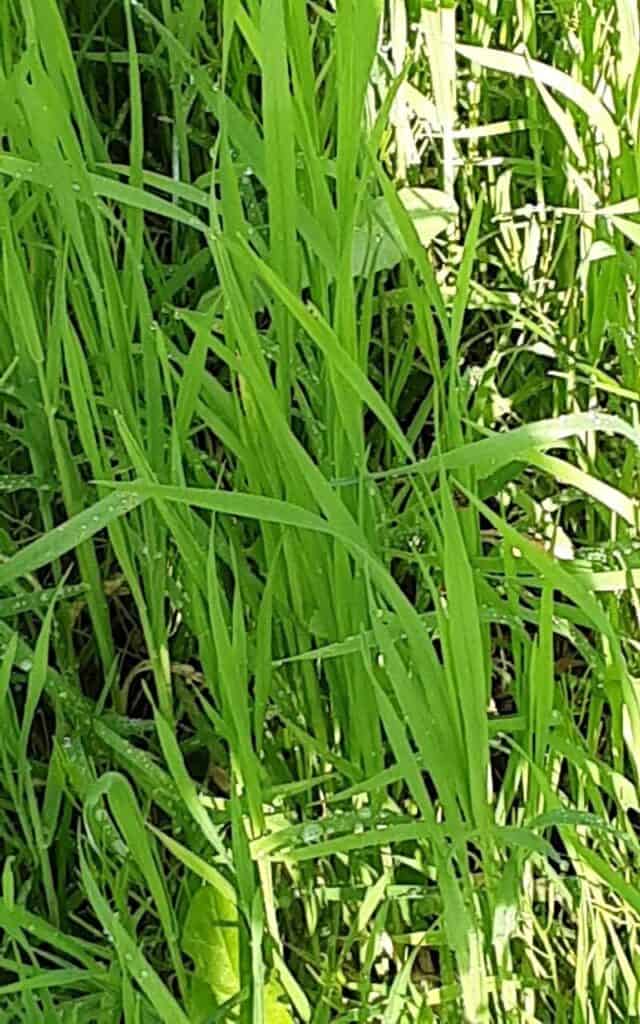
Taming the Rice Cutgrass: Propagating Leersia oryzoides
Leersia oryzoides, better known as rice cutgrass, often evokes mixed feelings. While considered a nuisance in manicured lawns, this native perennial grass plays a vital role in wetland ecosystems and offers valuable benefits for wildlife. If you’re looking to establish a rain garden, restore a wetland area, or simply provide food and shelter for birds, propagating Leersia oryzoides might be right up your alley.
Before we dive into propagation, let’s clear up why this grass is both appreciated and avoided. Rice cutgrass thrives in moist to wet soils, often found along the edges of ponds, marshes, and ditches. Its rapid growth rate and ability to spread through rhizomes (underground stems) allow it to quickly colonize areas, which can be undesirable in lawns or cultivated gardens. However, this same characteristic makes it a champion for erosion control and wetland restoration projects. Its dense root system stabilizes soil, filters water, and provides crucial habitat for aquatic insects, amphibians, and waterfowl.
Now, let’s talk propagation. You can propagate rice cutgrass in two main ways:
1. Seed Propagation:
- Collection: Collect seeds in late summer or early fall when the seed heads turn brown and dry.
- Storage: Store seeds in a cool, dry place until you are ready to sow.
- Sowing: Rice cutgrass seeds benefit from a period of cold stratification. You can either sow them directly outdoors in the fall or cold stratify them artificially by placing them in moist sand or peat moss in the refrigerator for 6-8 weeks.
- Germination: Once stratified, sow seeds in a seed tray filled with a moist seed-starting mix. Lightly press the seeds into the surface and keep them consistently moist. Germination usually takes 1-2 weeks.
- Transplanting: Once seedlings have developed a few true leaves, transplant them into individual pots or directly into your desired location.
2. Rhizome Division:
- Timing: The best time to divide rice cutgrass is in spring or early fall.
- Lifting: Choose a healthy clump of grass and carefully lift a portion of the rhizome mass using a spade or shovel.
- Dividing: Divide the rhizome mass into smaller sections, ensuring each section has several nodes (the bumps on the rhizome where roots and shoots emerge).
- Replanting: Replant the divisions immediately in their desired location, ensuring the top of the rhizome is level with the soil surface.
Tips for Success:
- Site Selection: Rice cutgrass thrives in full sun to partial shade and consistently moist to wet soil. It tolerates a range of soil types but prefers slightly acidic to neutral pH.
- Moisture: Keep the soil consistently moist, especially during establishment.
- Management: In gardens or controlled environments, you can limit spreading by installing a physical barrier around the planting area. Regular division can also help control its spread.
Whether you’re embracing its benefits for wildlife or utilizing its ability to stabilize erosion-prone areas, propagating rice cutgrass can be a rewarding endeavor. By understanding its growth habits and utilizing appropriate propagation techniques, you can successfully cultivate this fascinating and valuable native grass.