
Sow the Seeds of Delight: A Guide to Propagating Venus’s Looking Glass (Legousia Speculum-veneris)
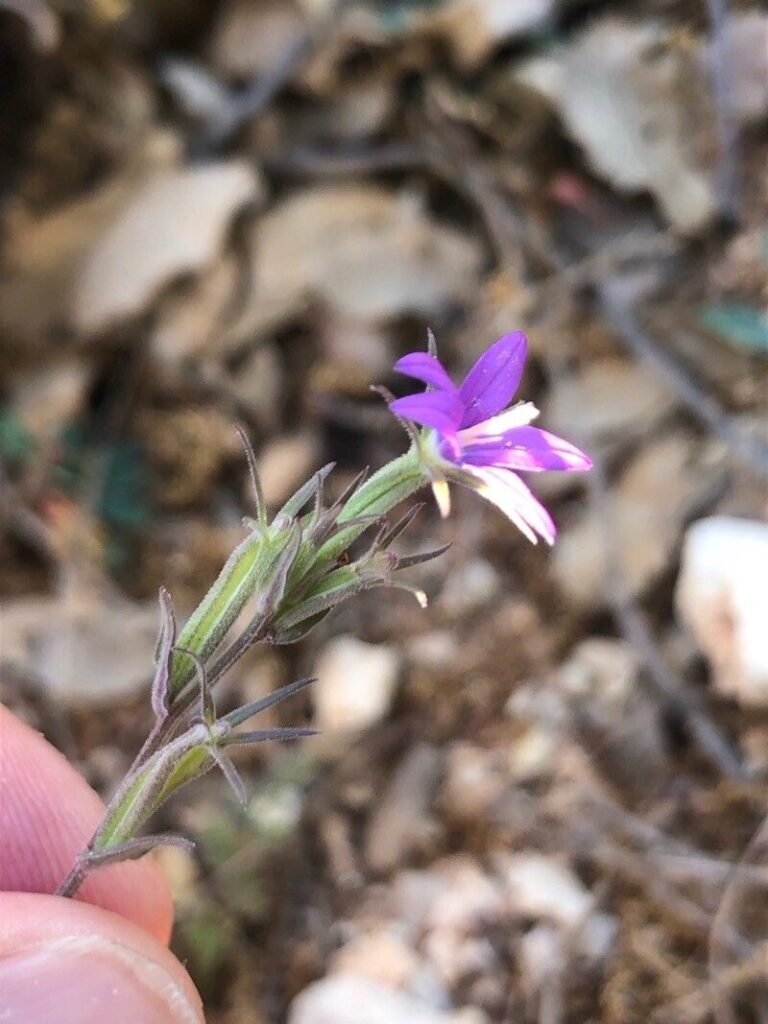
Venus’s Looking Glass, or Legousia speculum-veneris to use its more formal name, is a charming wildflower that deserves a place in every garden. Its delicate, lilac-blue, saucer-shaped blossoms, resembling tiny mirrors reflecting the sky, bring a touch of whimsy and natural elegance to borders, meadows, and even container plantings. While you might stumble across seed packets at a local nursery, learning to propagate this beauty yourself is surprisingly easy and rewarding. Let’s delve into the world of Legousia propagation and discover how to invite this delightful flower into your own outdoor haven.
Timing is Everything: When to Sow
Venus’s Looking Glass prefers a cool start in life. This makes early spring or fall the ideal times for sowing seeds.
- Spring Sowing: Aim to sow seeds directly outdoors after the last frost has passed and the soil has warmed slightly. This will give the seedlings a head start on the growing season.
- Fall Sowing: In milder climates, sowing in early fall allows the seeds to experience the natural chilling period of winter. This often results in stronger, more robust plants come spring.
Sowing the Seeds: A Gentle Touch
- Direct Sowing: This method most closely mimics the natural life cycle of Legousia. Prepare your chosen bed by loosening the soil and removing any weeds. Sprinkle seeds sparingly over the surface, as they need light to germinate. Gently press them into the soil, but avoid burying them deeply.
- Starting Indoors (Optional): For an earlier bloom time, you can start seeds indoors 4-6 weeks before your last expected frost. Use a well-draining seed starting mix and sow seeds shallowly. Provide bright, indirect light and keep the soil consistently moist.
Nurturing New Life: Caring for Seedlings
Venus’s Looking Glass seedlings are delicate, so tender loving care is crucial:
- Light: Whether sown directly or indoors, provide ample sunlight or bright, indirect light.
- Water: Keep the soil consistently moist but not waterlogged. Aim for a gentle, even watering to avoid disturbing the tiny seedlings.
- Thinning: Once seedlings are a few inches tall, thin them out to approximately 6 inches apart. This allows for good air circulation and prevents overcrowding.
Beyond Sowing: Other Propagation Methods
While seed propagation is the most common and reliable method, Legousia can also be propagated through:
- Division: In early spring or fall, carefully dig up established plants and gently divide them into smaller clumps, ensuring each division has a good root system. Replant immediately and water thoroughly.
- Self-Seeding: With proper care, Venus’s Looking Glass will readily self-seed in your garden, providing a charming display year after year. Leave a few spent flower heads to scatter their seeds naturally.
Embrace the Charm: A Rewarding Experience
Propagating Venus’s Looking Glass is a rewarding endeavor for gardeners of all levels. With a bit of patience and care, you can easily cultivate a tapestry of these captivating blue blooms, transforming your outdoor space into a vibrant haven for pollinators and admirers alike. So, why not gather your seeds, sow them with intention, and witness the magic of Legousia speculum-veneris unfold in your own backyard?