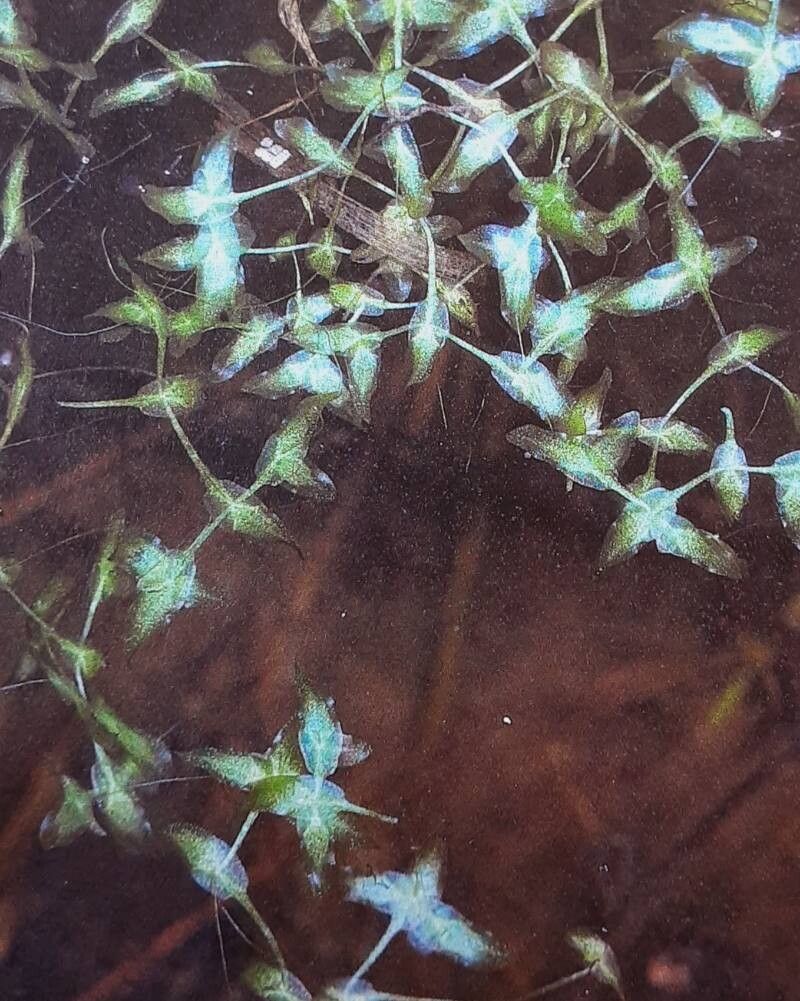
How to Propagate Lemna trisulca

Propagating Lemna trisulca: The Three-lobed Wonder of Water Gardens

Lemna trisulca, commonly known as three-lobed duckweed or ivy duckweed, is a fascinating aquatic plant captivating gardeners with its delicate, intricately shaped fronds. Unlike its more readily identifiable duckweed cousins, Lemna trisulca boasts a unique, almost translucent, three-lobed structure that dances gracefully on the water’s surface. Its ease of propagation and ability to quickly colonize water features makes it appealing, yet its propagation methods present unique challenges and rewards.

Seed Germination:

Currently, there are no known reliable methods for seed germination propagation of Lemna trisulca. While some duckweed species produce seeds, Lemna trisulca primarily reproduces vegetatively, making seed germination a non-viable propagation method.

Cuttings:

Cuttings are not a practical method for propagating Lemna trisulca. The plant’s structure doesn’t lend itself to the concept of cuttings in the traditional sense. Individual fronds are essentially already complete plantlets.

Division:

This is the primary, simplest, and most effective method for propagating Lemna trisulca. The plant naturally fragments and multiplies through vegetative growth. Challenges are minimal, essentially involving careful handling to avoid damaging the delicate fronds.

  • Challenges: The fragility of the fronds. Rough handling can easily tear or damage them. Preventing unintended fragmentation during harvesting can also be tricky for large-scale harvesting.
  • Practical Tips: Gently separate clusters of fronds using clean hands or tweezers. Place the separated fragments directly onto the surface of a suitable water body or into a container with appropriate aquatic conditions. Ensure adequate light and nutrient levels in the water.
  • Rewards: Rapid and prolific propagation. This method is efficient for both small-scale propagation in home aquariums and large-scale cultivation in ponds and water gardens.

Tissue Culture:

Tissue culture offers the potential for large-scale propagation and even genetic improvement of Lemna trisulca. This method is more complex and requires a sterile laboratory setting along with specialized knowledge and equipment.

  • Challenges: Establishing aseptic conditions and selecting appropriate growth media are crucial. The technique requires specialized knowledge of plant tissue culture protocols. Cost of equipment and materials can also be a significant barrier.
  • Practical Tips: Utilize standard plant tissue culture techniques, adapted for aquatic plants. Employ surface sterilization of plant material before inoculation. Optimize nutrient media to promote rapid shoot multiplication and healthy frond development.
  • Rewards: Potential for rapid and large-scale propagation, enabling consistent genetic uniformity, especially beneficial for research or specific horticultural applications. Furthermore, it offers an opportunity for disease-free material production.

Conclusion:

While Lemna trisulca propagation presents certain challenges, particularly relative to seed germination and cuttings, simple division remains a highly effective and rewarding technique. Tissue culture offers a more complex but potentially higher-yield method for large-scale propagation and research. The ease of division, coupled with the sheer visual delight of watching this plant multiply and flourish, offers profound gratification to those who dedicate their time to its cultivation. The delicate beauty of these three-lobed wonders, coupled with the challenge of successfully propagating them, makes the endeavor all the more satisfying. Aspiring propagators should start with the simpler division method and gradually explore tissue culture if they wish to advance their skills and scale up their cultivation.

How to Propagate Lemna trisulca

Propagating Lemna trisulca: The Three-Lobe Duckweed

Lemna trisulca, commonly known as three-lobe duckweed or ivy duckweed, is a fascinating aquatic plant belonging to the Lemnaceae family. Its distinctive three-lobed fronds, unlike the simpler oval shape of other duckweeds, make it a sought-after addition to aquatic gardens and aquascapes. While unassuming, its rapid growth rate and ability to thrive in a variety of conditions have garnered it popularity among both hobbyists and researchers. However, propagating Lemna trisulca presents unique challenges and rewards, requiring a nuanced approach.

Seed Germination:

Currently, there are no known reliable methods for seed germination propagation of Lemna trisulca. Lemna trisulca primarily reproduces vegetatively, meaning it doesn’t rely on sexual reproduction through seeds for propagation under normal conditions. While some Lemna species might produce seeds under specific stress conditions, these methods aren’t reproducible or practical for widespread propagation.

Cuttings:

Propagating Lemna trisulca through cuttings isn’t a practical method either. Unlike some plants which can regrow from cuttings, the small, delicate fronds of Lemna trisulca lack the necessary structures to regenerate independently. A severed frond fragment usually fails to develop roots or new growth.

Division:

This is the most common and successful method for propagating Lemna trisulca. The rapid vegetative growth of the plant involves the formation of daughter fronds (often called turions in colder climates) which detach from the parent frond, forming new, independent plants. This process is essentially division by nature.

  • Challenges: While simple, ensuring the daughter fronds have sufficient resources to establish themselves can be tricky. Overcrowding in the parent plant can lead to weaker offspring.
  • Practical Tips: Maintain a healthy, nutrient-rich environment for the parent plant. Regularly thin out overcrowded areas to encourage robust daughter frond development. Gently separate healthy fronds and replant them in fresh water or appropriate substrate at a suitable density. Avoid damaging the delicate fronds during separation.
  • Rewards: This method is highly effective, efficient, and allows quick propagation. It readily establishes new colonies, even from small starting material.

Tissue Culture:

Tissue culture offers the potential for large-scale and controlled propagation of Lemna trisulca. It involves growing plant tissues under sterile conditions on a nutrient-rich agar medium.

  • Challenges: Requires specialized equipment, sterile techniques, and expertise in plant tissue culture. The process can be relatively expensive and time-consuming, making it unsuitable for casual growers. Finding the optimal nutrient media for consistent and robust growth is crucial.
  • Practical Tips: Seek guidance from experienced tissue culture labs or consult established protocols. Maintain strict sterility to prevent contamination. Experiment with different nutrient media to find the optimal formulation for your specific setup and conditions.
  • Rewards: Offers the possibility of rapid, large-scale production, disease-free propagation, and the potential for genetic improvement and preservation.

Conclusion:

Successfully propagating Lemna trisulca hinges primarily on understanding its vegetative reproductive strategy. While seed germination and cuttings are not viable options, division offers a straightforward and effective method for most hobbyists. Tissue culture provides a powerful avenue for large-scale production but requires specialized knowledge and resources. The challenges that exist are balanced by the unique satisfaction of nurturing this small but resilient plant from a few fronds to a thriving colony. Experimentation and careful observation are key. The rewards – the vibrant green carpet of three-lobed fronds gracefully floating on the water’s surface – are well worth the effort for any enthusiastic aquarist or aquatic gardener.