
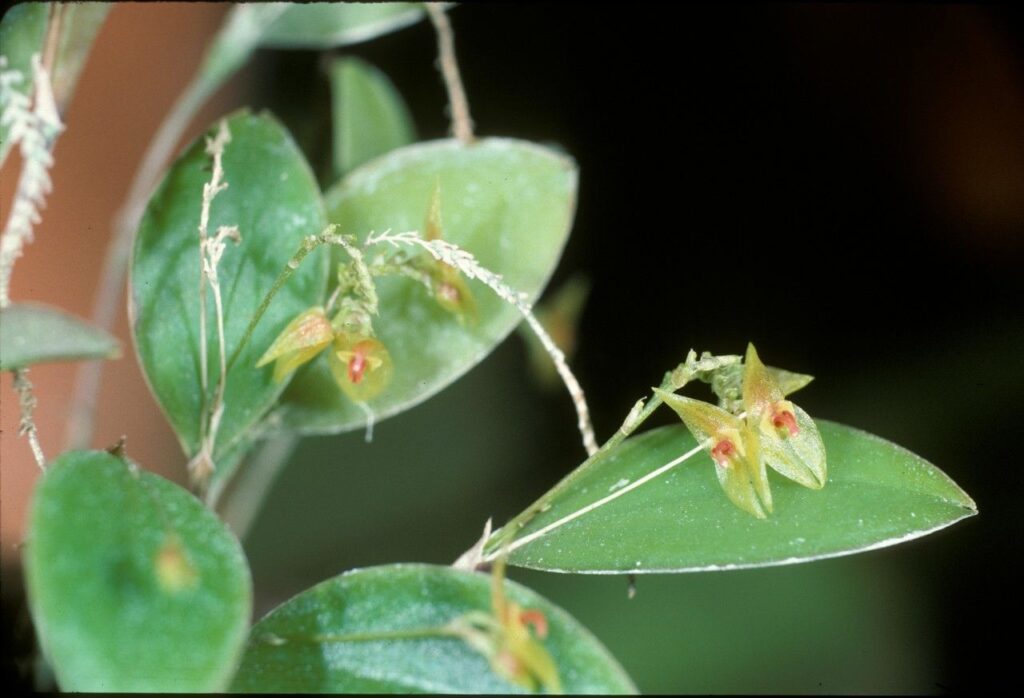
Trident’s Secret: Unveiling the Secrets of Lepanthes tridentata Propagation
The captivating beauty of Lepanthes tridentata, a miniature orchid with its trident-shaped sepals and vibrant hues, often leaves hobbyists wondering about its secrets. More than just a stunning visual, this orchid’s propagation presents a unique challenge. While the process might seem daunting at first, with the right knowledge and a touch of patience, you can unlock the secrets of multiplying your own collection of Lepanthes tridentata.
Understanding the Method: In Vitro Propagation
Lepanthes tridentata is notoriously difficult to propagate through traditional methods like division or cuttings. This is due to its delicate roots and the way it grows. Instead, the preferred method for successful propagation is in vitro culture, commonly referred to as tissue culture.
In vitro propagation relies on sterilizing and culturing plant tissues, like leaf segments, in a controlled environment. This method allows for the controlled growth of new plants from a single piece of the original plant.
The Process: A Guided Tour Through the Lab
Here’s a simplified overview of the in vitro propagation process:
-
Sterilization: Begin by sterilizing the targeted leaf segments and the growth medium using a combination of bleach and alcohol solutions. This step is critical to eliminate any contaminations that can hinder growth.
-
Culture Initiation: The sterilized leaf segments are then placed in a sterile growth medium, typically containing a combination of agar, nutrients, and hormones. This medium provides all the essential elements for the development of new plantlets.
-
Controlled Environment: The culture vessels are sealed and maintained in a controlled environment with specific humidity, temperature, and light levels. These elements are crucial for optimal plant growth.
-
Plantlet Development: As the leaf segments culture, they will gradually develop callus tissues, which eventually differentiate into roots and shoots, forming new plantlets.
- Hardening Off: Once the plantlets have developed sufficiently, they are carefully transferred out of the sterile environment and accustomed to the conditions of a standard greenhouse or your home.
Why Choose In Vitro?
- High Success Rate: In vitro propagation offers a significantly higher success rate compared to other traditional techniques. The controlled environment minimizes fungal and bacterial contamination, ensuring healthy growth.
- Rapid Multiplication: This method enables the rapid multiplication of plants from a single starting material, facilitating the efficient development of a large number of plants.
- Genetic Stability: In vitro propagation helps maintain the genetic integrity of the original plant, ensuring the consistent production of new plants with desirable characteristics.
Where to Find In Vitro Propagation Services
While you can delve into the world of in vitro culture yourself, it’s often more practical to rely on specialized laboratories that offer propagation services. These laboratories have the expertise and resources to handle the process efficiently and guarantee optimal results.
Important Note: Always source your plants from reputable breeders and retailers to ensure their health and proper identification.
Beyond the Lab: Cultivating Your Lepanthes Tridentata
Once you have successfully acquired your Lepanthes tridentata, the journey of cultivating this enchanting orchid begins. Remember to provide adequate humidity, indirect sunlight, and consistent watering – essential for the healthy development and flowering of this stunning miniature orchid.
The beauty of Lepanthes tridentata extends beyond its visual charm; it’s a testament to the wonders of nature and the dedication of its cultivators. Unlocking the secrets of its propagation not only allows for the enjoyment of its captivating presence but also contributes to the preservation and appreciation of this unique and delicate orchid species. With patience, care, and a sprinkle of orchid magic, you can witness the marvels of Lepanthes tridentata in your own home garden.