
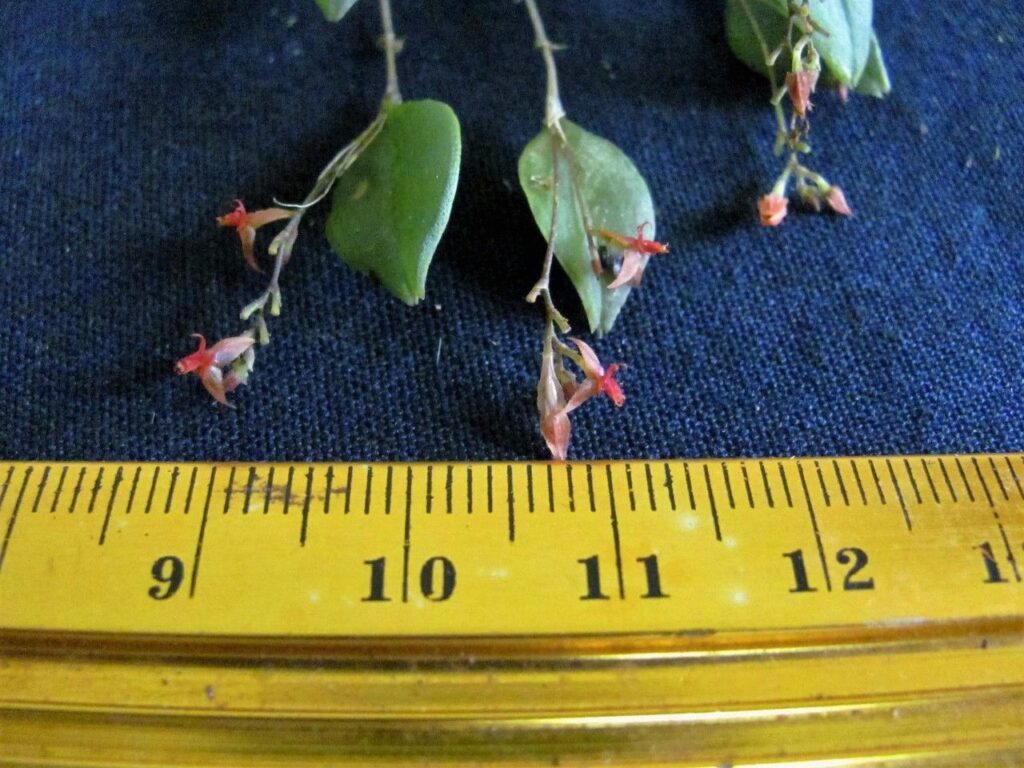
Propagating Lepanthes valerioi: A Gardener’s Challenge
Lepanthes valerioi, a miniature orchid often called the "Valerio’s Lepanthes," captivates orchid enthusiasts with its uniquely shaped, often brilliantly colored flowers. Its diminutive size, intricate floral structure, and relative rarity contribute to its popularity among experienced growers, making successful propagation a significant accomplishment. The plant’s challenging nature, however, makes propagation a rewarding endeavor only for the dedicated and patient.
Seed Germination:
Currently, there are no known reliable methods for seed germination propagation of Lepanthes valerioi. Lepanthes seeds are dust-like and lack endosperm, requiring symbiotic relationships with specific mycorrhizal fungi for germination. These fungi are difficult to cultivate and replicate in a controlled environment, posing a significant hurdle to seed propagation for this species. Further research into the specific fungal partners needed for Lepanthes valerioi germination is needed before this method becomes viable.
Cuttings:
Propagation via cuttings is also generally unsuccessful for Lepanthes valerioi. These orchids don’t readily produce adventitious roots from stem cuttings. While some orchid species can be propagated from leaf cuttings, this method has not been proven effective for this particular species. Attempts at using rooting hormones and various substrates have yielded little to no success.
Division:
Division is the most reliable, albeit limited, method for propagating Lepanthes valerioi. This involves carefully separating a mature plant into multiple smaller divisions, each containing healthy roots and several shoots.
-
Challenges: Lepanthes valerioi has a delicate root system which is easily damaged during division. Overly aggressive division can severely stress or kill the plant. Finding the right moment – when the plant is actively growing but not flowering – is crucial.
-
Practical Tips: Sterile, sharp instruments are essential to minimize damage. Each division should contain a healthy portion of rhizome with at least three actively growing shoots. Use a well-draining, airy medium like sphagnum moss or a mix of bark and charcoal. Provide high humidity and consistent moisture levels after division.
- Rewards: Division offers the quickest way to increase the number of plants. It’s relatively straightforward compared to other methods (if executed correctly), maintaining the genetic characteristics of the parent plant.
Tissue Culture:
Tissue culture holds the most promising, albeit technically demanding, potential for large-scale propagation of Lepanthes valerioi.
-
Challenges: As with many orchids, establishing a sterile culture and finding the ideal nutrient medium for rapid growth and shoot proliferation is a complex process requiring specialized equipment, knowledge of plant tissue culture techniques, and a consistent aseptic environment. The plant’s slow growth rate can also lengthen the process.
-
Practical Tips: Experienced tissue culturists are likely required. Successful protocols necessitate careful experimentation with different growth media formulations and hormone concentrations. Contamination control is paramount.
- Rewards: Tissue culture offers the potential for large-scale multiplication of genetically identical plants, allowing for distribution to a wider range of growers. It also provides an opportunity to eliminate pathogens and produce healthier plants.
Conclusion:
Propagating Lepanthes valerioi presents significant challenges. While division currently offers the most practical approach for the home grower, its limitations in terms of scale are apparent. Tissue culture presents the best hope for larger-scale propagation, but requires extensive specialized knowledge and resources. The difficulty involved underscores the unique satisfaction derived from successfully cultivating and propagating this fascinating miniature orchid. The patient grower willing to invest time, learn from setbacks, and master the delicate art of tending to this temperamental plant will be richly rewarded with the beauty and rarity of Lepanthes valerioi. Don’t be discouraged by the challenges; the journey itself is a testament to the dedication and passion of the orchid enthusiast.