
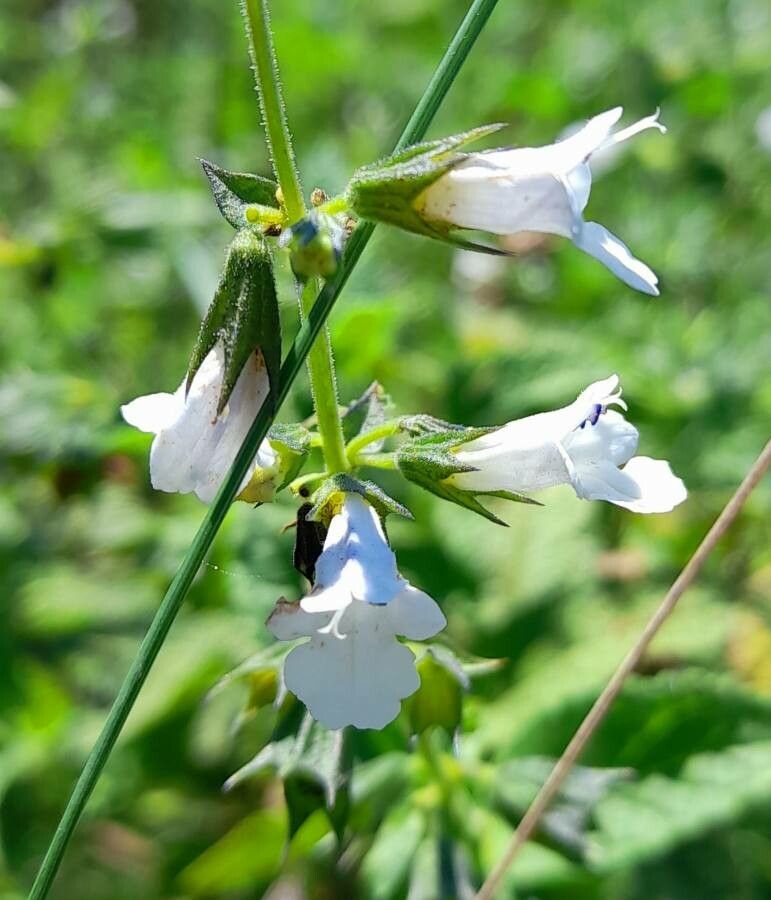
Propagating Lepechinia floribunda: A Gardener’s Guide to the Fragrant Pitcher Sage
Introduction:
Lepechinia floribunda, commonly known as fragrant pitcher sage, is a captivating perennial shrub prized for its aromatic foliage and vibrant, nectar-rich flowers. Its unique, cup-shaped flowers attract pollinators, adding beauty and biodiversity to any garden. While relatively low-maintenance once established, propagation of this desirable plant presents some unique challenges, making successful cultivation all the more rewarding. Its popularity among gardeners stems from its drought tolerance, attractive form, and the intoxicating fragrance emanating from its leaves.
Seed Germination:
Currently, there are no known reliable methods for seed germination propagation of Lepechinia floribunda. While seeds may be produced, their viability and germination rate are extremely low, making this method impractical for most gardeners.
Cuttings:
Cuttings offer a significantly more reliable method for propagating Lepechinia floribunda.
- Challenges: The success rate can vary depending on the timing and technique. Using older, more mature wood can reduce success, while overly young wood may also be less viable.
- Tips: Semi-hardwood cuttings taken in late spring or early summer generally yield the best results. Cuttings should be approximately 4-6 inches long, with the lower leaves removed. Dip the cut ends in rooting hormone to encourage root development. Plant the cuttings in a well-draining propagation mix, keeping the medium consistently moist but not soggy. High humidity is essential; covering the cuttings with a plastic dome or humidity propagator will significantly increase success.
- Rewards: Cuttings provide a relatively quick and straightforward method for multiplying existing plants. It preserves the genetic characteristics of the mother plant, ensuring that new plants mirror its desirable traits.
Division:
Division is a viable method, particularly for established, mature plants.
- Challenges: Dividing Lepechinia floribunda requires careful handling to avoid damaging the roots. Improper division can weaken or even kill the mother plant.
- Tips: The best time for division is during the spring or early fall when the plant is actively growing but not under extreme stress. Dig up the plant carefully, gently separating the root ball into sections, each containing healthy roots and shoots. Replant the divisions immediately, ensuring adequate spacing. Water thoroughly after replanting.
- Rewards: Division is a reliable method for quickly increasing the number of plants, particularly useful for larger, well-established specimens. It’s less technically demanding than tissue culture and avoids the potential challenges of cuttings.
Tissue Culture:
Tissue culture presents a sophisticated technique with potential for large-scale propagation.
- Challenges: This method requires specialized equipment, a sterile environment, and a thorough understanding of plant tissue culture techniques. It’s unlikely to be feasible for the average home gardener.
- Tips: Sterile conditions are crucial. Appropriate media formulation is vital for healthy growth. Successful tissue culture relies on careful manipulation of plant hormones to induce shoot proliferation and root formation.
- Rewards: Tissue culture offers the potential for rapid and large-scale propagation, providing numerous clones from a single plant sample. This is ideal for commercial growers or for preserving rare or endangered cultivars.
Conclusion:
Propagating Lepechinia floribunda presents varying degrees of challenge depending on the chosen method. While seed propagation is currently unreliable, cuttings and division offer viable options for home gardeners. Tissue culture provides a path for large-scale propagation but requires specialized expertise and resources. The rewards, however, are well worth the effort. The unique fragrance and beauty of this plant, coupled with the satisfaction of successfully nurturing it from a cutting or division, make the challenges a worthwhile endeavor for any passionate gardener. Remember patience and persistence are key. Don’t be discouraged by initial setbacks; with careful attention and appropriate techniques, you can enjoy the rewarding experience of propagating and expanding your fragrant pitcher sage collection.