
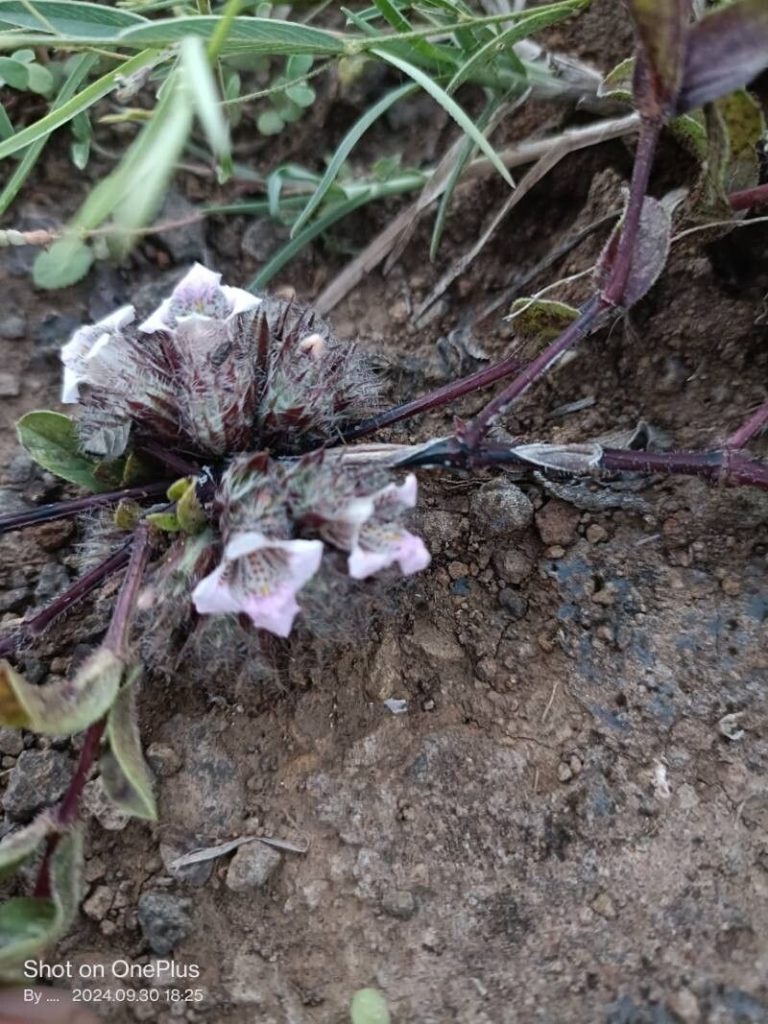
Propagating Lepidagathis trinervis: A Gardener’s Guide
Introduction:
Lepidagathis trinervis, commonly known as the three-nerved Lepidagathis, is a captivating herbaceous perennial prized for its attractive, often purplish-hued foliage and delicate, charming inflorescences. Its relatively low maintenance and unique aesthetic qualities have contributed to its growing popularity among gardeners, though information on its propagation is somewhat limited. This article explores the various methods for propagating this intriguing plant, outlining both the challenges and rewards involved.
Seed Germination:
Currently, there are no known reliable methods for seed germination propagation of Lepidagathis trinervis. While the plant may produce seeds, their viability and germination rate appear to be extremely low, making seed propagation impractical for most gardeners. Further research is needed to determine if specific pre-treatment techniques could improve germination success.
Cuttings:
Challenges: Propagating Lepidagathis trinervis via cuttings presents some challenges, primarily due to the relatively slow rooting rate observed in some cultivars. Success depends heavily on utilizing fresh, healthy cuttings and providing optimal environmental conditions.
Practical Tips: Take semi-hardwood cuttings in spring or early summer. Cuttings should be approximately 4-6 inches long, taken just below a node. Remove lower leaves to prevent rotting and dip the cut end in a rooting hormone powder. Plant cuttings in a well-draining propagation mix (e.g., perlite and peat moss) and maintain high humidity using a humidity dome or plastic bag. Keep the medium consistently moist but not soggy. Rooting may take several weeks to months.
Rewards: Cuttings offer a relatively straightforward method to clone existing plants, preserving desirable traits and ensuring uniformity. It’s a quicker method than division, especially for expanding a small number of plants.
Division:
Challenges: Division is feasible only for mature, well-established plants with a substantial root system. Care must be taken to avoid damaging the roots during the division process, which can negatively impact the success rate.
Practical Tips: Division is best done in spring or early autumn. Carefully dig up the mature plant and gently separate it into smaller clumps, ensuring each division has sufficient roots and healthy shoots. Replant the divisions immediately in well-prepared soil, ensuring proper spacing. Water thoroughly after planting.
Rewards: Division allows for quick multiplication of existing plants and is generally more successful than cuttings. It’s a relatively simple technique once the plant is large enough for division.
Tissue Culture:
Challenges: Tissue culture is a more complex and technically demanding method requiring specialized equipment, sterile conditions, and expertise in plant tissue culture techniques. It can be costly to set up and maintain.
Practical Tips: This method requires a controlled environment with sterile media and growth regulators. Explant selection is crucial. Sterilization procedures must be meticulously followed to prevent contamination. Specific growth regulators and culture media formulations would need to be experimentally determined for optimal results with Lepidagathis trinervis.
Rewards: Tissue culture offers the potential for mass propagation, allowing for the large-scale production of genetically identical plants. It also allows for the preservation of rare or endangered cultivars.
Conclusion:
Propagating Lepidagathis trinervis presents a unique set of challenges across all methods explored. While seed propagation seems currently unviable, cuttings and division offer feasible, albeit potentially slow, options for the home gardener. Tissue culture offers the potential for large-scale propagation, but requires specialized skills and resources. The satisfaction derived from successfully propagating this beautiful plant, overcoming the obstacles involved, is a reward in itself. Aspiring propagators are encouraged to experiment with cuttings and division, starting with healthy, vigorous plants and providing the ideal conditions for root development and establishment. Remember patience is key, and celebrating even small successes along the way is vital to maintaining enthusiasm throughout the process.