
Seeding Success: A Guide to Propagating Field Pepperwort (Lepidium campestre)
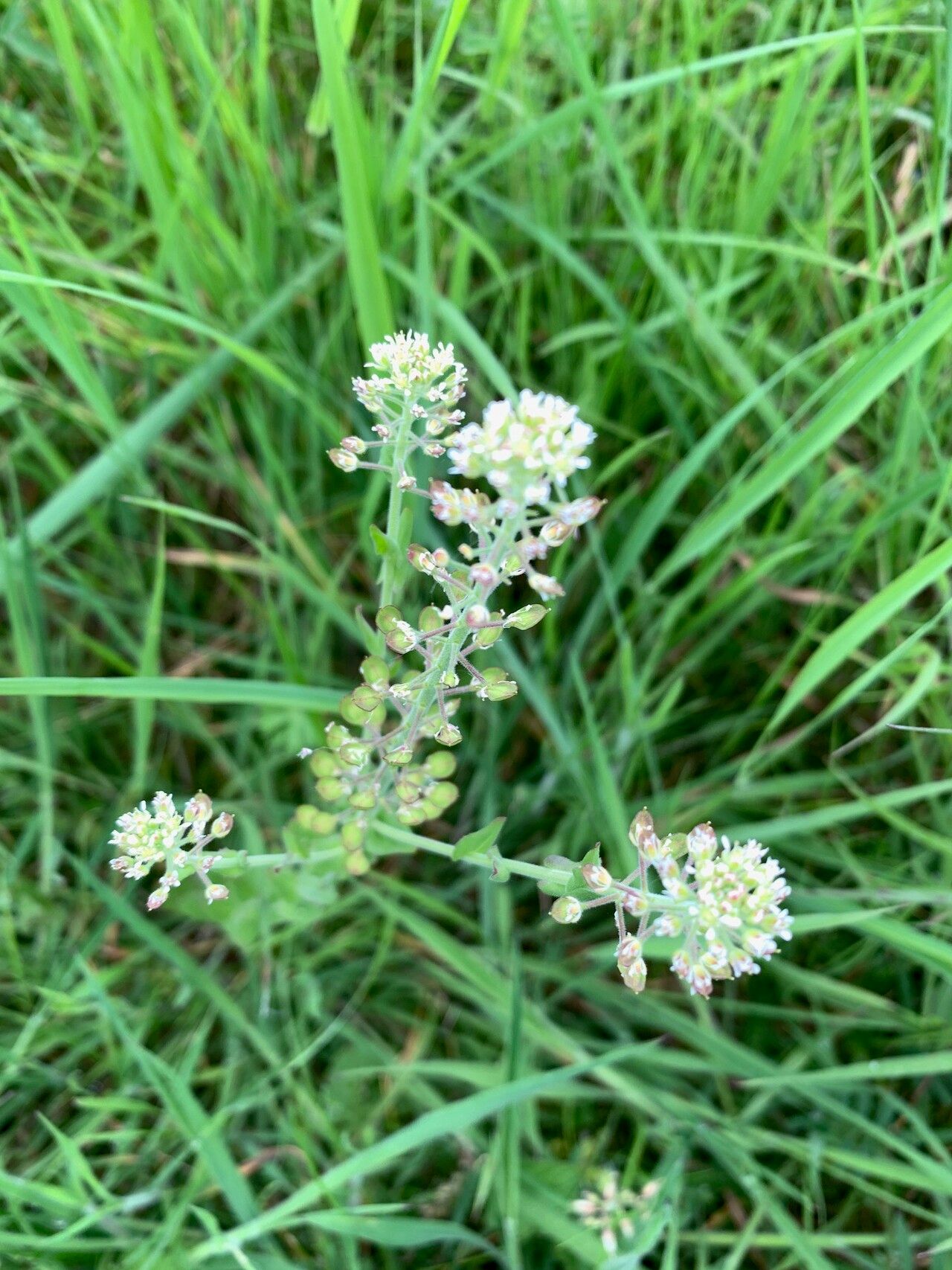
Field pepperwort (Lepidium campestre), despite its somewhat unassuming name, is a fascinating plant with a unique beauty. It’s a biennial wildflower native to Europe and Asia, but it has also naturalized in North America. With its delicate white flowers and distinctive seed pods that resemble little hearts, it adds a touch of whimsical charm to gardens and natural spaces alike.
If you’re interested in introducing this charming plant to your own garden, propagation through seeds is the way to go. Here’s a comprehensive guide to ensure your field pepperwort propagation journey is a fruitful one:
1. Seed Collection:
The best time to collect field pepperwort seeds is in mid to late summer when the heart-shaped seed pods have turned brown and papery. You can either collect the pods directly from the plant or wait until they naturally disperse the seeds.
2. Seed Preparation:
Field pepperwort seeds don’t require any special treatment before sowing. However, if you’ve collected seed pods, you’ll need to gently crush them to release the seeds inside.
3. Sowing Time:
Field pepperwort seeds are best sown outdoors in the fall. This allows the seeds to experience the natural chilling period of winter, which aids in germination.
4. Sowing Location and Method:
- Location: Choose a spot in your garden that receives full sun to partial shade. Field pepperwort thrives in well-drained soil.
- Direct Sowing: Scatter the seeds thinly over the soil surface. You don’t need to bury them; just gently press them into the soil for good contact.
5. Watering:
Water the sown area gently but thoroughly. Keep the soil consistently moist, but avoid overwatering, which can cause the seeds to rot.
6. Germination:
Don’t expect instant results! Field pepperwort seeds germinate slowly and may take several weeks or even until spring to sprout.
7. Thinning:
Once the seedlings emerge and have a few sets of true leaves, you can thin them out to provide adequate spacing for growth. Aim for a spacing of 6-12 inches between plants.
8. Ongoing Care:
Field pepperwort is relatively low-maintenance once established. Water occasionally during dry spells but avoid overwatering. While it can tolerate poor soil conditions, amending the soil with compost will promote healthier growth and more abundant blooms.
Bonus Tip: Field pepperwort is a biennial, meaning it completes its life cycle in two years. In its first year, it forms a rosette of leaves close to the ground. In the second year, it produces its charming flower stalks and then sets seed before dying. To ensure continuous blooms year after year, allow some plants to go to seed in your garden. They will self-sow readily, providing you with a beautiful display of field pepperwort for seasons to come.
Propagating field pepperwort is a rewarding experience that allows you to connect with nature’s subtle beauty. By following these simple steps, you can cultivate this charming wildflower in your own backyard and enjoy its delicate blooms and whimsical seed pods.