
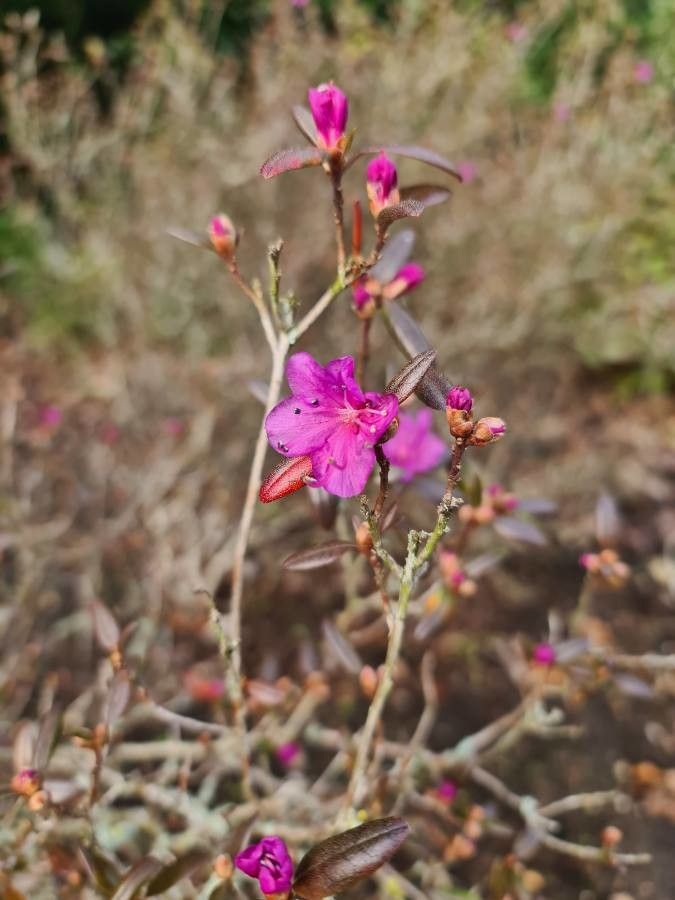
Unlocking the Secrets of Sea Lavender Propagation: A Guide to Growing Limoniastrum guyonianum
Limoniastrum guyonianum, more affectionately known as sea lavender, is a captivating plant that brings a touch of coastal charm to gardens. Its delicate purple blooms and resilience against salt and drought make it a favorite for seaside landscapes and xeriscaping projects alike. But did you know that propagating this beauty is an achievable feat, even for beginner gardeners?
This guide will delve into the secrets of successfully propagating Limoniastrum guyonianum, allowing you to multiply your stock and share the joy of this resilient plant.
Two Paths to Propagation:
Sea lavender can be propagated through two primary methods:
Seed Propagation:
- Collection: Collect ripe seeds from mature plants in late summer or early fall. Look for dried flower heads containing small, dark seeds.
- Sowing: Start seeds indoors 6-8 weeks before the last frost. Sow seeds in a well-draining seed-starting mix, barely covering them.
- Conditions: Provide warmth (around 70°F) and consistent moisture.
- Transplanting: Once seedlings are a few inches tall and all danger of frost has passed, harden them off gradually before transplanting them outdoors.
Cuttings:
- Timing: Take softwood cuttings in spring or semi-hardwood cuttings in late summer.
- Selection: Choose healthy, non-flowering stems. Softwood cuttings should be 4-6 inches long, while semi-hardwood cuttings can be slightly longer.
- Preparation: Remove lower leaves to prevent rotting, leaving a few leaves at the top.
- Rooting Hormone (Optional): Dip the cut end in rooting hormone to encourage faster root development.
- Planting: Insert cuttings into a pot filled with a well-draining mix of peat moss and perlite or sand.
- Environment: Keep cuttings in a humid environment. A cloche or clear plastic bag placed over the pot can help retain moisture.
- Transplanting: After several weeks, gently tug on the cuttings to check for resistance. Resistance indicates root growth. Once roots are established, transplant cuttings into individual pots or directly into the garden.
Tips for Success:
- Well-Draining Soil: Sea lavender thrives in well-drained soil. Amend heavy soils with sand or grit to improve drainage.
- Sunlight Requirements: Provide at least 6 hours of direct sunlight daily.
- Watering: Water deeply but infrequently, allowing the soil to dry out slightly between waterings. Established plants are quite drought-tolerant.
- Fertilizing: While not a heavy feeder, light fertilization in spring can benefit growth.
- Pruning: Deadhead spent flowers to encourage bushier growth and prevent self-seeding if desired.
Rewards of Patience:
Propagating Limoniastrum guyonianum requires a bit of patience, but the rewards are well worth the effort. With some basic knowledge and a bit of care, you can multiply your collection of these charming plants and create a stunning display that evokes the tranquility of the coast.