
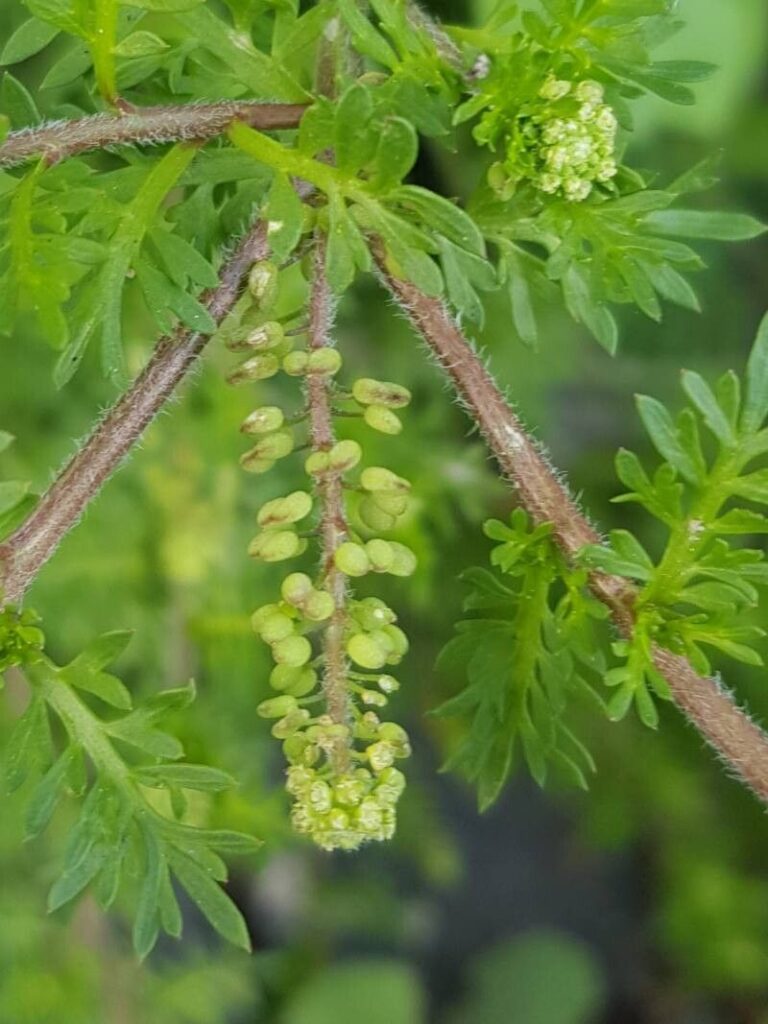
Taming the Wild: How to Propagate “Peppergrass” (Lepidium didymum)
“Peppergrass” (Lepidium didymum), a common wildflower, might seem like an unwanted weed to some, but it’s actually a fascinating and versatile plant with a surprisingly easy-to-propagate nature. This blog post will delve into the secrets of growing your own Peppergrass, whether for culinary use, a vibrant green addition to your landscape, or simply for the challenge of cultivating this resilient plant.
The Power of Seeds:
Peppergrass thrives on seeds. If you’ve ever noticed the tiny, round seed pods clinging to its stems, you’ve seen the key to its abundance.
- Harvesting Seeds: Collect the seed pods when they turn brown and dry. The pods will easily crumble when touched, releasing the tiny seeds.
- Storing Seeds: Spread the seeds on a paper towel or tray and let them dry thoroughly in a warm, airy place for a few days. Once dry, store the seeds in a cool, dry, and dark location for future use.
The Art of Direct Sowing:
Peppergrass is a champion of self-seeding, but with a little TLC, you can control its proliferation and enjoy even more of its vibrant growth.
- Timing is Key: The best time to sow Peppergrass seeds is in the spring or fall after the last frost. Direct sowing directly into the soil is ideal.
- Prepare the Ground: Choose a sunny spot with well-drained soil. Peppergrass adapts to various soil types but prefers loose and fertile ones. Lightly rake the soil surface, creating shallow furrows.
- Planting Process: Scatter the seeds thinly within the furrows and cover them with a thin layer of soil. Water gently, ensuring the seeds stay moist but not saturated.
The Magic of Cuttings:
Beyond seed propagation, Peppergrass can also be propagated through cuttings, adding another dimension to its versatility.
- Timing is Essential: The best time for taking cuttings is in the spring or early summer when the plant is actively growing.
- Selecting the Cuttings: Choose healthy, non-flowering stems with several nodes. Cut a section of stem that includes at least two nodes.
- Preparing the Cuttings: Remove the leaves from the bottom node. Dip the cut end in rooting hormone for an extra boost.
- Planting the Cuttings: Carefully insert the cuttings into individual pots or a seed tray filled with moist seed-starting mix. Ensure the buried node is adequately submerged.
Care Tips for Success:
Peppergrass is a relatively low-maintenance plant, but a bit of care goes a long way.
- Watering: Ensure the soil stays moist, especially when the cuttings are rooting. Water deeply but less frequently.
- Sunlight: Provide plenty of sunlight to encourage healthy growth.
- Fertilizer: Peppergrass doesn’t need much fertilizer. A light application of compost or balanced fertilizer during the growing season can be beneficial.
- Harvesting: Harvest the leaves for culinary use regularly throughout the growing season. This encourages new growth and prolongs the plant’s life.
Embracing the Peppergrass:
“Peppergrass” (Lepidium didymum) isn’t just a wildflower; it’s a gateway to understanding the resilient nature of our natural world. By embracing its simple propagation methods, you’ll not only have a healthy dose of this versatile plant in your garden but also appreciate the magic that lies within even the smallest seeds. So, why wait? Give Peppergrass a chance to surprise you, and unlock the joys of growing your own bounty.