
Propagating the Desert Broom: A Guide to Cultivating Lepidospartum latisquamum
Introduction:
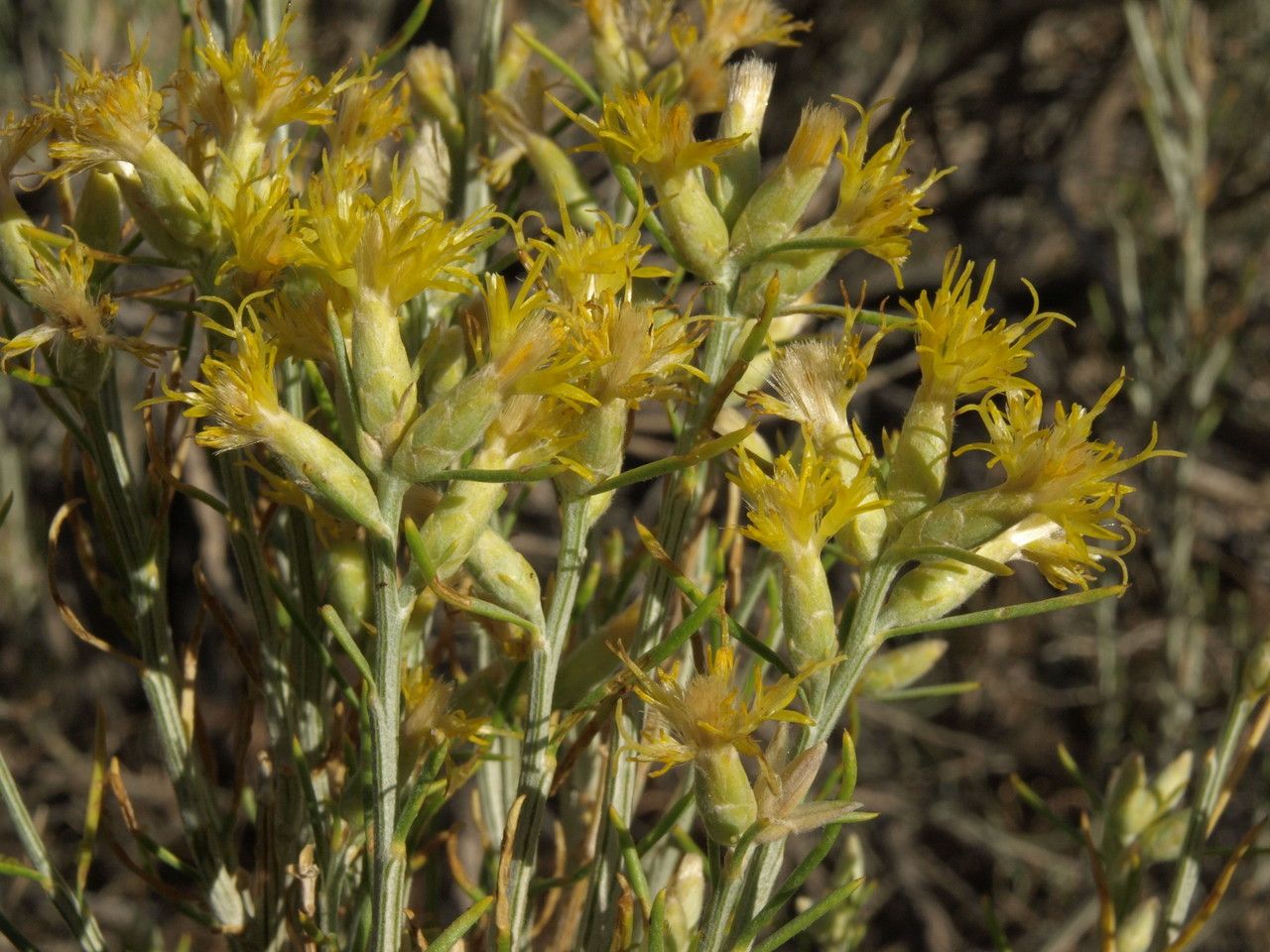
Lepidospartum latisquamum, commonly known as the Desert Broom, is a captivating shrub native to arid regions of the southwestern United States. Its beauty lies in its delicate, silvery-green foliage and its profusion of bright yellow flowers, which bloom in spring, adding a vibrant splash of color to the often-stark desert landscape. This resilience and striking appearance have made it increasingly popular among gardeners seeking drought-tolerant and low-maintenance landscaping solutions. However, propagating Lepidospartum latisquamum presents some unique challenges, making successful cultivation a rewarding endeavor for the dedicated plant enthusiast.
Seed Germination:
Currently, there are no known reliable methods for seed germination propagation of Lepidospartum latisquamum. While seeds may be produced, their dormancy mechanisms and germination requirements remain largely unstudied. Further research is needed to determine if specific pre-treatments (such as scarification or stratification) might improve germination rates.
Cuttings:
Cuttings offer a potentially viable method for propagating Lepidospartum latisquamum.
Challenges: The woody nature of the stems makes rooting cuttings challenging. Success rates may be relatively low.
Practical Tips: Semi-hardwood cuttings taken in late summer or early fall, using a sharp, clean blade, show the most promise. The cuttings should be treated with a rooting hormone to stimulate root development. A propagation mix consisting of perlite and vermiculite, maintained consistently moist but not waterlogged, is recommended. High humidity, provided through a humidity dome or plastic bag, is crucial for successful rooting.
Rewards: Successfully rooted cuttings retain the genetic characteristics of the parent plant, offering a reliable method for propagating desirable cultivars. This method is generally more efficient than seed propagation where germination rates are unknown.
Division:
Division is generally not a feasible method for propagating Lepidospartum latisquamum. The plant’s root system is typically quite deep and not easily separated without significant damage, often resulting in the death of the divisions.
Tissue Culture:
Tissue culture offers a potential avenue for large-scale propagation of Lepidospartum latisquamum, though it requires specialized equipment and expertise.
Challenges: Establishing aseptic conditions and selecting appropriate media are crucial challenges. The optimal growth regulators and culture conditions for Lepidospartum latisquamum would need to be determined through experimentation.
Practical Tips: Small shoot or node explants would likely be the best source of material for tissue culture. Sterilization protocols must be meticulously followed to prevent contamination. Specialized tissue culture media with appropriate plant growth regulators would be necessary.
Rewards: Tissue culture has the potential to generate a large number of genetically identical plants in a relatively short period, crucial for large-scale propagation or conservation efforts.
Conclusion:
Propagating Lepidospartum latisquamum presents a unique set of challenges across all common methods. While seed propagation currently proves unreliable, cuttings offer a more promising, though still tricky, approach for home gardeners. Tissue culture presents the best chance for mass production but requires significant resources and expertise. The rewards, however, are considerable: the successful cultivation of these beautiful desert shrubs brings a deep sense of satisfaction, a testament to perseverance and horticultural skill. The difficulties involved only serve to amplify the joy of witnessing these hardy plants thrive under your care. Don’t be discouraged by initial setbacks. Experimentation and patience are key to mastering the propagation techniques of this captivating desert native.