
Taming the California Broom: A Guide to Propagating Lepidospartum squamatum
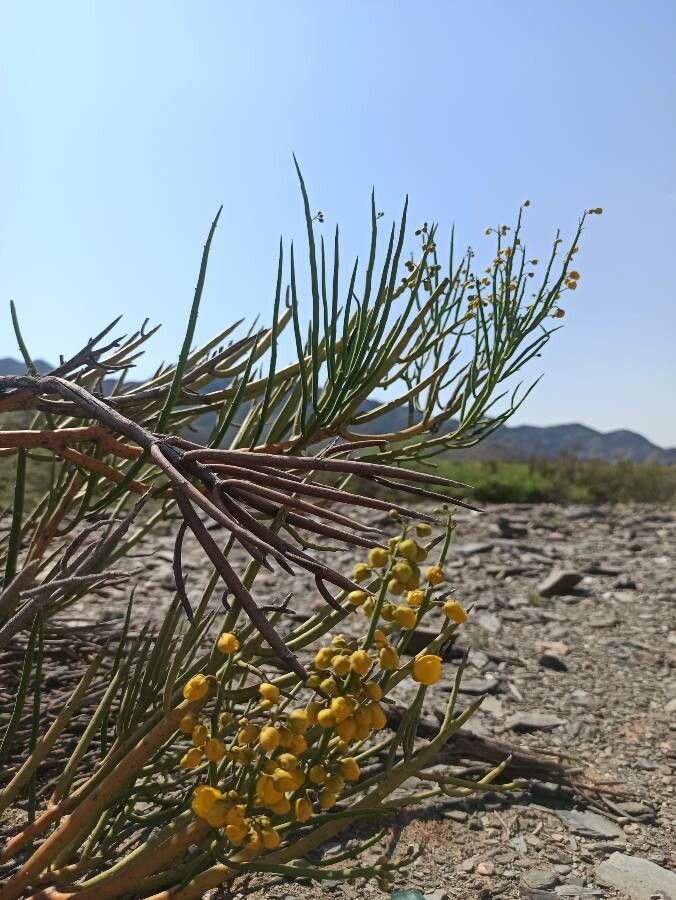
Lepidospartum squamatum, known commonly as California broom or scalebroom, is a fascinating plant native to the western United States. With its unique, almost alien appearance and ability to thrive in challenging conditions, it’s gaining popularity among adventurous gardeners. But how do you bring this wild beauty into your garden? Let’s delve into the art of propagating Lepidospartum squamatum.
Understanding the Plant:
Before we jump into propagation, it’s helpful to know a little about this plant’s unique nature. Lepidospartum squamatum is a deciduous shrub, meaning it sheds its leaves seasonally. During the summer months, it drops its small, scale-like leaves, relying on photosynthesis through its green stems. This adaptation allows it to conserve water and survive in arid environments.
Methods of Propagation:
Propagating Lepidospartum squamatum takes a bit of patience, but the rewards of successfully establishing this unique plant are well worth it. Here are the two most effective methods:
1. Seed Propagation:
- Collecting Seeds: The plant produces small, wind-dispersed seeds within fluffy capsules. Collect these capsules when they turn brown and dry, typically in late summer or early fall.
- Sowing: Sow the seeds in a well-draining seed-starting mix, just barely covering them. Water gently and keep the soil consistently moist.
- Germination: Germination can be erratic and may take several weeks or even months. Be patient! Placing the seed trays in a warm, sunny location can help speed up the process.
- Transplanting: Once seedlings are a few inches tall with a well-established root system, they can be transplanted into individual pots or directly into the ground.
2. Cutting Propagation:
- Taking Cuttings: Take cuttings from healthy, mature branches in the late spring or early summer when the plant is actively growing. The ideal cutting should be 4-6 inches long and taken from new growth.
- Preparing the Cuttings: Remove the leaves from the bottom inch or two of the cutting. Dip the cut end in rooting hormone powder to encourage root development (optional but recommended).
- Planting the Cuttings: Plant the cuttings in a well-draining rooting medium, such as a mix of perlite and vermiculite. Keep the medium consistently moist.
- Rooting: It may take several weeks for roots to develop. You can test for root development by gently tugging on the cutting. If there’s resistance, roots are forming.
- Transplanting: Once roots are well-established, the cuttings can be transplanted into individual pots or directly into the ground.
Tips for Success:
- Well-Draining Soil: Lepidospartum squamatum is highly susceptible to root rot if the soil remains waterlogged. Ensure excellent drainage by amending the soil with sand or gravel if needed.
- Plenty of Sunlight: This sun-loving plant thrives in full sun to partial shade. Choose a location in your garden that receives at least 6 hours of direct sunlight daily.
- Patience is Key: Don’t be discouraged if propagation doesn’t happen overnight. Be patient, provide optimal conditions, and your efforts will be rewarded with healthy Lepidospartum squamatum plants.
Bringing a Touch of the Wild:
Successfully growing Lepidospartum squamatum from seed or cuttings is a rewarding experience for any plant enthusiast. This resilient and striking plant adds an element of wild beauty to xeriscapes, drought-tolerant gardens, and even containers. So why not embark on the adventure of propagation and welcome this captivating California native into your outdoor space?