
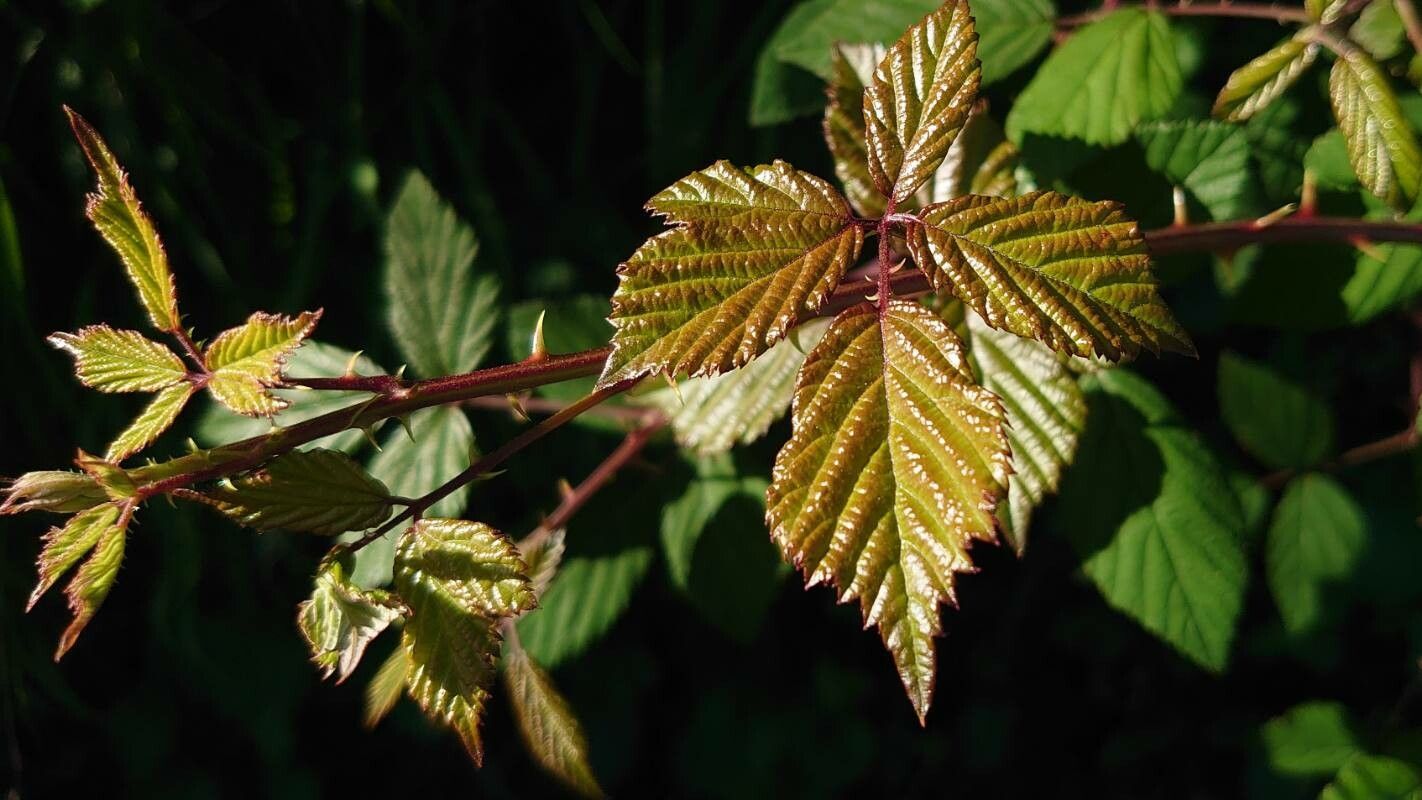
Unearthing the Secrets of Wineberry Propagation: Grow Your Own Taste of the Wild
Wineberry (Rubus bertramii) – with its charming name and even more delightful flavor – is a treasure trove for foraging enthusiasts. But why just hunt for this wild raspberry cousin when you can easily invite its charm right into your garden? Propagating wineberries isn’t just possible, it’s surprisingly simple, allowing even novice gardeners to enjoy this taste of the wild year after year.
In this article, we’ll unlock the secrets of successfully propagating Rubus bertramii using three easy methods:
1. The Art of Layering: Letting Nature Take Root
Layering is a propagation technique that draws inspiration from the plant’s natural tendencies. Wineberries, like other raspberries, have a knack for producing roots wherever their canes touch the ground. We can use this to our advantage!
Here’s how:
- Choose a healthy cane: Select a flexible, arching cane in late summer or early fall.
- Prepare the ground: Choose a spot near the mother plant and loosen the soil, adding compost for good measure.
- Bury the tip: Bend the cane down and bury the tip a few inches into the soil, using a rock or landscape staple to secure it.
- Wait and watch: In a few months, the buried portion should develop roots. By the following spring, you can carefully sever the new plant from the parent and transplant it.
2. Cuttings: A Faster Track to New Beginnings
If you’re looking for a quicker method, cuttings are the way to go. This technique involves taking a section of the stem and encouraging it to develop roots independently.
Follow these steps:
- Take your cuttings: In late spring or early summer, select healthy, non-flowering canes. Using sharp, sterile pruning shears, take 6-8 inch cuttings, making the cut just below a leaf node.
- Prepare the cuttings: Remove the lower leaves, leaving only 2-3 at the top. Dip the cut end in rooting hormone (optional but recommended).
- Potting and care: Plant the cuttings in a pot filled with a well-draining seed-starting mix. Keep the soil consistently moist and provide indirect sunlight.
- Transplanting: After a few weeks, gently tug on the cutting. Resistance means roots have formed! You can then transplant your rooted cuttings to their final location outdoors.
3. Seed Starting: A Slower, More Rewarding Journey
Propagating from seed takes more time and patience, but it allows you to witness the magic of a plant’s life cycle from the very beginning.
Here’s the approach:
- Collect ripe berries: In late summer, collect ripe, plump wineberries. Crush the berries gently and rinse away the pulp to reveal the seeds.
- Cold stratification: Wineberry seeds need a period of cold treatment to germinate. Mix the seeds with a bit of damp peat moss, place them in a sealed bag, and store them in your refrigerator for 2-3 months.
- Sowing: In early spring, sow the seeds in seed trays filled with a seed-starting mix. Cover them lightly with soil and keep the soil consistently moist.
- Transplanting: Once the seedlings are a few inches tall and the danger of frost has passed, you can transplant them to their permanent outdoor home.
Reaping the Rewards – A Bounty of Wild Flavors
No matter which method you choose, successfully propagating your own Rubus bertramii plants is an accomplishment worth celebrating. Not only will you enjoy a plentiful supply of these delectable berries, but you’ll also be playing a part in preserving a unique and flavorful piece of our natural heritage. So go forth, propagate, and savor the fruits (literally!) of your labor!