
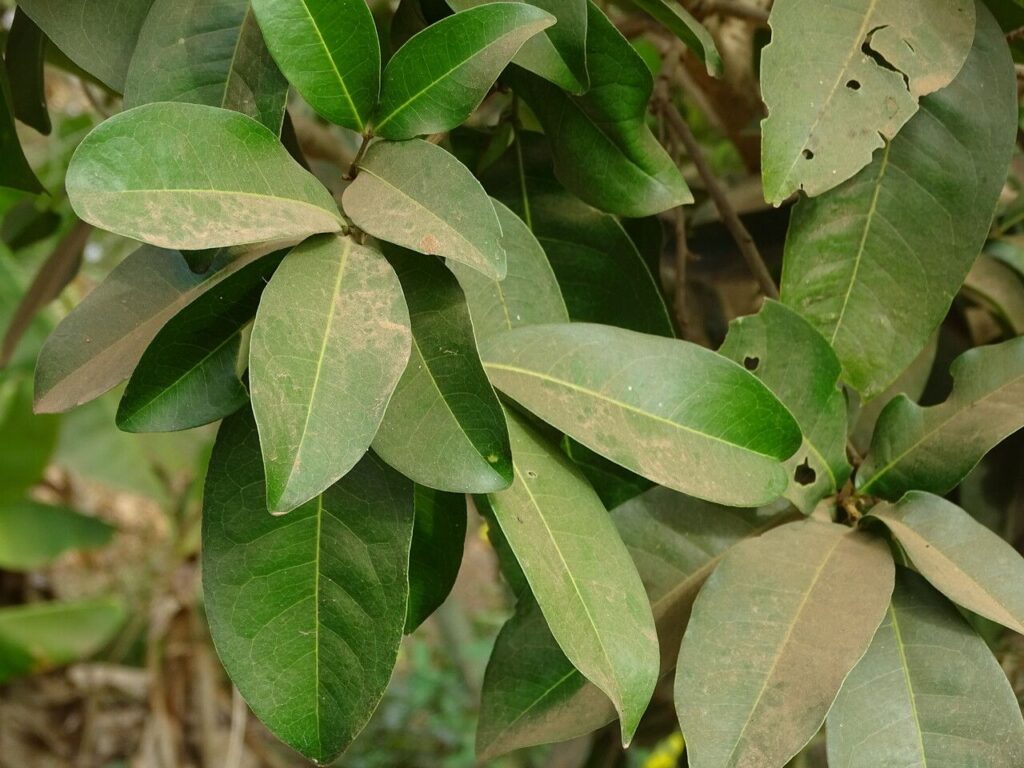
From Seed to Success: Propagating African Pepper Plants (Lepisanthes senegalensis)
African Pepper (Lepisanthes senegalensis) – a name that conjures up images of spicy, flavorful dishes and the exotic landscapes of Africa. But beyond its culinary and ornamental uses, this unique tree offers a fascinating opportunity for plant enthusiasts: propagation.
Propagating your own African Pepper plant is a rewarding experience that allows you to share this incredible species with others or simply expand your own green space. But before you dive into the world of seedlings and cuttings, let’s explore the best methods to ensure success.
1. The Power of Seeds:
African Pepper seeds are the most common way to start new plants. These seeds are easily collected from ripe fruits, which resemble small, fleshy berries. Here’s how to get started:
- Harvest Time: Wait for the fruits to turn a deep purple or black, signaling maturity.
- Extraction: Carefully remove the seeds from the pulp, ensuring they are clean and free of debris.
- Drying: Allow the seeds to air-dry in a shaded, well-ventilated area for a few days until they achieve a slightly leathery texture.
- Planting: Seeds can be sown directly into pots filled with a well-draining seed mix or a shallow seed tray. Lightly cover the seeds with soil and mist them regularly to maintain moisture.
- Germination: African Pepper seeds typically take several weeks to germinate under ideal conditions. Patience is key!
2. Rooting Success with Cuttings:
For those seeking a faster way to propagate, stem cuttings offer a viable option. Here’s how to make the most of this method:
- Timing is Key: The best time for taking cuttings is during the active growing season, typically in spring or early summer.
- Selection: Choose healthy, non-flowering stems from the current year’s growth.
- Preparation: Use sharp, sterilized shears to make a clean cut below a leaf node (where leaves emerge from the stem).
- Rooting Hormone: Dip the cut end of the stem in rooting hormone, which will stimulate root development.
- Planting: Insert the cuttings into a well-draining potting mix and create a mini greenhouse environment by covering the container with a plastic dome or bag.
- Patience: Consistent moisture and indirect sunlight are crucial for root development. Keep the cuttings in a warm, humid location until roots emerge, typically within a few weeks.
3. Factors to Remember:
- Climate: African Pepper thrives in warm, tropical climates. Ensure your chosen propagation method aligns with your local climate.
- Sunlight: These plants need ample sunlight. Choose a location that gets at least 6 hours of direct sunlight daily.
- Soil: Well-drained, slightly acidic soil with a pH of 5.5 – 6.5 is ideal for African Pepper.
- Watering: Water regularly, but avoid overwatering, as it can lead to root rot. Allow the top layer of soil to dry slightly between waterings.
4. A Taste of African Flavor:
Propagating your own African Pepper plants is a rewarding endeavor. Not only will you have a thriving plant, but you’ll also be able to enjoy the unique flavors of this exotic spice. The berries can be eaten fresh or dried and ground into a powder, adding a distinct peppery kick to your favorite dishes.
Whether you choose to start from seed or utilize cuttings, propagating African Pepper is a worthwhile experience. With care, patience, and the right techniques, you’ll soon have a flourishing plant that brings a taste of Africa to your home and garden.