
Unveiling the Secrets: Propagating the Exotic Lepisorus Excavatus Fern
The Lepisorus excavatus, with its captivating strappy fronds and intriguing texture, is a fern that whispers of ancient forests and whispers of exotic lands. Native to the Eastern Himalayas, it adds a touch of the untamed to any plant lover’s collection. But how do you invite more of this botanical wonder into your life? The answer lies in the fascinating world of propagation.
While the idea might seem daunting at first, propagating Lepisorus excavatus is surprisingly achievable, even for beginners. This guide will equip you with the knowledge to successfully multiply your fern and witness its enchanting growth firsthand.
Two Paths to Propagation
Lepisorus excavatus offers two primary methods of propagation – division and spores.
1. Division: A Simple Approach
Division is the easiest and most reliable way to propagate this fern. This method takes advantage of the plant’s natural growth habit of forming clumps.
- Timing is Key: Spring, just as new growth emerges, is the ideal time for division.
- The Process:
- Gently remove the fern from its pot.
- Using clean, sharp scissors or a knife, carefully separate the rhizome (the horizontal underground stem) into sections. Ensure each section has a good amount of roots and at least two to three fronds attached.
- Plant each division in individual pots filled with well-draining soil mix.
- Water thoroughly and place in a warm, humid environment with indirect light.
2. Spores: A Journey of Patience
For the more adventurous, propagating Lepisorus excavatus through spores offers a rewarding, albeit slower, experience.
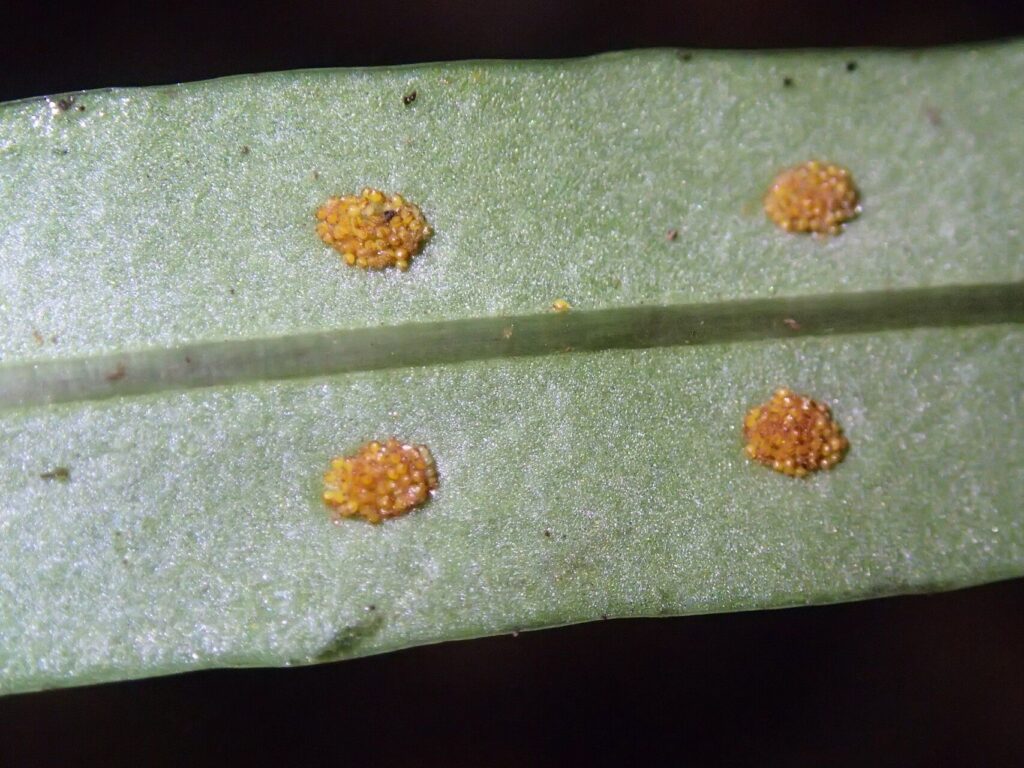
- Spotting the Signs: Mature fronds will develop small, brown structures called sori on their undersides. These house the spores.
- Gathering the Spores:
- Carefully remove a frond with mature sori.
- Place the frond in a paper bag and allow it to dry for a few days. The spores will naturally release from the frond.
- Sowing the Spores:
- Prepare a seed tray filled with moist, sterile seed starting mix.
- Sprinkle the spores over the surface, ensuring they are not clumped together.
- Mist lightly with water and cover the tray with a clear plastic lid to maintain humidity.
- Place the tray in a warm, shaded location away from direct sunlight.
- Germination and Beyond: It can take several weeks to a few months for spores to germinate. Once they sprout and develop into small plantlets with a couple of sets of leaves, they can be carefully transplanted into individual pots.
Nurturing New Life
Whether you choose division or spores, the care for your newly propagated Lepisorus excavatus remains crucial for successful establishment. These ferns thrive in:
- Indirect light: Avoid direct sunlight, which can scorch their delicate fronds.
- High humidity: Regularly misting the plants or placing them on a humidity tray will keep them thriving.
- Well-draining soil: A mix specifically formulated for ferns or orchids works best.
- Consistent moisture: Keep the soil consistently moist but not waterlogged.
Propagating your Lepisorus excavatus is more than just multiplying your plant collection. It’s a satisfying journey of observation, learning, and nurturing. It’s a chance to connect with nature’s intricate processes and witness the miracle of new life unfold right before your eyes.