
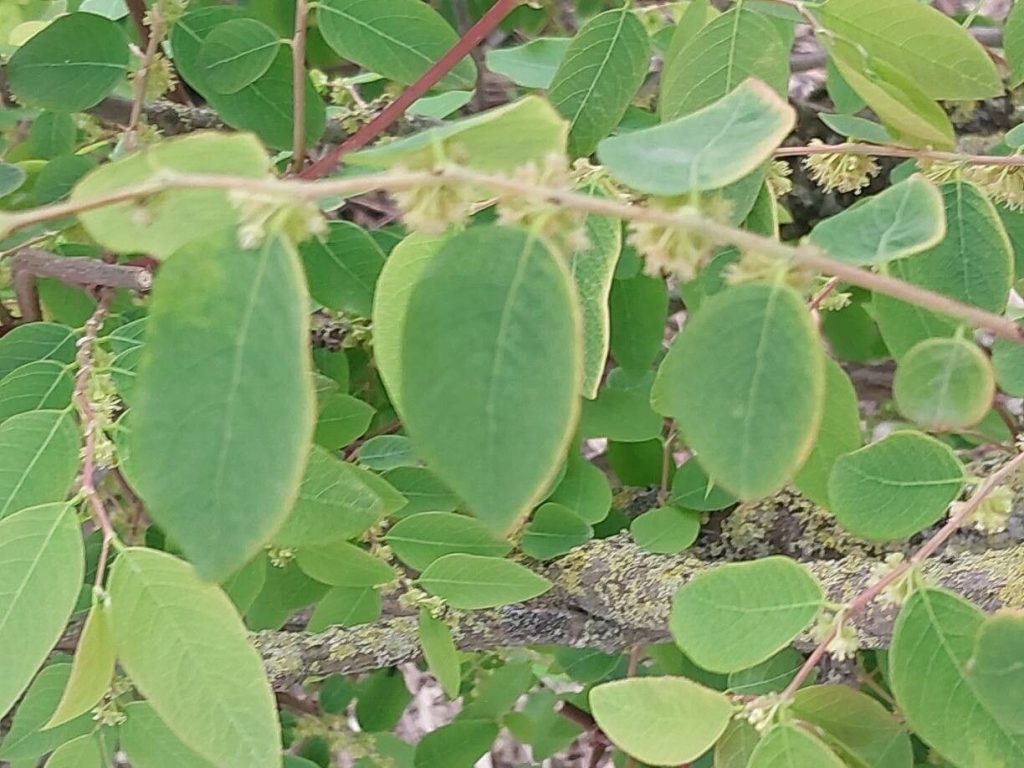
Propagating Leptopus chinensis: A Gardener’s Guide
Leptopus chinensis, often known as Chinese Leptopus or simply Leptopus, is a fascinating and relatively underutilized plant in horticulture. Characterized by its graceful, wiry stems, delicate foliage, and often-showy berries, it offers a unique textural element to gardens. Its adaptability to a range of conditions, combined with its intriguing appearance, makes it increasingly popular amongst gardeners seeking something a little different. However, propagating Leptopus chinensis presents certain challenges, requiring a dedicated approach. This article explores several propagation methods, outlining their feasibility and providing practical advice.
Seed Germination:
Currently, there are no known reliable methods for seed germination propagation of Leptopus chinensis. While the plant produces seeds, germination rates are extremely low, even under optimal conditions. Further research into specific germination requirements, such as scarification or cold stratification, is needed before this method can be considered viable for widespread propagation.
Cuttings:
Cuttings offer a more promising avenue for propagating Leptopus chinensis. Semi-hardwood cuttings, taken in late summer or early autumn, demonstrate the best success rate.
Challenges: Root development can be slow and inconsistent. The success rate depends significantly on maintaining high humidity and appropriate temperatures. Using a rooting hormone can improve results.
Practical Tips: Take cuttings of approximately 10-15 cm length, removing lower leaves to prevent rot. Use a well-draining propagation mix, such as a blend of perlite and peat moss. Maintain high humidity by covering the cuttings with a clear plastic bag or dome. Mist regularly to prevent dehydration. Place the cuttings in bright, indirect light to aid growth.
Rewards: Cuttings offer a relatively straightforward method for producing genetically identical plants. This is particularly useful for preserving desirable traits found in a specific mother plant.
Division:
Division is a relatively simple technique for increasing the number of Leptopus chinensis plants, provided the mother plant is sufficiently mature and well-established.
Challenges: Dividing the root system too aggressively can damage the plant and reduce its vigor. The success of division is dependent on the health and size of the mother plant.
Practical Tips: Ideally, perform division in spring or early autumn when the plant is actively growing or preparing for new growth. Carefully dig up the mother plant, separating the root ball into several sections, each with a sufficient root system and healthy stems. Replant the divisions immediately, ensuring good soil contact and adequate watering.
Rewards: Division allows for quick multiplication of existing plants without relying on seed germination or lengthy cutting propagation. This is a valuable method for quickly expanding a collection.
Tissue Culture:
Tissue culture offers a potential, albeit more technically demanding, method for the mass propagation of Leptopus chinensis.
Challenges: Requires specialized equipment, a sterile environment, and expertise in tissue culture techniques. Developing a suitable media composition for optimal growth and shoot multiplication can present a significant challenge.
Practical Tips: Consult literature on tissue culturing similar species for guidance on media formulations and optimal growth conditions. Maintaining sterile conditions is crucial to prevent contamination. Employ skilled technicians experienced in tissue culture protocols.
Rewards: Tissue culture allows for rapid and large-scale propagation, enabling the production of a significant number of plants from a single sample. It also holds the potential to eliminate diseases and produce disease-free plants.
Conclusion:
Propagating Leptopus chinensis presents unique challenges across all discussed methods. While seed germination is currently unreliable, cuttings and division offer viable avenues for propagation, with cuttings providing better control over genetic uniformity. Tissue culture holds promise for large-scale production but requires specialized expertise and resources. The rewards of successfully cultivating this intriguing plant, whether through the relative simplicity of division or the technical mastery of tissue culture, are immense. The satisfaction of nurturing a cutting to a mature plant, or successfully establishing a tissue culture line, provides a potent testament to dedication and horticultural skill. For aspiring propagators, perseverance, careful attention to detail, and a willingness to experiment will undoubtedly lead to success in cultivating this unique and beautiful plant.