
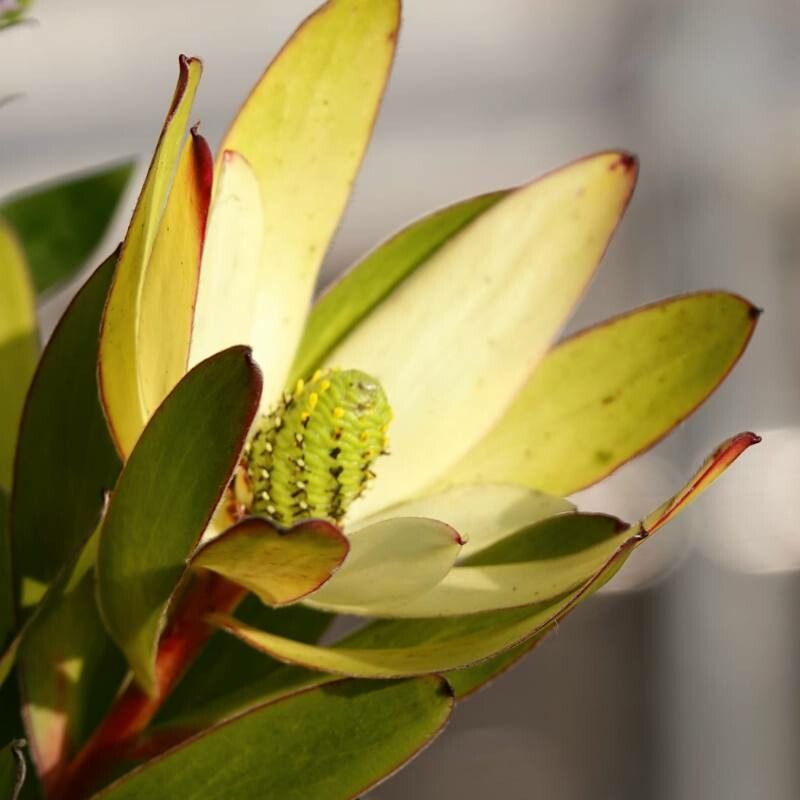
Taming the Conebush: A Guide to Propagating Leucadendron strobilinum
The Leucadendron strobilinum, more affectionately called the “Conebush” for its distinctive cone-shaped blooms, is a South African native prized for its unique beauty and intriguing textures. While it’s a showstopper in any garden setting, propagating this stunning plant can seem daunting to even experienced gardeners. Fear not! With a little patience and the right techniques, you can successfully grow new Conebushes and share their charm.
Understanding the Conebush:
Before diving into propagation, it’s helpful to know a bit about the plant itself. Leucadendron strobilinum are evergreen shrubs known for their vibrant, long-lasting bracts (modified leaves that resemble petals) surrounding the true, inconspicuous flowers. These plants prefer well-drained, slightly acidic soil and thrive in sunny locations. Understanding their needs will give your new propagations the best possible start.
Two Paths to Propagation:
There are two primary methods for propagating Leucadendron strobilinum:
1. Seed Propagation:
- Timing is Key: Sow seeds in late winter or early spring when temperatures are cool.
- Prepare the Seedbed: Use a well-draining seed starting mix and sow seeds at a depth of about ¼ inch.
- Keep it Consistent: Maintain moderate moisture and provide bright, indirect light.
- Be Patient: Germination can take several weeks, and seedlings will grow slowly initially.
2. Cutting Propagation:
- The Right Cut: Take semi-hardwood cuttings from healthy, established plants in late summer or early fall.
- Preparation is Key: Remove the lower leaves from the cutting and wound the base slightly to encourage rooting.
- Hormone Help: Dip the wounded end in rooting hormone powder to stimulate root development.
- Create the Ideal Environment: Plant the cutting in a well-draining rooting medium and place it in a warm, humid environment.
- Patience is a Virtue: Rooting can take several weeks to a few months.
Nurturing Your New Plants:
Once your cuttings or seedlings have developed a good root system, gradually acclimate them to outdoor conditions. Transplant them into larger pots or directly into the garden once they become root-bound, ensuring the chosen location meets their specific light and soil requirements.
Tips for Success:
- Sterility Matters: Use sterile tools and potting mix to prevent fungal diseases.
- Don’t Overwater: Leucadendron strobilinum are susceptible to root rot, so allow the soil to dry slightly between waterings.
- Fertilize Lightly: Feed with a balanced, slow-release fertilizer during the growing season.
- Pruning Promotes Growth: Regularly remove spent blooms and prune lightly to maintain shape and encourage bushier growth.
The Joys of Sharing:
Propagating your own Leucadendron strobilinum is a rewarding experience. Not only will you expand your own garden with these unique plants, but you’ll also have the joy of sharing this captivating species with fellow plant enthusiasts. So, embrace the challenge and discover the fulfilling world of Conebush propagation!