
Propagating Shasta Daisies (Leucanthemum maximum): A Gardener’s Guide
Introduction:
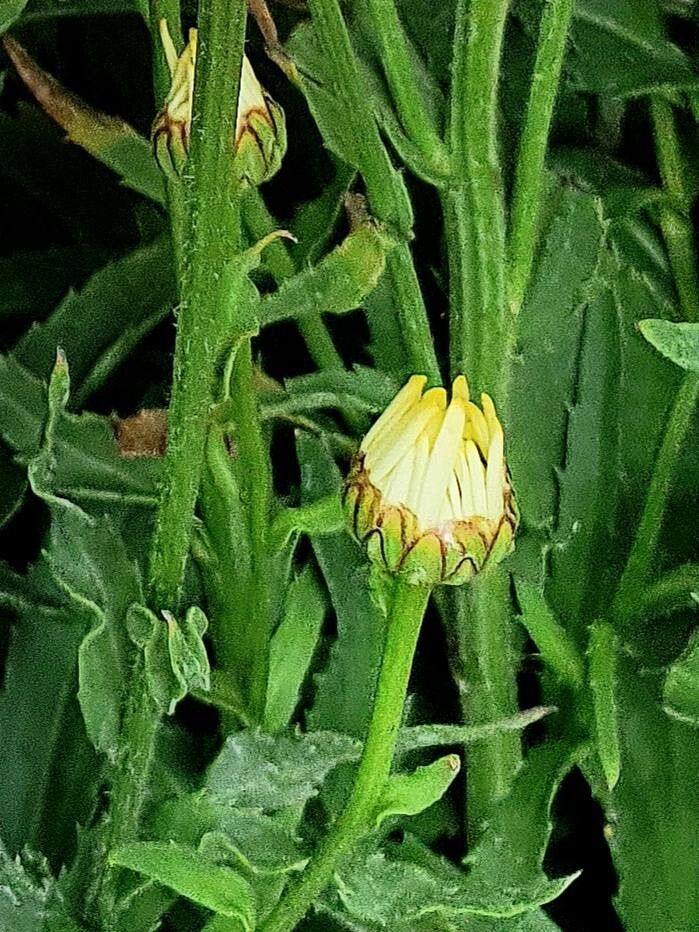
Leucanthemum maximum, commonly known as the Shasta daisy, is a beloved perennial flowering plant prized for its large, showy white flowers with a bright yellow center. Its robust nature, relatively low maintenance, and long blooming season make it a staple in many gardens worldwide. While readily available commercially, propagating Shasta daisies offers a rewarding experience for keen gardeners, allowing for the creation of new plants and the preservation of desirable cultivars. However, propagation can present some unique challenges depending on the chosen method.
Seed Germination:
Currently, there are no known reliable methods for seed germination propagation of Leucanthemum maximum. Shasta daisies often produce fertile seed, but germination rates are notoriously low and unpredictable. Even under ideal conditions, the resulting seedlings may exhibit significant variation from the parent plant, making seed propagation unsuitable for preserving specific traits.
Cuttings:
Challenges: Rooting Shasta daisy cuttings can be challenging. Success relies heavily on timing and technique. Older, woody stems root poorly.
Practical Tips: Take semi-hardwood cuttings in late spring or early summer. Use cuttings from healthy, non-flowering stems, approximately 4-6 inches long. Remove lower leaves to prevent rotting and dip the cut ends in rooting hormone. Plant cuttings in a well-draining potting mix, maintaining high humidity (e.g., using a humidity dome or propagating tray). Consistent moisture is crucial, but avoid overwatering which can lead to rot.
Rewards: Cuttings offer a relatively straightforward method to produce genetically identical plants, preserving the characteristics of a particularly desirable cultivar. It’s ideal for smaller-scale propagation.
Division:
Challenges: Division is best carried out in spring or autumn, when the plant is actively growing or becoming dormant. Dividing a Shasta daisy too frequently or roughly can weaken the plant.
Practical Tips: Carefully dig up the mature Shasta daisy clump. Use a sharp knife or spade to separate the clump into smaller sections, each with its own roots and several healthy stems. Replant the divisions immediately, ensuring adequate spacing for future growth.
Rewards: Division is arguably the easiest and most reliable method of propagation for Shasta daisies. It allows for rapid multiplication of desirable plants and is less technically demanding than other methods.
Tissue Culture:
Challenges: Tissue culture is a technically demanding method requiring specialized equipment, sterile conditions, and expertise in plant tissue culture techniques. It’s not a practical method for home gardeners.
Practical Tips: This method is typically reserved for commercial propagation and research purposes, utilizing specialized laboratories and techniques to achieve rapid multiplication of plants from small tissue samples.
Rewards: Tissue culture offers the capacity for very large-scale propagation, producing thousands of identical plants from a small amount of starting material. It’s also advantageous for disease elimination and the production of disease-free plants.
Conclusion:
Propagating Leucanthemum maximum offers a range of challenges and rewards depending on the chosen method. While seed propagation proves unreliable, cuttings and division offer viable alternatives for home gardeners, each with its own set of advantages and disadvantages. Tissue culture represents a high-tech approach best suited for large-scale commercial operations. The unique satisfaction of cultivating Shasta daisies from cuttings or divisions, witnessing their growth from small pieces to robust flowering plants, is a testament to the gardener’s patience and skill. The effort invested is handsomely rewarded by the beauty and longevity of these magnificent plants. Even with potential setbacks, the persistent gardener will find the rewards well worth the effort.