
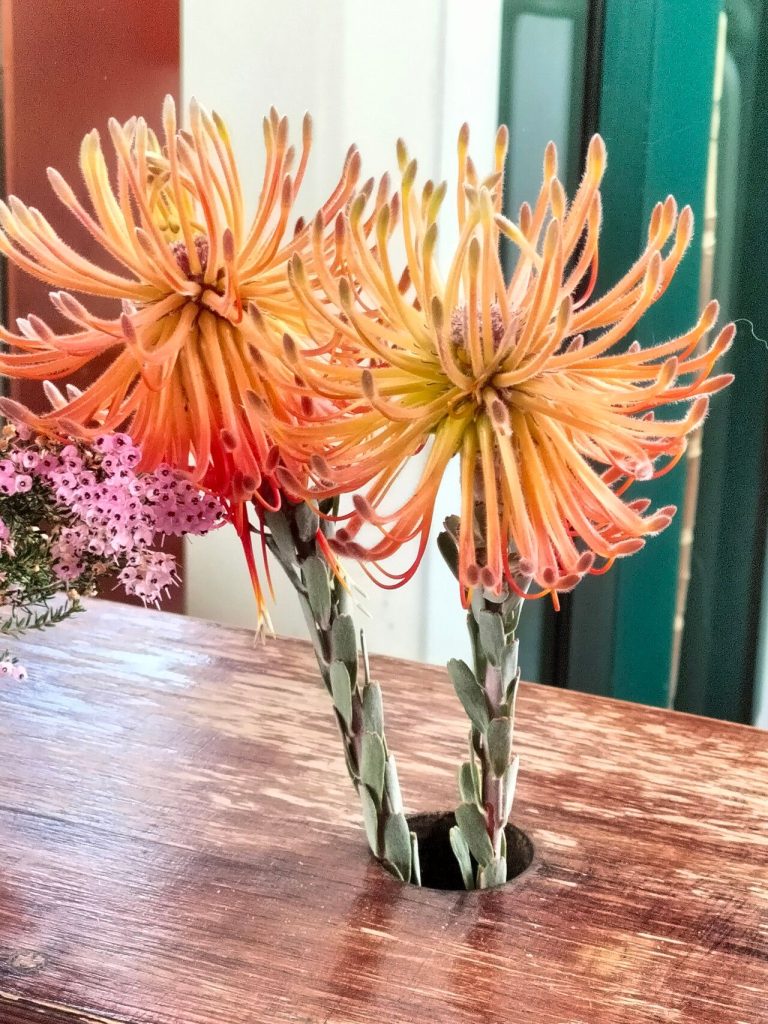
Propagating Leucospermum reflexum: A Gardener’s Guide to the Reflexed Pincushion
Leucospermum reflexum, commonly known as the Reflexed Pincushion, is a captivating South African shrub renowned for its vibrant, eye-catching flower heads. These unique blooms, resembling pincushions adorned with spiky, reflexed (curved backward) bracts, are available in shades of orange, yellow, and red, making them highly coveted by gardeners worldwide. The plant itself is relatively low-maintenance once established, but propagation presents a unique set of challenges, primarily due to its specific environmental requirements and recalcitrant nature. Its popularity amongst enthusiasts, however, fuels continued experimentation with diverse propagation techniques.
Seed Germination:
Currently, there are no known reliable methods for seed germination propagation of Leucospermum reflexum. While seeds may be produced, their viability is often low, and successful germination rates are incredibly inconsistent. Further research is needed to determine optimal conditions, including potential stratification techniques or treatments that might improve germination success. This lack of seed propagation viability limits genetic diversity and prevents large-scale cultivation through this method.
Cuttings:
Cuttings represent a more viable method for propagating Leucospermum reflexum. However, it’s still considered challenging.
Challenges: The success rate depends heavily on several factors including the timing of the cutting (semi-hardwood cuttings taken in late spring or early summer are generally preferred), the use of rooting hormone, and maintaining consistently high humidity levels. Leaf rot and fungal infections are common problems.
Practical Tips: Use sharp, sterilized tools to take cuttings of about 8-10cm, removing lower leaves to prevent rotting. Dip the cut end in a rooting hormone powder and plant them in a well-draining medium like a mix of perlite and vermiculite. Cover the cuttings with a plastic dome or propagator to maintain high humidity and place them in bright, indirect light. Mist regularly to keep the medium moist, but not soggy.
Rewards: Successfully propagated cuttings offer a faster way to obtain identical clones of the parent plant, preserving desirable traits.
Division:
Division is generally not a feasible method for propagating Leucospermum reflexum. The plant’s root system isn’t particularly conducive to division, and attempting to separate it often results in damage and loss of the plants.
Tissue Culture:
Tissue culture offers a potential, albeit sophisticated and resource-intensive, method for propagating Leucospermum reflexum.
Challenges: Establishing sterile conditions and finding the optimal growth media and hormone regime are crucial for success. This method requires specialized equipment, expertise, and a controlled environment.
Practical Tips: This technique necessitates a controlled laboratory setting. Experienced tissue-culture technicians can initiate cultures from small plant segments, using appropriate growth regulators to stimulate shoot proliferation and root development.
Rewards: Tissue culture allows for mass propagation of genetically identical plants and opens opportunities for disease eradication.
Conclusion:
Propagating Leucospermum reflexum presents a significant challenge to even experienced horticulturalists. While seed germination is currently unreliable, cuttings offer a more practical, although not always successful, route. Division is not recommended. Tissue culture represents a highly effective but specialized method. The difficulties enhance the sense of accomplishment when successfully cultivating this remarkable plant. The unique beauty of the Reflexed Pincushion, however, makes the effort worthwhile. For aspiring propagators, persistence, meticulous attention to detail, and a willingness to experiment with different techniques are key to success. Don’t be discouraged by initial setbacks – the rewards of successfully propagating this stunning plant are truly fulfilling.