
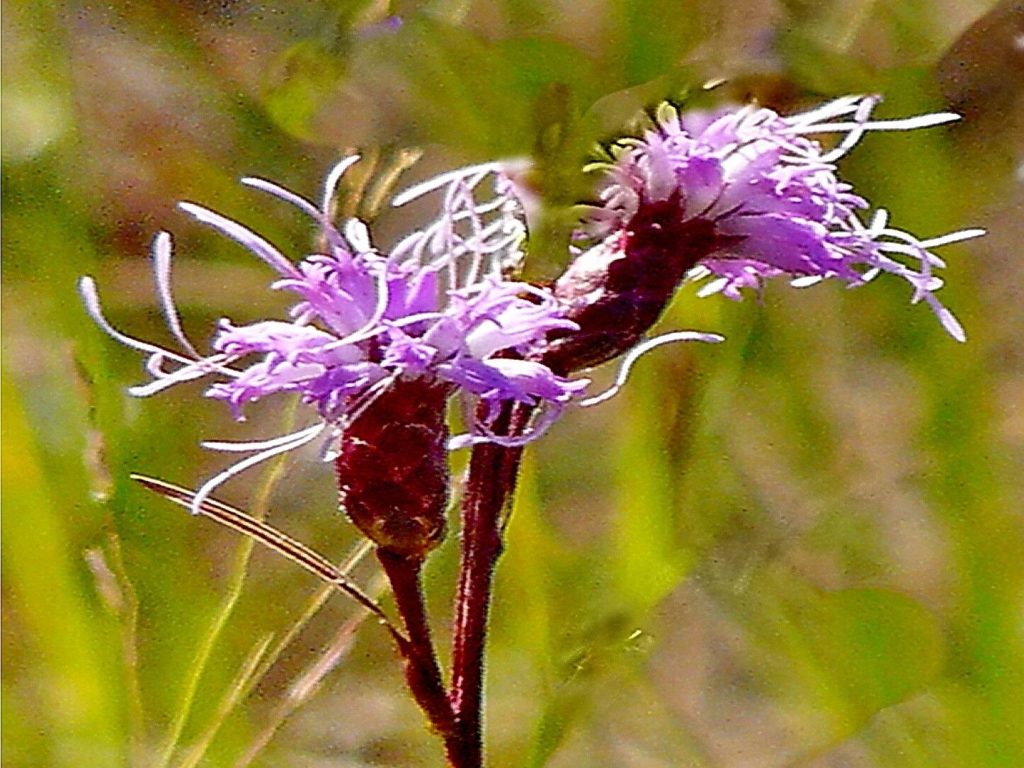
Propagating Liatris cylindracea: Bringing the Blazing Star to Life
Liatris cylindracea, commonly known as prairie blazing star or dense blazing star, is a captivating North American native perennial prized for its tall, elegant spires adorned with fluffy, purplish-pink flower heads. Its late summer blooms attract pollinators, adding a stunning vertical element to meadows, gardens, and wildflower plantings. While readily available from nurseries, the propagation of this striking plant presents unique challenges and rewards, making the process both fulfilling and instructive for the dedicated gardener.
Seed Germination:
Currently, there are no known reliable methods for seed germination propagation of Liatris cylindracea. While seeds may be produced, their germination rate is exceptionally low, and successful seedling establishment is rarely reported. The challenges likely involve dormancy mechanisms within the seed itself, making commercially viable seed propagation impractical.
Cuttings:
Propagating Liatris cylindracea from cuttings offers a more achievable, albeit moderately challenging, approach.
-
Challenges: Liatris can be slow to root from cuttings. Success depends heavily on using fresh, healthy basal stem cuttings taken in spring or early summer from actively growing shoots. Root rot is a potential issue if conditions are too wet.
-
Practical Tips: Take 4-6 inch stem cuttings, removing lower leaves to prevent rot. Dip the cut ends in a rooting hormone powder before planting in a well-draining propagation mix (e.g., perlite and peat moss). Maintain consistently moist (not soggy) conditions and high humidity, perhaps employing a humidity dome or propagating under a plastic bag. Bottom heat can improve rooting success.
-
Rewards: Cuttings offer a reliable way to produce genetically identical clones of a desirable mother plant, preserving traits like flower color and plant habit. It’s relatively straightforward once mastered, even allowing for propagation on a moderate scale for personal use.
Division:
Division is perhaps the most reliable and practical method for propagating Liatris cylindracea.
-
Challenges: Liatris plants need to be relatively mature (at least 3 years old) to be successfully divided. Care must be taken to avoid damaging the roots during division.
-
Practical Tips: Divide the plant in early spring or fall when the plant is dormant. Dig up the entire clump carefully, and using a sharp, clean knife or spade, separate it into smaller sections, ensuring each section has healthy roots and several growing points. Replant immediately into well-prepared soil, spacing according to the mature size of the plant.
-
Rewards: Division offers the quickest and most effective way to increase the number of Liatris plants, preserving the genetic characteristics of the parent plant. It’s relatively low-risk compared to other methods, achieving high success rates with minimal specialized equipment.
Tissue Culture:
Tissue culture is a viable but highly specialized method for propagating Liatris cylindracea.
-
Challenges: This technique requires sterile laboratory conditions, specialized equipment, and experience in plant tissue culture protocols. It’s generally not a feasible option for home gardeners.
-
Practical Tips: This method involves sterilizing plant tissue (meristems) and culturing them on a nutrient-rich agar medium. Specific protocols for Liatris cylindracea would require research on optimal media formulations and growth regulators.
-
Rewards: Tissue culture allows for mass propagation of genetically uniform plants, disease-free stock, and rapid multiplication of rare or desirable cultivars.
Conclusion:
Propagating Liatris cylindracea presents unique challenges, but the rewards are well worth the effort. While seed propagation is currently not viable, division provides the most accessible and successful method for home gardeners. Cuttings offer a viable alternative with practice, while tissue culture remains a specialized approach best suited for commercial or research settings. The satisfaction of nurturing a small section of a mature plant into a thriving, flowering specimen, or coaxing a cutting to root, is profoundly rewarding, demonstrating patience, observation, and the mastery of horticultural skills needed to cultivate this stunning prairie wildflower. For aspiring propagators, start with division; embrace the process, learn from any setbacks, and enjoy the beauty of your own successfully propagated prairie blazing stars.