
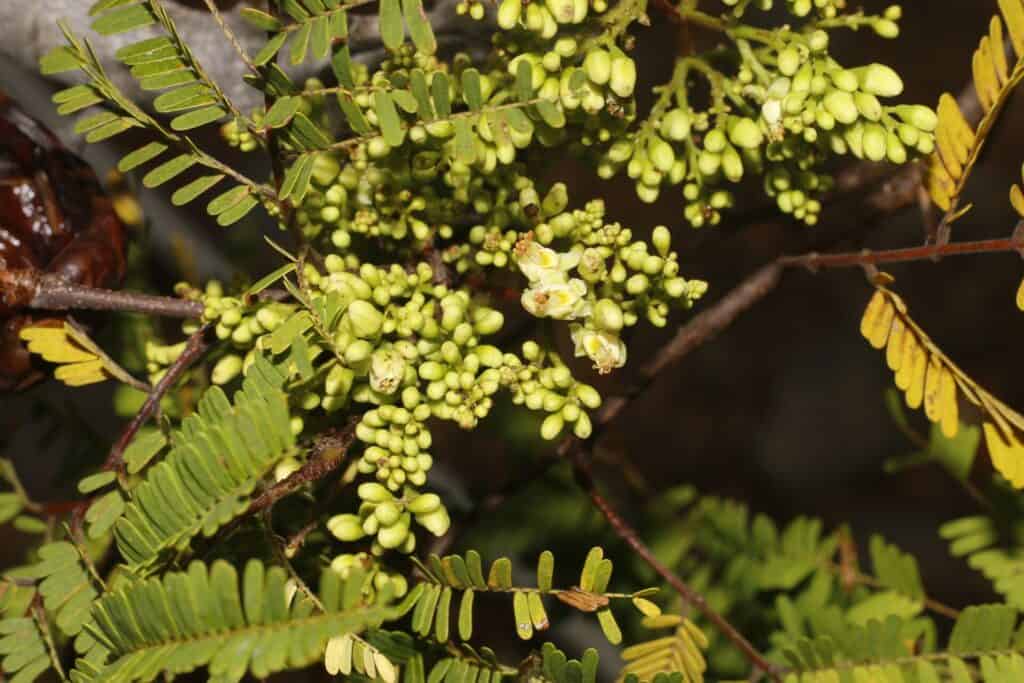
Unlocking the Secrets of Divi-divi: A Guide to Propagating Libidibia coriaria
The Divi-divi tree (Libidibia coriaria), with its whimsical, windswept silhouette and vibrant springtime blooms, is a striking addition to any landscape. Native to the Caribbean, this hardy tree is praised for its drought tolerance and ability to thrive in coastal conditions. Interested in growing your own divi-divi? This guide will unlock the secrets to successfully propagating this unique tree.
Two Paths to Propagation:
While divi-divi trees produce abundant seeds, propagation primarily occurs through two methods: seeds and cuttings.
1. The Seed Route: A Test of Patience
Divi-divi seeds are encased in attractive, twisted pods that lend the tree its unique charm. While readily available, these seeds require a bit of patience and preparation to germinate.
- Scarification is Key: The tough outer shell of divi-divi seeds necessitates scarification to enhance water absorption and encourage germination. You can achieve this by gently rubbing the seed coat with sandpaper or nicking it with a sharp knife.
- Soaking for Success: After scarification, soak the seeds in warm water for 24 hours. This softens the seed coat further and jumpstarts the germination process.
- Planting with Care: Plant the soaked seeds in a well-draining seed-starting mix, burying them about half an inch deep. Keep the soil consistently moist but not waterlogged.
- Patience is a Virtue: Divi-divi seeds can take anywhere from a few weeks to several months to germinate. Don’t lose hope! Providing warmth and adequate moisture will increase your chances of success.
2. Taking the Cutting Edge:
Propagating divi-divi from cuttings offers a faster route to establishing a new tree. This method utilizes the tree’s natural ability to regenerate from woody stems.
- Timing is Everything: Take your cuttings during the cooler months, ideally from healthy, mature branches. Choose sections approximately 6-8 inches long with several nodes (small bumps where leaves emerge).
- Prepare your Cuttings: Remove leaves from the lower third of the cutting to prevent rot. Dip the cut end in rooting hormone powder to encourage root development.
- Plant and Protect: Insert the treated end of the cutting into a pot filled with a well-draining potting mix. Place the pot in a warm, shaded location and ensure the soil remains consistently moist.
- Rooting for Success: It may take several weeks for cuttings to develop roots. A gentle tug will reveal if rooting has occurred. Once roots are established, gradually acclimate the new plants to outdoor conditions before transplanting.
Nurturing Your Divi-divi:
No matter which propagation method you choose, young divi-divi trees thrive in full sun and well-drained soil. They are drought-tolerant once established but benefit from regular watering during their first year.
More than just a Pretty Face:
Beyond its ornamental value, the divi-divi tree holds cultural and practical significance. Its durable wood is used for crafts and construction, while the tannin-rich seed pods have been traditionally used in leather tanning.
Propagating your own divi-divi is a rewarding experience that allows you to connect with nature and cultivate a piece of the Caribbean’s beauty in your own backyard. With a little patience and the right knowledge, you can enjoy the distinctive elegance of this resilient tree for years to come.