
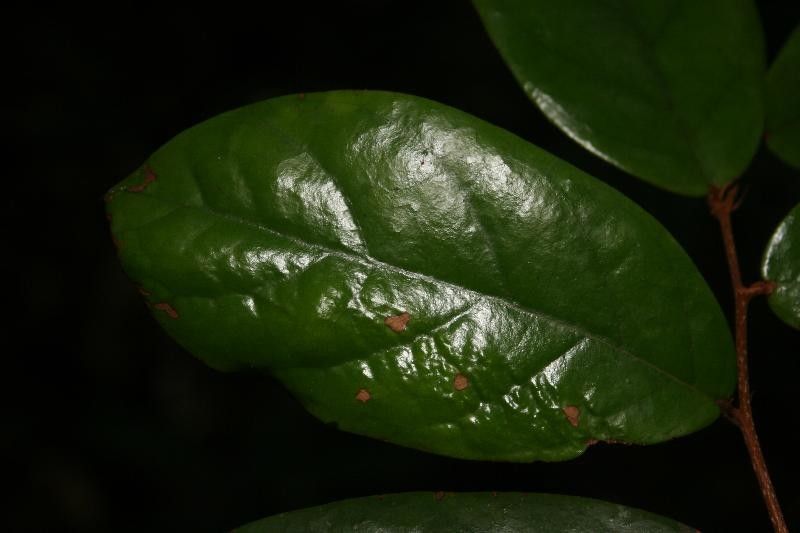
Cracking the Code: Propagating the Enigmatic Licania Ovalifolia
The Licania Ovalifolia, also known as the “Goiaba-brava” or “Oiticica,” is a striking tree native to South America, prized for its ornamental beauty and valuable timber. However, this intriguing species remains relatively uncommon in cultivation, partly due to the perceived difficulties in propagation.
While propagating the Licania Ovalifolia isn’t as straightforward as tossing some seeds in the ground, it’s by no means impossible. With a bit of patience and the right knowledge, even novice gardeners can successfully raise these majestic trees from scratch.
This guide delves into the two primary methods of Licania Ovalifolia propagation:
1. Seed Propagation: A Test of Patience
Seed propagation, while rewarding, is a slow and meticulous process for this species. Here’s a breakdown:
- Seed Collection and Preparation: Collect mature fruits directly from the tree, preferably those that have fallen naturally. Extract the seeds from the fleshy pulp and rinse them thoroughly. Due to their hard seed coat, Licania Ovalifolia seeds benefit from scarification to improve germination rates. Lightly nick or sand the seed coat, being careful not to damage the embryo inside.
- Sowing: Plant the scarified seeds in a well-draining seed-starting mix, about an inch deep. Keep the soil consistently moist but not waterlogged.
- Patience is Key: Germination can be erratic, taking anywhere from a few weeks to several months. Placing the pots in a warm, bright location with indirect sunlight will facilitate the process.
2. Cutting Propagation: A Faster Route to Success
Propagating Licania Ovalifolia from cuttings offers a quicker and often more successful alternative to seeds. Here’s how:
- Timing is Crucial: Take semi-hardwood cuttings in late spring or early summer when the plant is actively growing.
- Choosing the Right Cuttings: Select healthy, vigorous stems from the current year’s growth. Ideally, each cutting should be around 4-6 inches long and have at least two nodes.
- Preparing the Cuttings: Remove the leaves from the lower half of the cutting and wound the base slightly to expose the cambium layer. Dip the wounded end in rooting hormone to encourage faster root development.
- Planting and Care: Plant the prepared cuttings in a well-draining rooting medium, ensuring at least one node is buried. Maintain humidity around the cuttings by covering the pot with a plastic bag or using a propagation dome. Place the cuttings in a warm, bright location out of direct sunlight.
- Transplanting: Roots should develop within 6-8 weeks. Once the roots are established, carefully transplant the cuttings into individual pots filled with a well-draining potting mix.
Additional Tips for Success:
- Soil and Drainage: Licania Ovalifolia thrives in well-drained soil. A mix of peat moss, perlite, and sand provides an ideal growing medium.
- Light: While seedlings tolerate some shade, cuttings prefer bright, indirect light for optimal root development.
- Water: Water regularly, allowing the soil to dry slightly between waterings. Avoid overwatering, as it can lead to root rot.
- Fertilizer: Once established, fertilize your Licania Ovalifolia every few months during the growing season with a balanced fertilizer.
Propagating the Licania Ovalifolia might require a little extra effort, but the reward of cultivating this unique and magnificent tree is well worth it. With patience and the right techniques, you can bring the beauty of the “Goiaba-brava” into your own backyard.