
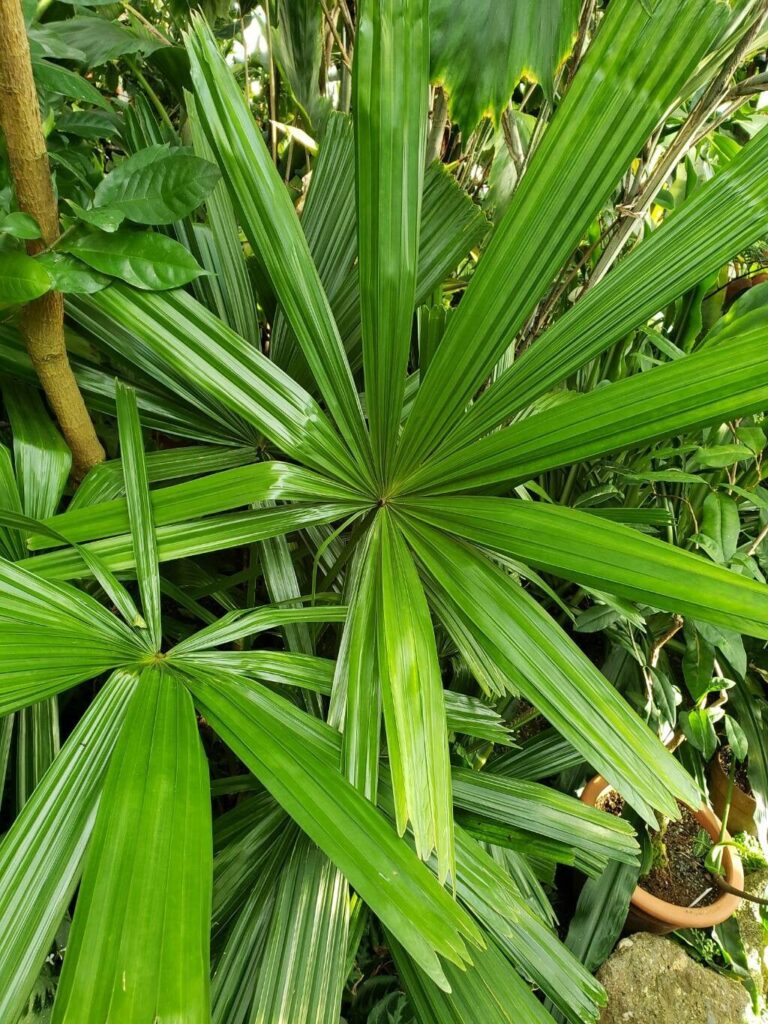
Unfurling the Secrets: Propagating the Majestic Licuala Ramsayi Palm
The Licuala ramsayi, with its spectacular crown of pleated, fan-shaped leaves, is a rainforest gem coveted by plant enthusiasts. Native to the rainforests of Queensland, Australia, this majestic palm can bring a touch of the tropics to your home, but getting your hands on one can be tricky. While readily available specimens are often mature and expensive, propagating your own Licuala ramsayi, though considered a challenge, is incredibly rewarding.
This comprehensive guide will delve into the art of propagating Licuala ramsayi, empowering you to expand your plant family with this iconic species.
Two Main Approaches: Seed vs. Offsets
There are two primary methods for propagating Licuala ramsayi:
1. Seed Propagation (The Patient Gardener’s Choice): This method, while more time-consuming, allows you to experience the entire life cycle of your palm.
- Sourcing Seeds: Fresh seeds offer the highest germination rates. Connect with reputable online sellers specializing in tropical palm seeds for the best chance of success.
- Seed Preparation and Sowing: Soak the seeds in lukewarm water for 24-48 hours to enhance germination. Sow them in a well-draining seed-starting mix, ensuring the slightly pointed end faces up.
- Optimal Conditions and Patience: Maintaining humidity and warmth is crucial. Consider using a propagator or covering the seed tray with a clear plastic dome. Be patient; germination can take anywhere from a few months to a year.
2. Offsets Propagation (The Quicker Route): Licuala ramsayi occasionally produce offsets, or “pups,” at the base of the mother plant.
- Identifying Viable Offsets: Look for pups with developed root systems of their own for the highest chance of successful propagation.
- Careful Separation: Gently unearth the area around the offset and carefully detach it from the mother plant using a clean, sharp knife. Ensure each offset retains a portion of its root system.
- Potting and Care: Plant the separated offset in a well-draining potting mix and provide consistent moisture. Keep the newly potted offset in a humid, warm environment, away from direct sunlight.
Nurturing Your New Palms
- Well-Draining Soil: Use a soil mix specifically designed for palms or create your own using a blend of peat moss, perlite, and sand (1:1:1 ratio).
- Light Requirements: While young, Licuala ramsayi prefers bright, indirect light. Gradually acclimate them to higher light conditions as they mature, but avoid direct sunlight, which can scorch their leaves.
- Watering Needs: Keep the soil consistently moist but not soggy. Overwatering can lead to root rot. Allow the top inch of soil to dry out between waterings.
- Humidity and Temperature: Aim for high humidity levels (60% or higher). Consider using a humidifier or placing the pot on a tray filled with pebbles and water. Maintain temperatures between 70-85°F (21-29°C).
- Fertilization: Feed your palm regularly during the growing season (spring and summer) with a balanced, diluted liquid fertilizer.
Propagating your own Licuala ramsayi requires patience and dedication, but the reward of witnessing these magnificent palms flourish under your care is immeasurable. By understanding their needs and employing the techniques outlined in this guide, you can successfully propagate and nurture these botanical treasures, enriching your home with their unique tropical elegance.