
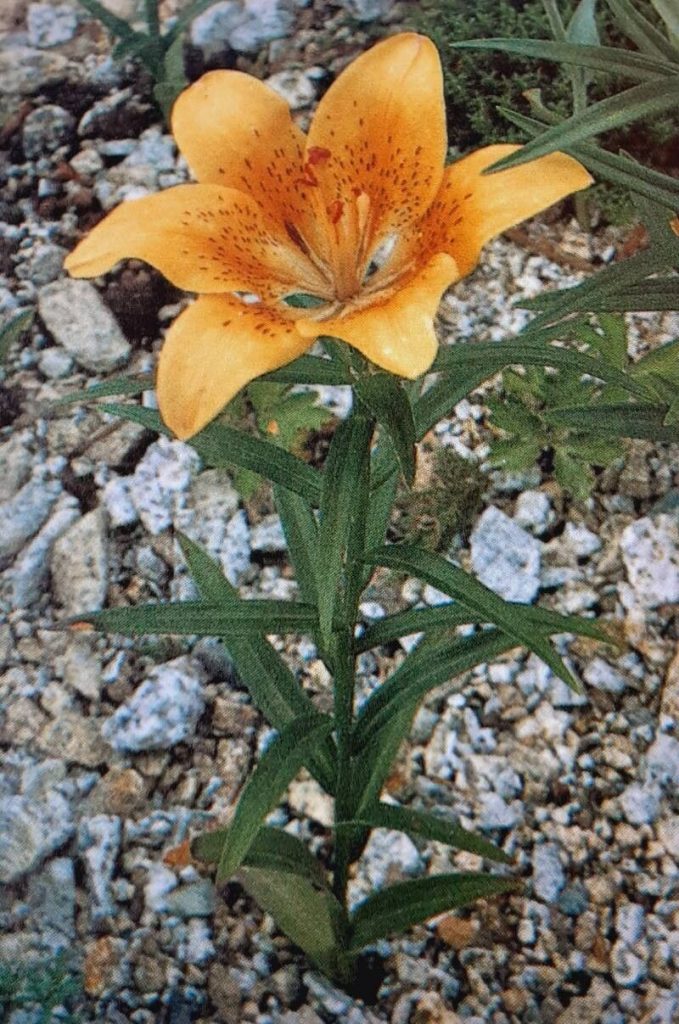
Propagating the Wild Yellow Lily: Lilium pensylvanicum
Lilium pensylvanicum, commonly known as the Wild Yellow Lily or Pennsylvania Lily, is a striking native North American beauty. Its vibrant yellow, sometimes orange-tinged, flowers boast recurved tepals adorned with dark brown spots, making it a highly sought-after addition to gardens. The plant’s relative ease of cultivation (once established) contrasts with the difficulties in propagation, adding to its allure for dedicated gardeners. While its captivating blooms are relatively easy to enjoy once mature, producing more specimens from existing stock requires careful consideration of various propagation techniques.
Seed Germination:
Seed germination for Lilium pensylvanicum is possible, but presents significant challenges. The seeds demonstrate a degree of dormancy, requiring a period of cold stratification before successful germination. This process mimics the natural conditions the seeds would experience over winter before sprouting in spring.
Challenges: Germination rates are often low and inconsistent, and seedlings are vulnerable to damping-off diseases. The long juvenile period before flowering (several years) can also deter some growers.
Practical Tips: Collect seeds as soon as the seed pods turn brown but before they fully split open. Stratify the seeds by mixing them with moist vermiculite or peat moss and storing them in a refrigerator at approximately 4°C (39°F) for 8-12 weeks. Sow the stratified seeds in a well-draining seed-starting mix, keeping them consistently moist but not waterlogged. Use a controlled environment with good ventilation to minimize fungal diseases. Maintain consistently moist but well-drained conditions.
Rewards: Successful seed propagation offers the significant advantage of genetic diversity, leading to a wider range of plant characteristics. It’s also potentially the most cost-effective method for large-scale propagation if the challenges are overcome with diligent technique.
Cuttings:
Currently, there are no known reliable methods for propagation of Lilium pensylvanicum via cuttings. Stem, leaf, or root cuttings have not shown consistent success in producing viable plants.
Division:
Division is the most straightforward and successful method for propagating Lilium pensylvanicum. It involves carefully separating mature bulbs into smaller sections, each containing a portion of the rhizome and at least one viable bud.
Challenges: Care must be taken to avoid damaging the bulbs during the division process. Over-division can weaken the mother plant and its offspring. Proper timing is also crucial.
Practical Tips: The best time to divide Lilium pensylvanicum is during the dormant period, typically late summer or early autumn after flowering. Gently dig up the clump and carefully separate bulbs using a sharp, clean tool. Make sure each new section has healthy roots and at least one growing bud. Plant the divisions at the same depth as the original plant.
Rewards: Division provides a relatively quick and reliable way to increase the number of plants. The resulting plants are genetically identical to the parent plant, ensuring consistency in flower color and form.
Tissue Culture:
Tissue culture is a technically demanding but highly effective method for large-scale propagation of Lilium pensylvanicum. It involves growing plants from small pieces of plant tissue in a sterile nutrient medium.
Challenges: Tissue culture requires specialized equipment, a sterile working environment, and experience in aseptic techniques. It can be expensive and time-consuming.
Practical Tips: This process is best left to nurseries or experienced propagators with access to the necessary facilities and expertise.
Rewards: Tissue culture offers a means for producing a very large number of clones rapidly and with high consistency. It also offers a way to eliminate pathogen contamination.
Conclusion:
Propagating Lilium pensylvanicum presents unique challenges depending on the chosen method. While seed germination and tissue culture offer potential benefits, division remains the most accessible and reliable technique for the home gardener. The rewards, however, are worth the effort. Successfully cultivating this exquisite native lily, whether from seed, division, or tissue culture, offers a profound sense of accomplishment and adds a special touch of wild beauty to any garden. Remember, patience, meticulous care, and attention to detail are key to success with this stunning species. The journey of propagating Lilium pensylvanicum showcases the interplay between nature’s tenacity and the gardener’s dedication.