
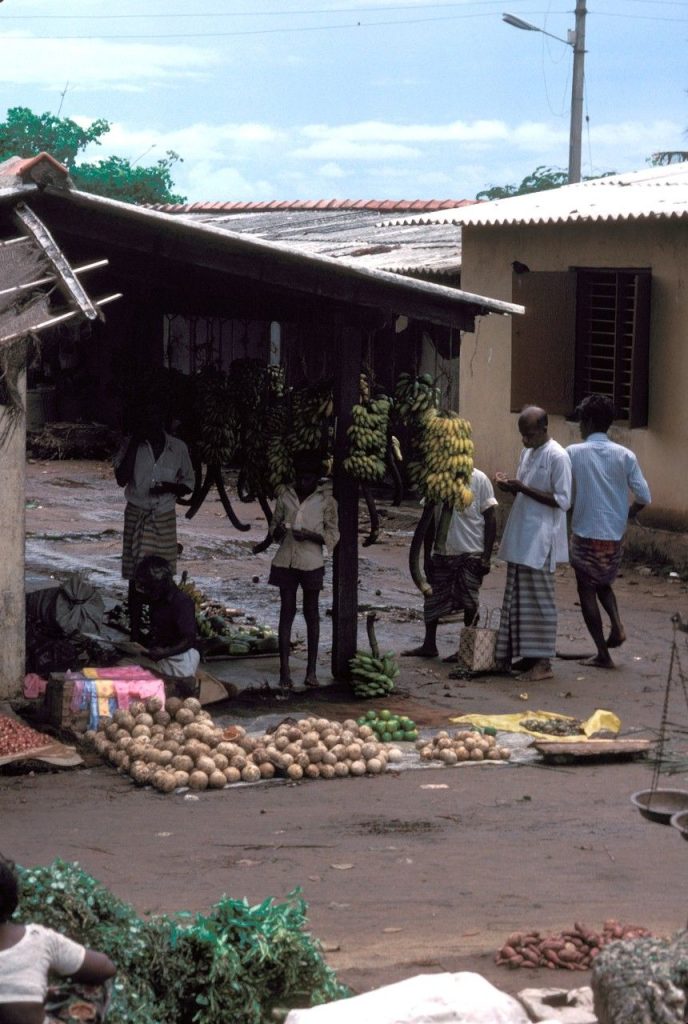
Propagating Wood Apple (Limonia acidissima): A Gardener’s Guide
Introduction:
Limonia acidissima, commonly known as the wood apple, is a tropical fruit tree prized for its uniquely flavored, hard-shelled fruit. Its rough, woody exterior belies a sweet and tangy pulp often used in culinary and medicinal applications. The tree itself is aesthetically pleasing, boasting a dense, spreading canopy and fragrant flowers. While relatively easy to maintain once established, propagating wood apple can present certain challenges, making successful cultivation all the more rewarding for dedicated gardeners. Its relative scarcity in some regions also contributes to the interest in its propagation.
Seed Germination:
Seed germination for Limonia acidissima is viable, but success is not guaranteed and can be inconsistent.
Challenges: Wood apple seeds have a hard seed coat that inhibits water uptake, leading to slow or uneven germination. Dormancy is also a factor, delaying germination even after proper preparation.
Practical Tips: Scarification (carefully nicking the seed coat) or soaking the seeds in warm water for 24-48 hours before sowing can improve germination rates. Sow seeds in well-draining, fertile soil at a depth of about 1cm, maintaining consistently moist but not waterlogged conditions. A warm temperature (around 25-30°C) is beneficial. Germination can take several weeks or even months.
Rewards: Seed propagation offers the advantage of genetic diversity, resulting in a wider range of plant characteristics. This method is also potentially suitable for large-scale propagation, provided germination rates are optimized.
Cuttings:
Currently, there are no known reliable methods for vegetative propagation of Limonia acidissima using cuttings. While attempts have been made, the success rate remains extremely low due to the difficulty in rooting the woody stems.
Division:
Division is not a feasible propagation method for Limonia acidissima. The tree’s taproot system makes it impossible to successfully divide the plant without causing significant damage and likely killing it.
Tissue Culture:
Tissue culture offers a potential avenue for large-scale propagation of Limonia acidissima, bypassing many of the challenges associated with seed germination and cuttings.
Challenges: Establishing a successful tissue culture protocol for Limonia acidissima requires specialized expertise, equipment, and aseptic techniques. Optimizing media composition and growth regulators is crucial for achieving high multiplication rates and healthy plantlets.
Practical Tips: This method is best left to experienced tissue culture laboratories with expertise in woody plants.
Rewards: Tissue culture allows for rapid multiplication of superior genotypes and disease-free plants. It offers the potential for large-scale propagation to meet the growing demand for this unique fruit tree.
Conclusion:
Propagating Limonia acidissima presents diverse challenges depending on the method employed. While seed germination is possible, but inconsistent, cuttings and division are largely unsuitable. Tissue culture demonstrates great promise but demands specialized resources. The rewards, however, are significant: the opportunity to cultivate this fascinating tree, enjoy its delicious fruit, and contribute to its wider availability. The unique satisfaction derived from successfully propagating a plant known for its propagation difficulties is a testament to the gardener’s dedication and skill. Aspiring propagators are encouraged to start with seed germination, using the tips mentioned above, and consider exploring tissue culture if large-scale propagation is desired. Remember patience and persistence are key to success in cultivating this rewarding tree.