
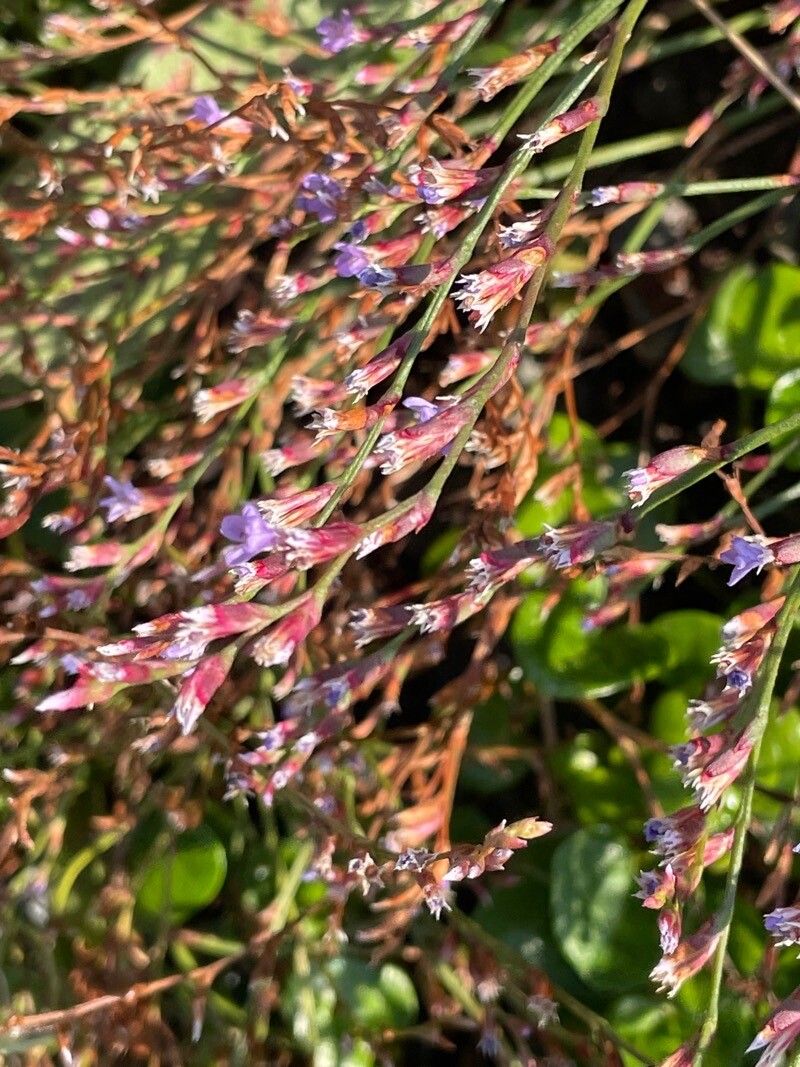
Taming the Sea Lavender: Propagating Limonium carolinianum at Home
Limonium carolinianum, also known as Carolina sea lavender or marsh rosemary, is a captivating perennial with delicate purple blooms that resemble puffs of lavender smoke. This salt-tolerant beauty thrives in coastal regions and brings a touch of seaside charm to any garden. While readily available at nurseries, propagating your own Limonium carolinianum can be a rewarding experience. Let’s explore the two most effective methods:
1. Seed Starting for a Sea of Lavender:
For those who enjoy the journey from tiny seed to blooming plant, propagating Limonium carolinianum from seed is a fulfilling endeavor.
Here’s how:
- Timing is Key: The ideal time to sow seeds indoors is late winter or early spring (February-March). This gives the seedlings a head start before the warmer weather arrives.
- Sowing the Seeds: Use seed starting trays filled with a well-draining seed starting mix. Sprinkle a few seeds per cell and lightly press them onto the surface. They need light to germinate, so don’t bury them.
- Moisture and Warmth: Keep the seed starting mix consistently moist but not waterlogged. A humidity dome or a clear plastic wrap over the tray can help maintain moisture. Aim for a temperature around 70-75°F (21-24°C).
- First Signs of Life: Germination takes approximately 14-21 days. Once the seedlings have a few sets of true leaves, thin them out, leaving the strongest one in each cell.
- Hardening Off: Before transplanting outdoors, harden the seedlings off gradually. This process introduces them to outdoor conditions like sunlight and wind. Start with an hour of outdoor time and increase it gradually over a week or two.
- Transplanting to their Forever Home: Once nighttime temperatures consistently stay above 50°F (10°C) and the last frost has passed, transplant the seedlings to their final location in the garden. Choose a sunny spot with well-drained soil.
2. Division: Multiplying Your Lavender Bounty
Division is an excellent method for established Limonium carolinianum plants, offering a quicker path to new additions for your garden.
Follow these steps:
- When to Divide: Early spring or late fall are the best times to divide Limonium carolinianum, as this coincides with the plant’s dormant period.
- Digging Up the Plant: Carefully dig up the entire plant you wish to divide. Ensure you dig a wide circle around the plant to avoid damaging the roots.
- Separating the Crowns: Shake off excess soil and gently tease apart the crown of the plant, separating it into smaller sections. Each section should have healthy roots and several shoots.
- Replanting: Replant the divided sections immediately into the desired locations in your garden, ensuring they receive adequate spacing (12-18 inches apart). Water them thoroughly to help them establish themselves.
Tips for Success:
- Well-Drained Soil is Crucial: Limonium carolinianum thrives in soils that drain well. Sandy or loamy soils are ideal. Amend clay soil with compost or other organic matter to improve drainage.
- Sunshine is Their Friend: These sun-loving plants thrive in full sun, requiring at least 6 hours of direct sunlight daily.
- Salty Air, No Problem: Being naturally salt-tolerant, Limonium carolinianum is a perfect choice for coastal gardens.
- Deer and Rabbits Beware: This beautiful plant is generally deer and rabbit resistant, adding to its appeal for gardeners facing these garden visitors.
Whether you choose to start from seed or try your hand at division, propagating Limonium carolinianum is a rewarding experience that allows you to expand your garden with this mesmerizing seaside beauty. With a little patience and care, you’ll have a garden filled with delicate lavender plumes swaying gracefully in the breeze.