
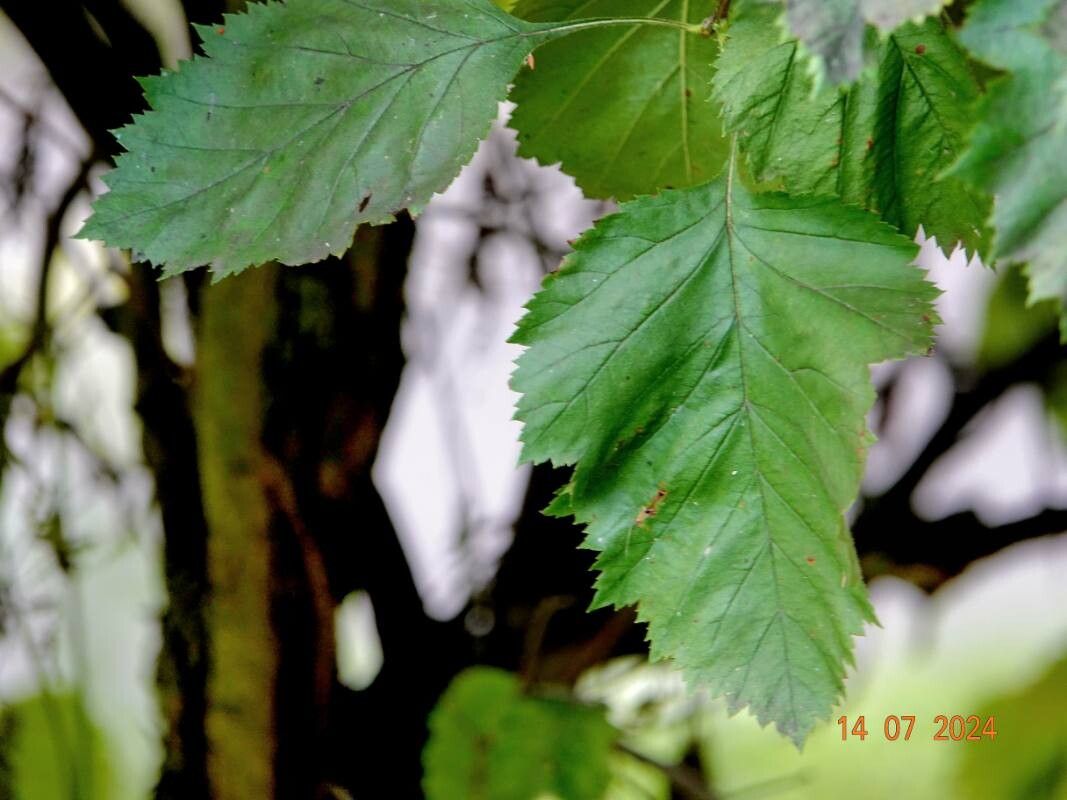
Taming the Wild Beauty: Propagating the Majestic Karpatiosorbus latifolia
The Karpatiosorbus latifolia, also known as the Broad-leaved Whitebeam, is not a name that rolls off the tongue easily. However, one glimpse of this majestic tree, with its vibrant autumn foliage and abundant clusters of scarlet berries, is enough to make any gardener yearn to welcome it into their landscape. But taming this wild beauty isn’t as simple as buying a sapling from the local nursery. Karpatiosorbus latifolia is rare in cultivation, and finding one can be a real treasure hunt.
Fear not, intrepid gardeners, for where conventional methods fail, propagation comes to the rescue! Let’s delve into the fascinating world of propagating Karpatiosorbus latifolia and discover how you can cultivate this remarkable tree yourself.
Seeds: A Test of Patience and Skill
The most common method for propagating Karpatiosorbus latifolia is through seeds. However, be warned, this method requires patience, as successful germination can be tricky. Here’s a breakdown of the process:
- Seed Collection and Preparation: Harvest ripe berries in autumn and carefully extract the seeds. Clean off any remaining fruit pulp, as it can inhibit germination.
- Stratification: A Winter’s Chill: Karpatiosorbus latifolia seeds require a period of cold stratification to break dormancy. Mix the seeds with moist sand or vermiculite and store them in a refrigerator (around 4°C) for 2-3 months.
- Sowing Time: In spring, sow the stratified seeds in a well-draining seed-starting mix, barely covering them with soil.
- Patience is Key: Germination can be erratic, with some seeds sprouting within weeks while others take several months.
Taking Cuttings: A Quicker Path to Success?
Propagating from cuttings offers a faster alternative, though success rates can vary:
- Timing is Everything: Take semi-hardwood cuttings in late summer. Choose healthy, non-flowering shoots with a heel of older wood.
- Prepare the Cuttings: Remove the lower leaves and wound the base of the cutting slightly to expose the cambium layer.
- Potting Mix Power: Dip the cut end in rooting hormone and plant the cuttings in a well-draining mix of peat moss and perlite.
- Humidity is Key: Cover the cuttings with a plastic bag or humidity dome to maintain a moist environment.
- Root Development: With proper care, cuttings should root within 6-8 weeks.
Grafting: For the Experienced Propagator
Grafting, while more complex, offers the most reliable method for propagating specific cultivars and achieving desired characteristics. It involves joining a scion (a cutting from the desired cultivar) onto a compatible rootstock.
Nurturing Your Young Trees
Regardless of the method you choose, young Karpatiosorbus latifolia trees require consistent care. Provide them with well-draining soil, plenty of sunlight, and regular watering, especially during dry periods.
Bringing the exquisite Karpatiosorbus latifolia into your garden requires patience and dedication. But with the right approach and a touch of green-thumb magic, you can successfully propagate this rare beauty and enjoy its magnificent presence for years to come.