
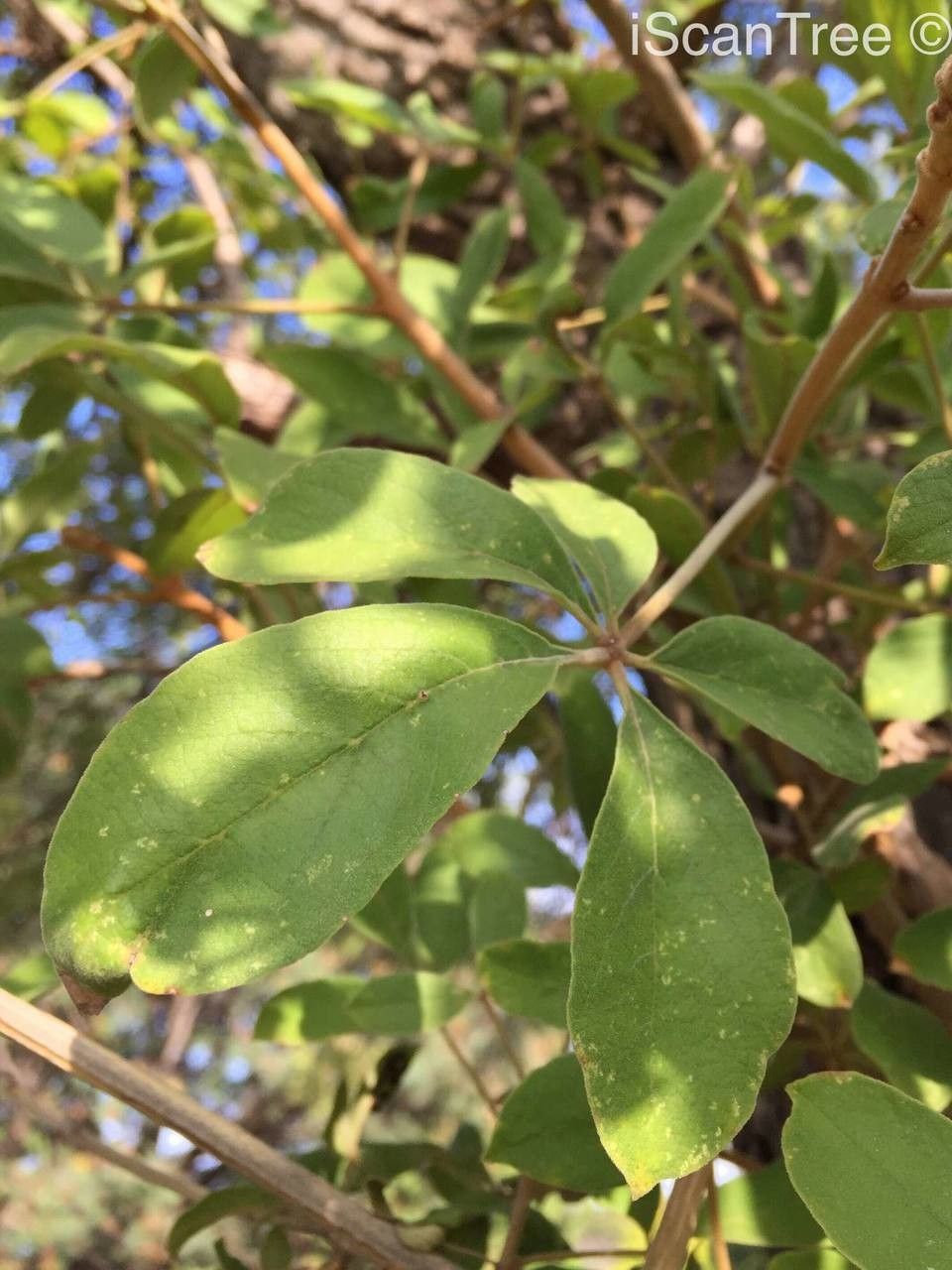
Unlocking the Secrets of Vitex Propagation: Grow Your Own Chaste Tree Paradise
The Vitex, or Chaste Tree (Vitex agnus-castus – there doesn’t appear to be a recognized plant named “Vitex pooara”), is a beautiful and beneficial addition to any garden. With its stunning lavender blooms, delicate fragrance, and purported medicinal properties, it’s no wonder gardeners are eager to propagate this versatile plant. Fortunately, growing new Vitex plants is achievable for even novice gardeners. Let’s explore the various methods of Vitex propagation, empowering you to expand your garden with this enchanting tree.
1. Growing Vitex from Seed: A Test of Patience
Propagating Vitex from seed is an exciting (and economical) method, but be warned, it requires patience. Here’s how to do it:
- Collecting Seeds: Harvest ripe seeds from dried flower spikes in late fall. You’ll find tiny, dark brown seeds within the berry-like fruits.
- Seed Treatment: Vitex seeds benefit from a period of cold stratification to mimic natural conditions. Place the seeds in a moistened paper towel inside a sealed plastic bag and refrigerate for 6-8 weeks.
- Sowing: In spring, sow the stratified seeds in seed trays filled with a well-draining potting mix. Gently press the seeds onto the surface and cover them lightly with soil.
- Patience is Key: Germination can be erratic and take anywhere from a few weeks to a couple of months. Keep the soil consistently moist and provide warmth (around 70°F) for optimal germination.
2. Softwood Cuttings: A Quicker Path to Success
Taking softwood cuttings is a faster and more reliable method of Vitex propagation:
- Timing is Everything: Take cuttings in late spring or early summer when new growth is pliable yet firm.
- Taking the Cutting: Using clean, sharp pruning shears, cut a 4-6 inch section from the tip of a healthy, non-flowering branch. Remove the leaves from the bottom two inches.
- Encouraging Root Development: Dip the cut end in rooting hormone powder to stimulate root growth. Plant the cutting in a pot filled with a well-draining potting mix, burying at least two nodes below the soil line.
- Creating a Humid Environment: Cover the pot with a clear plastic bag or use a humidity dome to maintain moisture. Place the cutting in a warm, bright spot, out of direct sunlight.
- Rooting Time: In approximately 4-6 weeks, the cutting should develop roots. Gently tug on the cutting to check for resistance, indicating root development. Once rooted, transplant the cutting into a larger pot or your garden.
3. Hardwood Cuttings: A Winter Propagation Option
Similar to softwood cuttings, hardwood cuttings offer another viable propagation method:
- Timing: Take hardwood cuttings during the dormant season when the plant is not actively growing, typically in late fall or winter.
- Cutting Selection: Choose healthy, dormant branches that are about a year old. The ideal cutting length is 6-8 inches.
- Planting: Follow the same planting and care instructions as with softwood cuttings. However, be prepared for a longer rooting time, often several months.
Tips for Transplanting and Caring for New Vitex Plants
- Once your Vitex plants are established, either from seed or cuttings, choose a sunny location with well-draining soil for transplanting.
- Water regularly during the first growing season to help the roots establish.
- Vitex are relatively low-maintenance plants, but appreciate a light pruning in late winter or early spring to encourage a fuller, bushier growth habit.
Whether you decide to embark on the rewarding journey of growing Vitex from seed or prefer the quicker gratification of cuttings, you’ll be rewarded with these beautiful and beneficial plants for years to come. With a little effort and these simple techniques, your garden will be well on its way to becoming a fragrant, flowering oasis.