
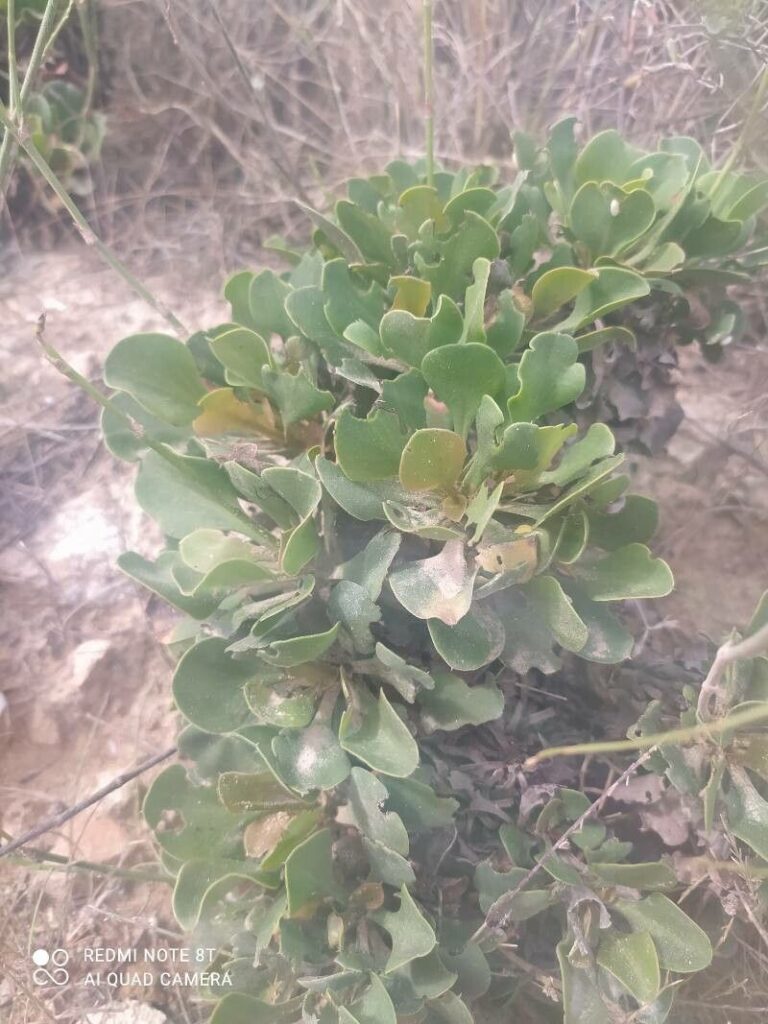
Unveiling the Secrets: How to Propagate the Stunning Sea Lavender (Limonium cossonianum)
Beloved for its airy clouds of tiny purple flowers and its ability to thrive in challenging conditions, Limonium cossonianum, commonly known as sea lavender, is a gardener’s delight. Whether you’re drawn to its ethereal beauty or its drought-tolerant nature, knowing how to propagate this gem allows you to expand your garden and share its charm.
While sea lavender might seem delicate, don’t let its appearance fool you – it’s surprisingly resilient and can be propagated in several ways.
Method 1: Seed Starting – Embracing the Cycle of Life
Starting sea lavender from seed is an adventure in patience and a celebration of new life. Here’s how:
- Timing is Key: Sow seeds indoors 6-8 weeks before the last expected frost.
- Sowing the Seeds: Use a well-draining seed starting mix and sprinkle the tiny seeds on the surface, pressing them in lightly.
- Light and Warmth: Sea lavender seeds need light to germinate. Place the tray in a bright window or under grow lights, maintaining a temperature around 70-75°F (21-24°C).
- Patience, Young Padawan: Germination can take anywhere from 2-4 weeks. Keep the soil consistently moist but not waterlogged.
- Transplanting Triumph: Once the seedlings develop a couple of true leaves, transplant them into individual pots.
- Hardening Off: Gradually acclimate the young plants to outdoor conditions before planting them in the garden after the last frost.
Method 2: Division – Multiplying Your Floral Bounty
For established plants, division is an effective way to create more sea lavender:
- Early Spring Action: Divide plants in early spring just as new growth emerges.
- Careful Excavation: Dig up the entire clump, being careful not to damage the roots.
- Division Tactics: Use a sharp knife or garden spade to divide the clump into smaller sections, ensuring each section has a healthy root system and several shoots.
- Replanting Success: Replant the divided sections at the same depth they were originally growing and water well.
Method 3: Cuttings – Sharing is Caring
Basal cuttings offer another avenue for propagation:
- Springtime Snipping: Take cuttings in spring from new growth at the base of the plant.
- Cutting Precision: Cuttings should be 3-4 inches long and taken just below a leaf node.
- Hormone Boost (Optional): Dip the cut end in rooting hormone to encourage root development.
- Planting the Cuttings: Insert the cuttings into a well-draining potting mix.
- Creating a Humid Environment: Cover the pot with a plastic bag or use a propagation dome to maintain humidity.
- Rooting Anticipation: Cuttings should root within 4-6 weeks.
Tips for Success:
- Well-Draining Soil: Sea lavender thrives in well-drained soil, whether in the ground or in containers.
- Sunlight Lovers: Plant your sea lavender in a location that receives at least 6 hours of direct sunlight per day.
- Water Wisely: While somewhat drought-tolerant once established, regular watering during the first growing season is crucial.
- Deadheading Dedication: Deadheading spent blooms encourages more flower production and maintains the plant’s aesthetic appeal.
Propagating Limonium cossonianum is a rewarding endeavor that allows you to expand your garden with these captivating beauties. Whether you choose to start from seed, divide established plants, or try your hand at cuttings, a little patience and care will reward you with an abundance of these exquisite flowers. So, embrace the joy of propagation and let the ethereal charm of sea lavender grace your garden for years to come.