
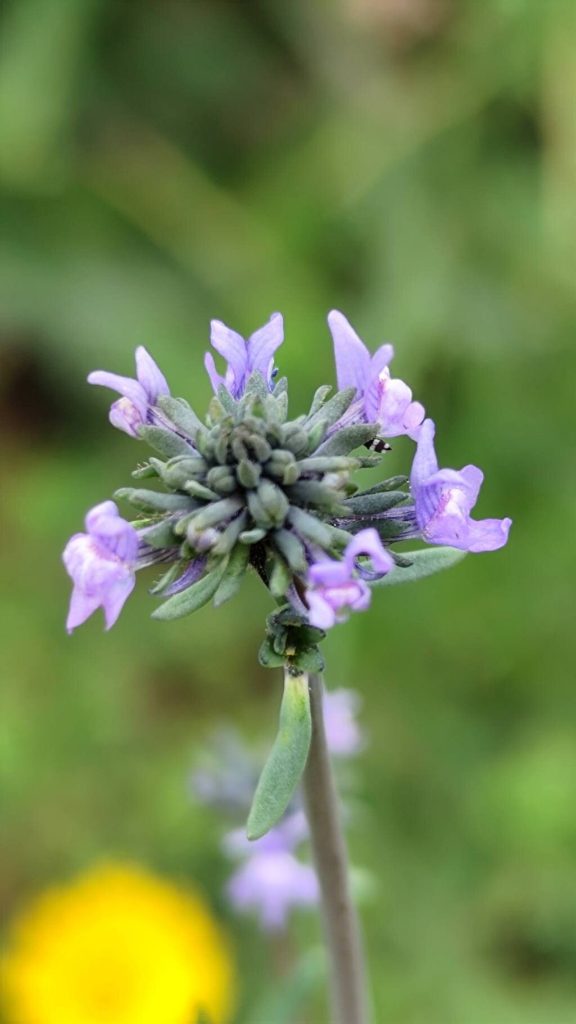
Propagating Linaria arvensis: A Guide to the Smallflower Toadflax
Linaria arvensis, commonly known as the smallflower toadflax, is a charming annual or short-lived perennial wildflower belonging to the Plantaginaceae family. Its delicate, pale yellow to whitish flowers, often with orange throats, are a delightful addition to wildflower meadows, rock gardens, or as a groundcover in well-drained areas. Its diminutive size and self-seeding nature contribute to its popularity among gardeners, but propagating it intentionally can present some unique challenges. This article explores various propagation methods for this charming wildflower.
Seed Germination:
Seed germination is a viable, albeit somewhat unpredictable, method for propagating Linaria arvensis. The primary challenge lies in the seed’s dormancy. While some seeds may germinate readily, many require stratification – a period of cold, moist treatment – to break this dormancy.
Challenges: Inconsistent germination rates are common. Seed viability can also be affected by storage conditions and seed age.
Practical Tips: For optimal germination, collect seeds when ripe and dry them thoroughly. Stratify seeds by mixing them with moist vermiculite or peat moss and storing them in a sealed bag in the refrigerator for 6-8 weeks. After stratification, sow seeds on the surface of well-drained seed-starting mix, barely covering them with fine soil. Keep moist but not waterlogged until germination, which may take several weeks.
Rewards: Seed propagation offers the greatest genetic diversity, allowing for a wider range of plant characteristics. It also permits large-scale propagation for establishing wildflower meadows or for commercial purposes.
Cuttings:
Currently, there are no known reliable methods for propagating Linaria arvensis via cuttings. The plant’s physiology doesn’t readily lend itself to this method.
Division:
Division is not a practical method for propagating Linaria arvensis. As a relatively small plant with a fibrous root system, dividing it is likely to damage the plant and reduce its chances of survival significantly.
Tissue Culture:
While potentially viable, tissue culture propagation of Linaria arvensis is not a readily accessible method for the home gardener. It requires specialized equipment, sterile conditions, and a considerable amount of horticultural expertise. The establishment of sterile cultures and the development of optimal growth media would require significant research and experimentation.
Conclusion:
Propagating Linaria arvensis presents unique challenges. While seed germination offers the most accessible route to propagation, it requires patience and understanding of seed dormancy. Other methods such as cuttings and division prove impractical. Tissue culture remains a specialized technique unlikely to be attempted by most home gardeners.
The rewards of successful Linaria arvensis propagation, however, are significant. Seeing these delicate flowers emerge from seed, especially after overcoming the challenges of germination, offers a profound sense of satisfaction. The delicate beauty then rewards you with its charm across your garden. For aspiring propagators, don’t be discouraged by the difficulties. Start small, experiment with seed stratification techniques, and enjoy the journey of cultivating this delightful wildflower. Remember careful observation and record-keeping of your techniques will greatly enhance your chances of success.